Quick verdict: The Tracksmith Eliot Ryder ($220) is the plushest, most comfortable trainer I’ve run in this year — a genuine “running on a cloud” shoe that hides 45mm of supercritical foam inside a silhouette that looks like a normal running shoe. Built around one of the largest drop-in midsoles in the sport, it’s a max-cushion daily trainer made for exactly one job better than any other: soaking up the long, repetitive miles of fall marathon training and leaving your legs intact. It’s not a speed shoe and it’s not cheap, but if you’re logging big mileage this season, it’s close to perfect.
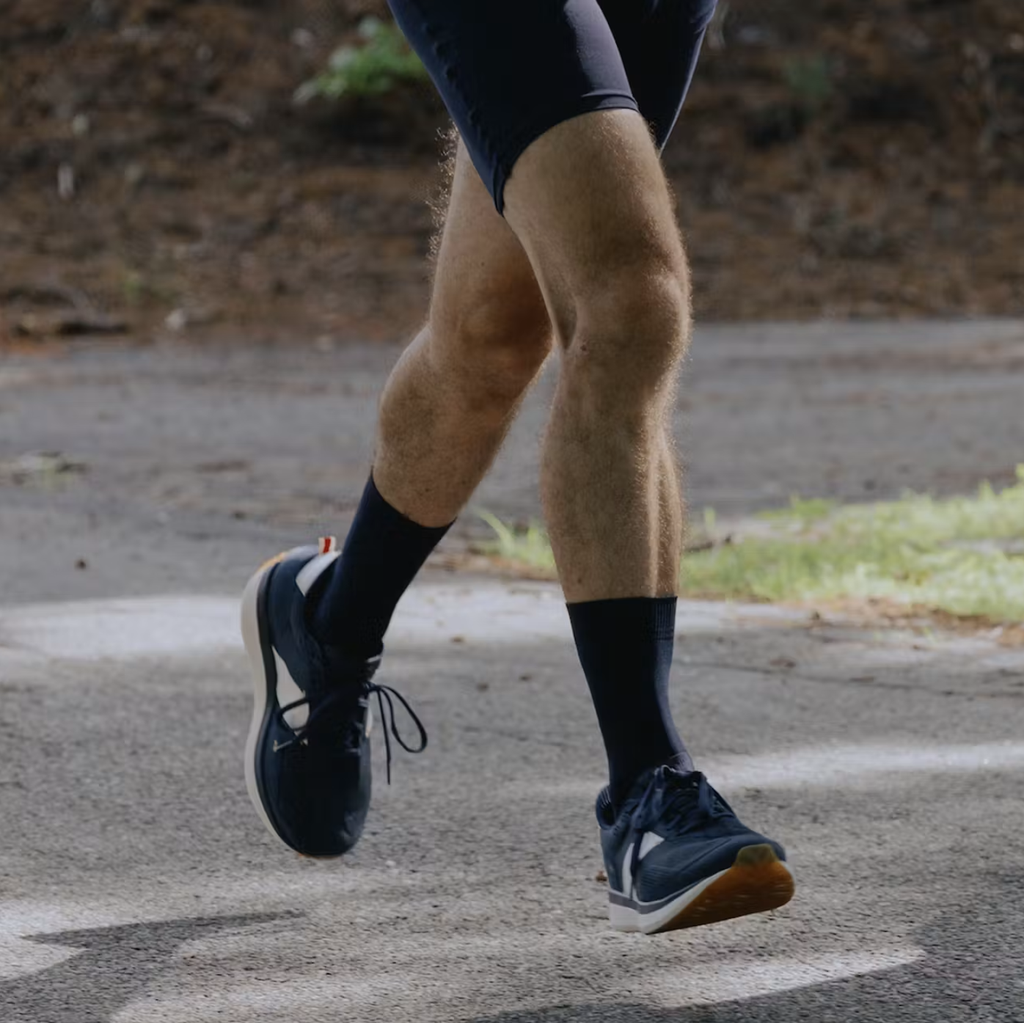
Marathon training in the fall is a grind of accumulation. The long runs get longer, the easy miles pile up, and the thing that eventually breaks down isn’t your fitness — it’s your legs, from the sheer volume of impact. The right trainer for this stretch of the year isn’t the fastest one. It’s the one that protects you run after run so you can show up and do it again tomorrow. That’s where the Eliot Ryder lives, and after a block of fall miles in it, it’s become my go-to for the long stuff.
What is the Tracksmith Eliot Ryder?
Tracksmith built its reputation on apparel, then on the Eliot footwear line — the Runner (daily trainer) and the carbon-plated Racer (race day). The Ryder is the newest piece and the brand’s first true max-cushion trainer. The essentials:
| Spec | Detail |
|---|---|
| Price | $220 |
| Weight | 9.5 oz (men’s 9 / women’s 11) |
| Stack height | 45mm heel / 37.5mm forefoot |
| Drop | 7mm |
| Midsole | 25mm supercritical ATPU drop-in (85% resiliency) + secondary foam midsole |
| Plate | None |
| Build | Rockered geometry, supercritical stabilizing chassis, woven upper, suede overlays, net-mesh rubber outsole |
| Best for | Easy long runs, recovery runs, daily training, all-day wear |
| Fit | True to size; snug heel/midfoot, roomier forefoot |
The signature move here is the drop-in midsole — instead of stacking all the foam under the shoe like a visible platform, Tracksmith tucks a 25mm slab of supercritical ATPU inside the shell, sitting right under your foot on top of a foam foundation. The result is a shoe with 45mm of cushion that doesn’t look or feel like you’re teetering on stilts.
The “running on a cloud” claim, examined
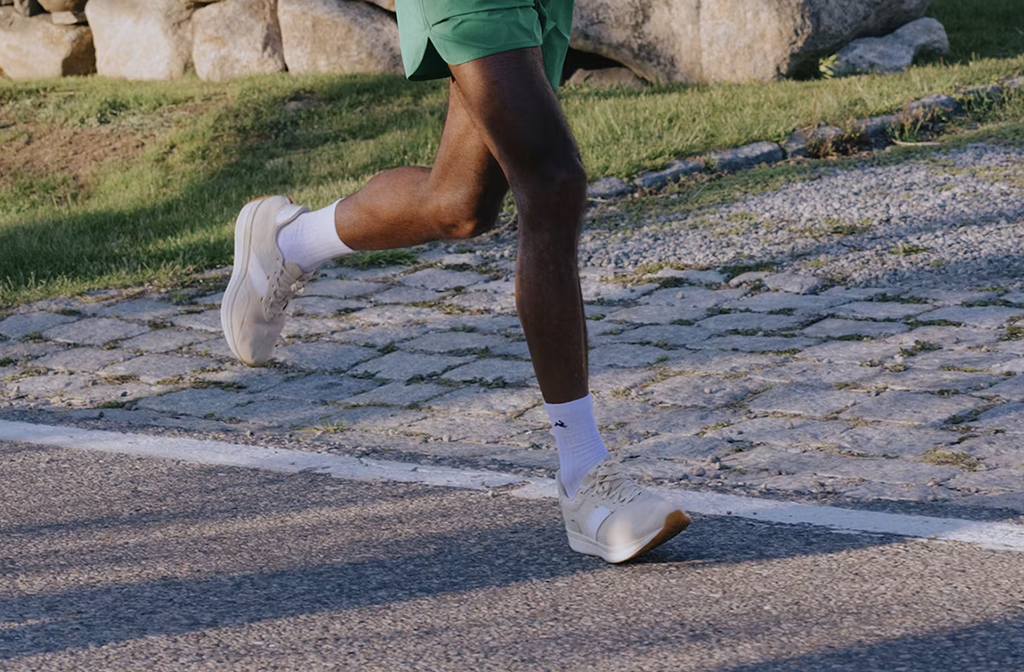
I’m usually skeptical of the cloud comparison because every cushioned shoe claims it. This one earns it, and it’s worth understanding why, because the feel is genuinely different from a typical pillowy max-cushion shoe.
The drop-in foam sits directly against your foot. Most of the plush cushioning lives above the chassis rather than below it, so the softness is the first thing you feel on every footstrike — a soft, immediate give that the reviews across the board describe as buttery and quiet. It’s a tender, enveloping ride rather than a bouncy, aggressive one.
It’s soft without feeling dead. That ATPU slab is rated around 85% resiliency, so it absorbs impact but gives energy back, which keeps the softness from turning into the flat, sinking mush that plagues a lot of max-cushion trainers deep into a long run.
The rocker keeps you moving. A smooth rockered geometry rolls you heel-to-toe so the big stack never feels clunky. The cloud feeling is real, but it’s a cloud that keeps rolling forward instead of swallowing your stride.
Fall marathon training: where it shines
This is the shoe’s purpose, and it’s where I’ve leaned on it.
It protects your legs on the long stuff. The whole point of 45mm of resilient foam is impact protection, and over 16, 18, 20-mile training runs, that protection is the difference between trashed legs and legs that can handle the next session. This is a bank-the-miles shoe, and it does that better than anything else in my current rotation.
It’s shockingly light for the cushion. At 9.5 oz it undercuts its max-cushion rivals meaningfully — the Hoka Bondi 9 is about 10.5 oz, Nike’s Vomero Premium north of 12 oz. That weight savings, plus the lower-feeling center of gravity from the drop-in design, makes the Ryder feel more nimble than a shoe with this much foam has any right to. You get the protection without the pillow-on-your-feet sluggishness.
The wider toe box earns its keep late in runs. Tracksmith widened the forefoot versus the original Eliot Runner, which gives your foot room to splay and swell on long efforts — a genuine comfort upgrade when you’re three hours in.
It handles double duty. Because it looks like a normal shoe rather than a foam monster, it’s equally at home as the thing you wear all day on your feet between runs. For recovery and general standing-around life during a heavy training block, that versatility matters.
Honest notes
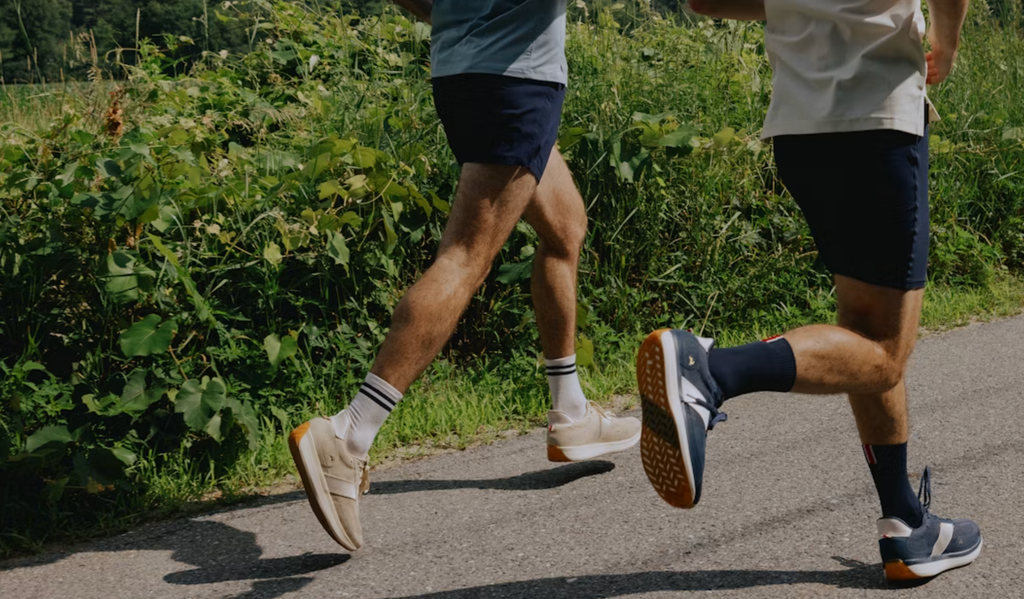
It’s a trainer, not a racer. No plate, 45mm of soft foam — this is built for comfort and protection, not speed. It’s superb for easy and long runs, but for tempo work, track sessions, or race day you’ll want something lighter and snappier (Tracksmith’s own carbon-plated Eliot Racer is the sibling built for that). Bring the Ryder for the volume, not the velocity.
Some runners will find it too soft. The flip side of that plush drop-in is that firmer-preference runners have found it a touch spongy and would want more ground feel. If you like a responsive, connected ride, demo before you commit.
Dial in the forefoot fit. It runs true to size with a snug heel and a roomier front. A couple of reviewers flagged forefoot fit issues on very long runs (the classic black-toenail problem), so get the lockdown and length right, especially if you’re using it for your longest efforts.
The price. $220 is premium, and the Eliot line generally offers a narrower size/width range than the big shoe brands. You’re paying partly for Tracksmith’s design and aesthetic — which, to be fair, is genuinely the best-looking shoe in the max-cushion category by a wide margin.
Who it’s for
- Buy it if: you’re logging long training miles (marathon blocks especially), you want maximum comfort and leg protection, you value a plush ride, and you want a cushioned shoe that doesn’t look like one.
- Skip it if: you want a fast/race shoe, you prefer a firm responsive ride, or you need a wide range of width options.
Tracksmith Eliot Ryder: the verdict
The best training shoe isn’t the one that makes you fast — it’s the one that keeps you running day after day through a hard block. For fall marathon training, the Eliot Ryder does exactly that: it turns the long, punishing miles into something your legs can actually absorb, and it does it with a soft, rolling, cloud-like ride that genuinely lives up to the cliché. It’s light for the category, it’s beautifully made, and it looks as good off the run as on it.
At $220 it’s an investment, and it’s a specialist — bring it for the volume and leave the speed to another shoe. But for the job it’s built for, banking comfortable miles, it’s the most enjoyable trainer I’ve laced up this season. It’s the one I now reach for on long-run day without thinking about it.
FAQ
Is the Tracksmith Eliot Ryder good for marathon training? Yes — it’s arguably its ideal use. The 45mm of resilient supercritical foam protects your legs across long, high-volume training runs, while a relatively light 9.5 oz weight keeps it from feeling sluggish. It’s a long-run and daily-mileage shoe rather than a race-day shoe.
Does the Eliot Ryder have a carbon plate? No. It’s an unplated max-cushion trainer built for comfort and protection. For a plated race shoe, Tracksmith offers the Eliot Racer.
How much cushion does it have? 45mm at the heel and 37.5mm at the forefoot (7mm drop), including a 25mm supercritical ATPU drop-in midsole — one of the largest drop-in setups in running.
How much does the Tracksmith Eliot Ryder weigh? About 9.5 oz in a men’s size 9 (women’s 11), which is light for a max-cushion shoe — lighter than the Hoka Bondi 9 and considerably lighter than the Nike Vomero Premium.
Is it true to size? Generally yes, with a snug heel and midfoot and a slightly roomier forefoot. Narrow-footed runners may find it spacious; dial in the fit before long efforts.
How much does it cost? $220 at tracksmith.com.
Is it good for everyday wear? Yes. Because the cushioning is hidden in a sleek profile, it works well as an all-day comfort shoe in addition to a trainer — handy during a heavy training block.