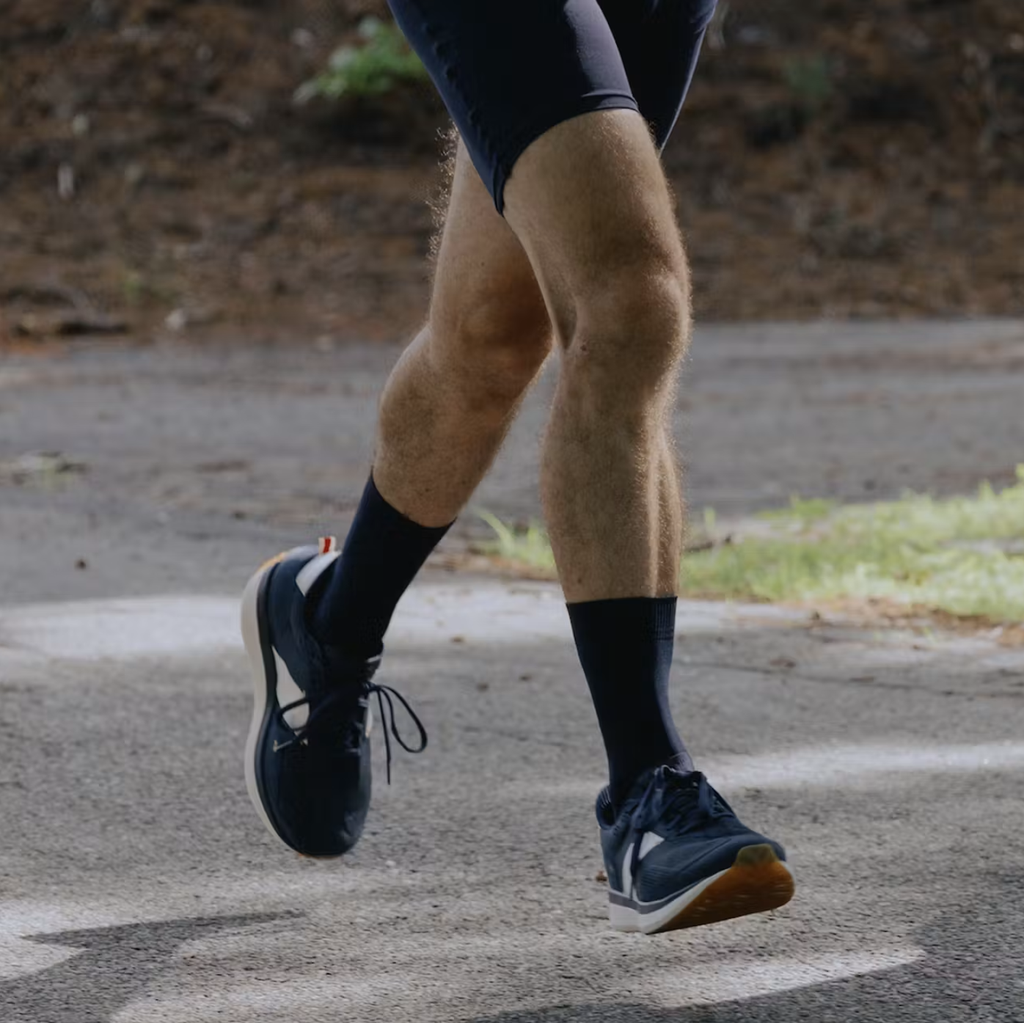
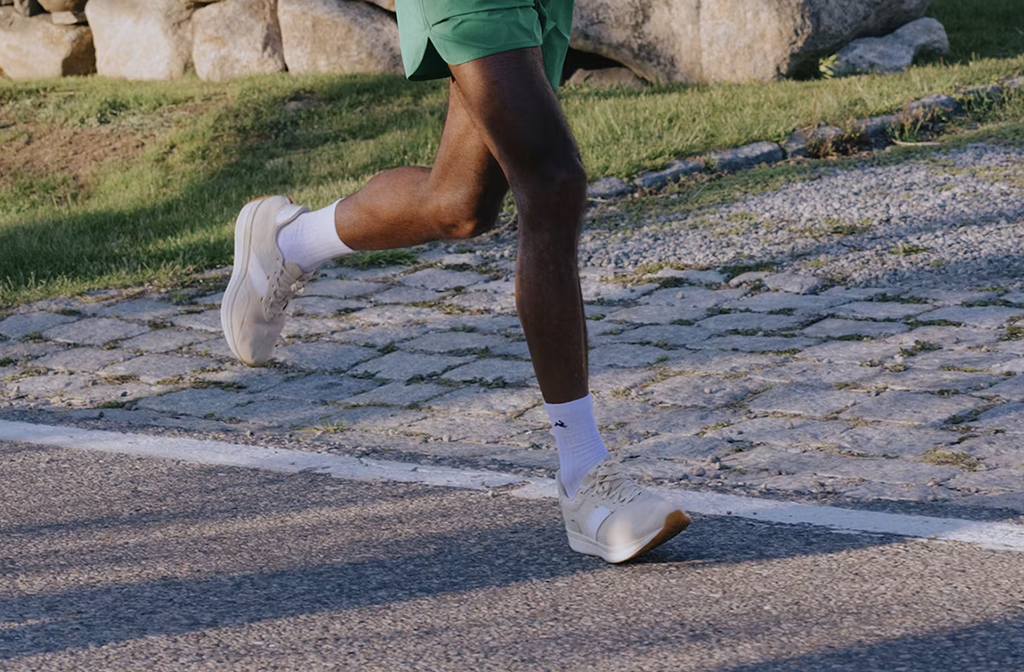
KÜHL FREEFLEX Pant Review: The One Pant That Does the Trail, the Office, and Date Night

Quick verdict: The KÜHL FREEFLEX Pant 2.0 is the closest thing I’ve found to a true one-pant wardrobe — a lightweight, mechanical-stretch softshell that’s genuinely built for hiking and camping but looks clean enough to wear to the office and sharp enough for date night. The tapered fit and pull-on drawcord waistband make it comfortable enough to live in, UPF 50+ and quick-drying handle the trail, and it’s roomy enough to layer merino underneath when the season turns cold. It’s the pant I keep reaching for no matter what the day holds. If you want to pack one pair of pants for a trip that includes a hike and a nice dinner, this is it.

Most “versatile” pants are actually just hiking pants that someone claims you could wear to dinner, or dress pants someone claims you could hike in. Neither is true. The FREEFLEX is the rare pair that actually clears both bars — it genuinely performs on the trail, and it genuinely looks good off it. That’s a harder trick than it sounds, and it’s why these have taken over my rotation.

What is the KÜHL FREEFLEX Pant 2.0?

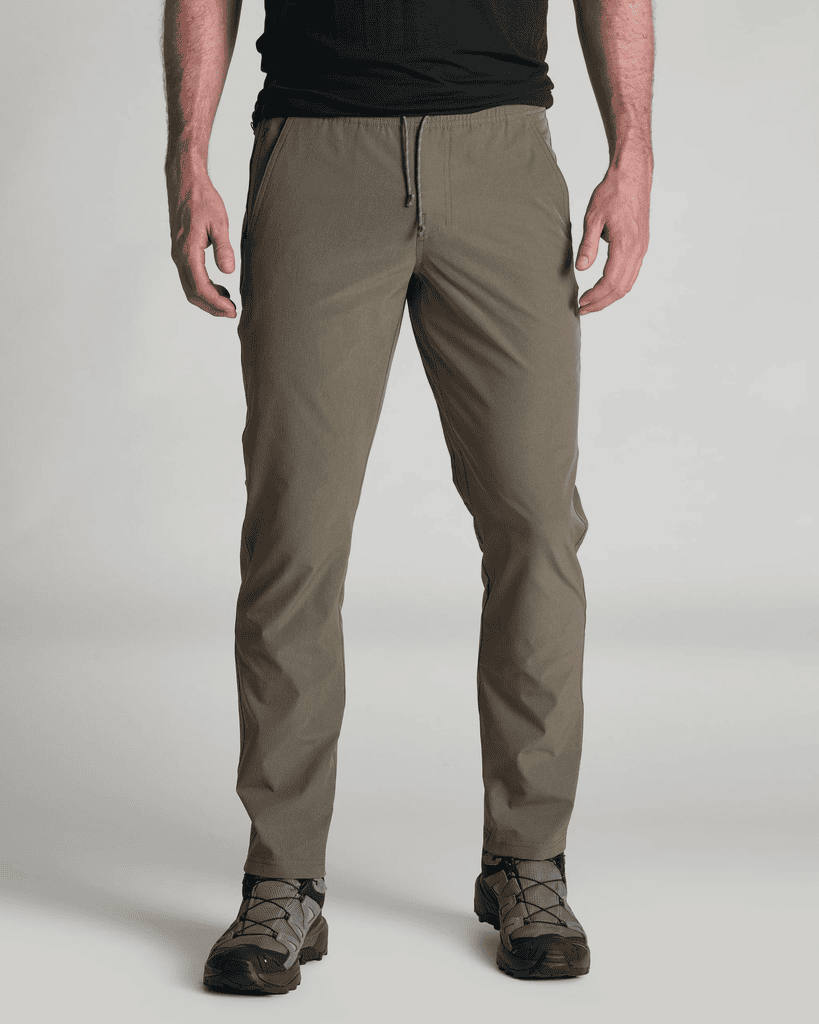
It’s KÜHL’s do-everything performance pant — softshell fabric with mechanical stretch, cut in a modern tapered silhouette. The essentials:

SpecDetail
FabricFREEFLEX performance-blend softshell (polyester), lightweight
StretchMechanical stretch for full range of motion
FitTapered — semi-fitted seat and thigh, narrowing knee to ankle
InseamsShort 29″ / Regular 31″ / Long 33″
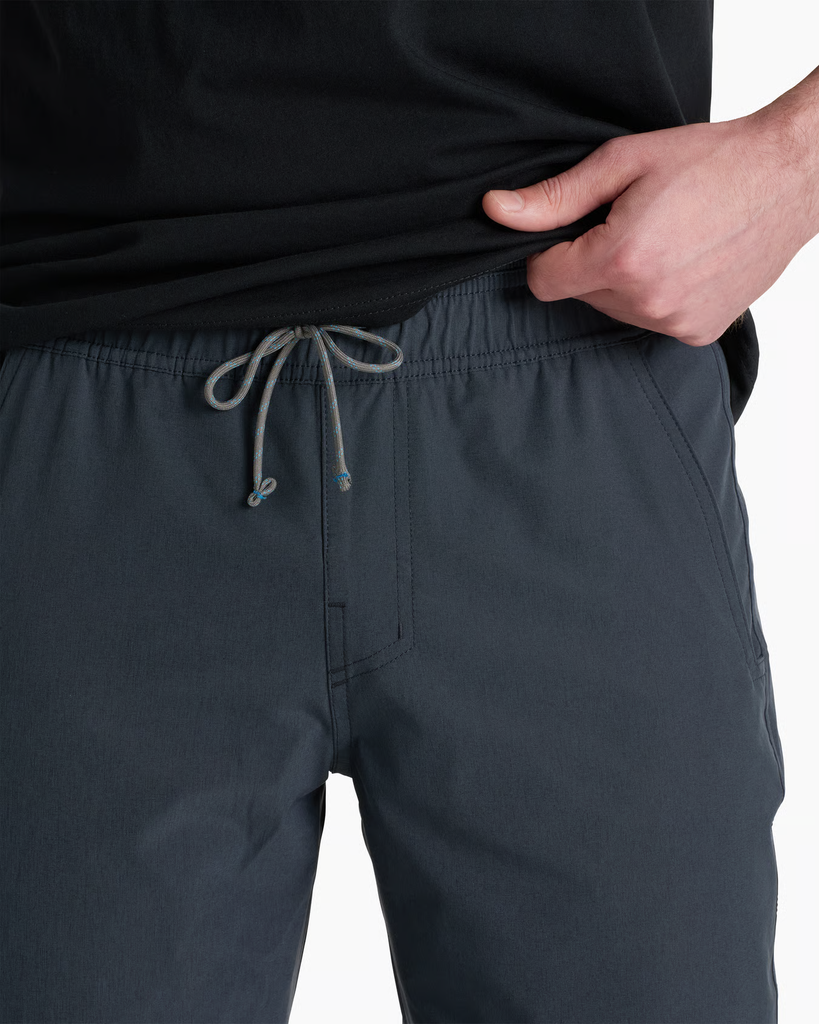
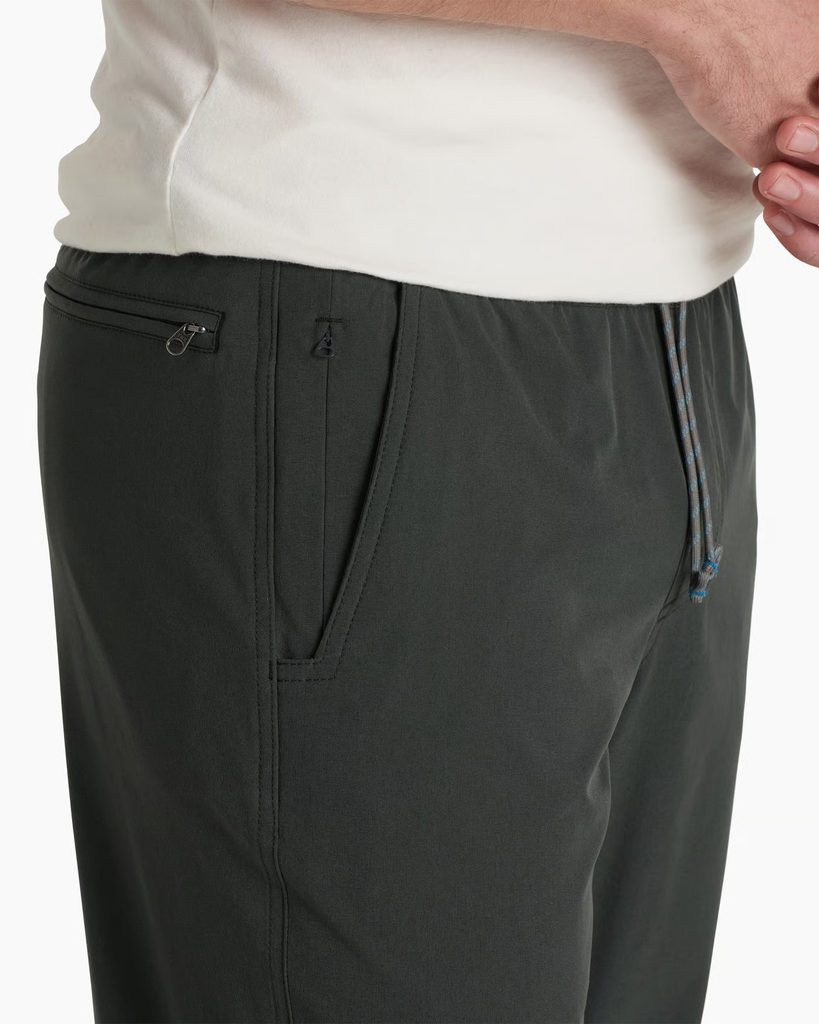
WaistbandWide pull-on waistband with external drawcord
PocketsTwo front chino-style (one zippered), one zippered back
Sun / dryUPF 50+, moisture-wicking, quick-drying, breathable
CareMachine wash cold, tumble dry low; no bleach, no dry clean
Rating4.7/5 from 300+ reviews

The combination that matters: it’s built like technical trail gear (stretch, UPF, quick-dry, breathable) but cut and finished like a clean chino. That duality is the whole product.

The one-pant wardrobe, tested
I’ll take your use cases one at a time, because the point of this pant is that it clears all of them.

Camping and hiking. This is where the performance DNA shows. The mechanical stretch means you can high-step over a log, scramble a rock, or fold into a camp chair with zero restriction. UPF 50+ covers your legs on exposed trail, and the quick-dry, moisture-wicking fabric handles sweat on the climb and a creek splash at camp. The pull-on drawcord waistband is quietly the best part for outdoor use — no stiff button digging in when you sit, just comfort you forget about. It’s a legitimately good hiking pant.

The office. Here’s the part most trail pants fail. The tapered cut and clean softshell finish read as a sharp chino, not as gear — there are no cargo pockets, no technical-looking seams screaming “I just came off a mountain.” The zippered pockets keep your phone and wallet secure and bulk-free so the lines stay clean. It looks intentional at a desk, which is all you can ask of a pant pulling double duty.

Date night. The tapered leg hitting right at the ankle is a genuinely modern silhouette, and in a darker color it dresses up easily with decent shoes. It’s comfortable enough that you’re not fidgeting through dinner, and it looks put-together enough that no one would guess the same pants summited something that morning. That’s the magic trick.

The cold-season move: merino underneath
Here’s the detail that makes it a true four-season pant, and the reason it’s stayed in rotation as the weather turns.

Because the FREEFLEX is a lightweight softshell with a semi-fitted (not skin-tight) cut through the seat and thigh, there’s just enough room to layer a merino wool base layer underneath without the pant feeling stuffed or looking bulky. On the cool-morning, cold-evening days of the seasonal transition, that’s the whole system: merino bottoms for warmth against the skin, the FREEFLEX over the top for stretch, wind resistance, and a clean look. You get real cold-weather capability out of a pant that’s still office- and dinner-appropriate, and you’re not buying a separate pair of insulated pants for shoulder season. For anyone dressing for Rockies weather that can’t make up its mind, that layering flexibility is the quiet killer feature.

Honest notes

It’s not a waterproof or insulated pant. The fabric is quick-drying and breathable, but KÜHL doesn’t list a DWR or waterproofing, and it’s an unlined softshell. For sustained rain or genuinely cold days on its own, it’s not the tool — that’s exactly why the merino-underneath layering matters, and why you’d want a rain shell over it in a downpour.

The tapered, ankle-length cut is a style choice. It’s modern and I like it, but if you prefer a relaxed, boot-cut, or break-at-the-shoe fit, this isn’t that. Mind the inseam options (29/31/33) to get the ankle hit right, since that’s where the look lives or dies.

Softshell polyester isn’t natural fiber. If you specifically want cotton or a natural-fiber hand, this is a technical synthetic — that’s what buys you the stretch, quick-dry, and UPF, but it’s a different feel than a cotton chino.

Confirm the price. KÜHL’s page didn’t list a price and I couldn’t cleanly verify it across retailers, so check the current price and color options at checkout.

Who it’s for

  • Buy it if: you want one pant for trail, travel, work, and dinner; you value stretch and comfort; and you like a modern tapered fit that layers over a base layer in the cold.
  • Skip it if: you need a waterproof or insulated pant, you prefer a relaxed/boot-cut fit, or you specifically want natural-fiber fabric.

KÜHL FREEFLEX Pant: the verdict
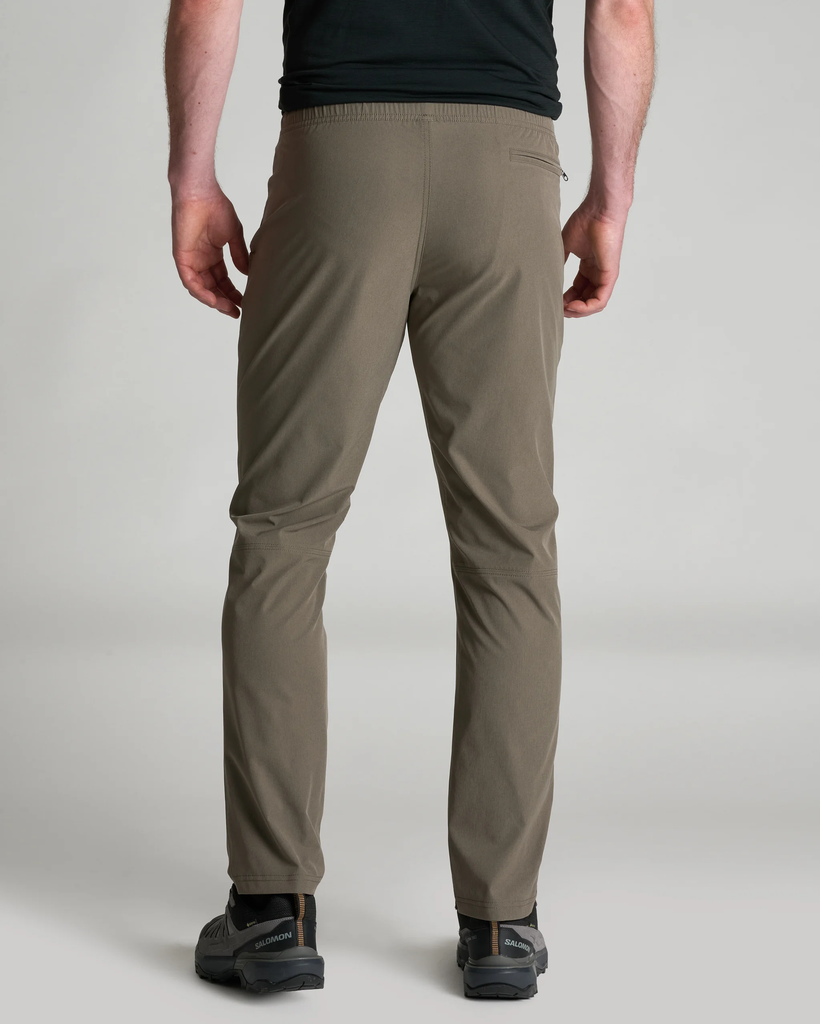
The best travel pant is the one that lets you pack one pair instead of three. The FREEFLEX 2.0 does that better than anything in my closet — it hikes like a performance pant, sits at a desk like a chino, and shows up to dinner like you planned it, all while being comfortable enough that you forget you’re wearing it. Add a merino base layer and it carries straight through the cold shoulder season without missing a step.

I couldn’t pin the exact price, so weigh that at checkout — but on versatility per dollar, this is the pant I reach for when I don’t know what the day holds, which in the mountains is most days. It’s earned a permanent spot in the rotation, and that’s the highest compliment I give a piece of gear.


FAQ

Are the KÜHL FREEFLEX pants good for hiking? Yes. They use a stretch softshell fabric for full range of motion, with UPF 50+ sun protection and quick-drying, moisture-wicking performance. A pull-on drawcord waistband adds comfort on the trail and at camp.

Can you wear FREEFLEX pants to the office? Yes — that’s a big part of their appeal. The tapered cut and clean softshell finish read as a sharp chino rather than technical gear, with zippered pockets that keep the lines bulk-free. They look intentional at a desk and dress up for dinner.

Can you layer under them in cold weather? Yes. The semi-fitted (not skin-tight) cut leaves room for a merino wool base layer underneath, which makes them a capable cold-season pant without looking or feeling bulky — ideal for shoulder-season temperature swings.

Are they waterproof? No. They’re quick-drying and breathable but not waterproof or insulated. Layer a base layer underneath for cold, or a rain shell over them in sustained wet.

What fit are they? Tapered, with a semi-fitted seat and thigh that narrows to the ankle, designed to hit at the ankle. Inseam options are Short 29″, Regular 31″, and Long 33″.

How do you care for them? Machine wash cold and tumble dry low. No bleach and no dry cleaning.

What are they made of? A lightweight FREEFLEX performance-blend softshell (polyester) with mechanical stretch.
KÜHL Spyfire Hoody Review: The Down Jacket Built for “Will We or Won’t We Get Snow”

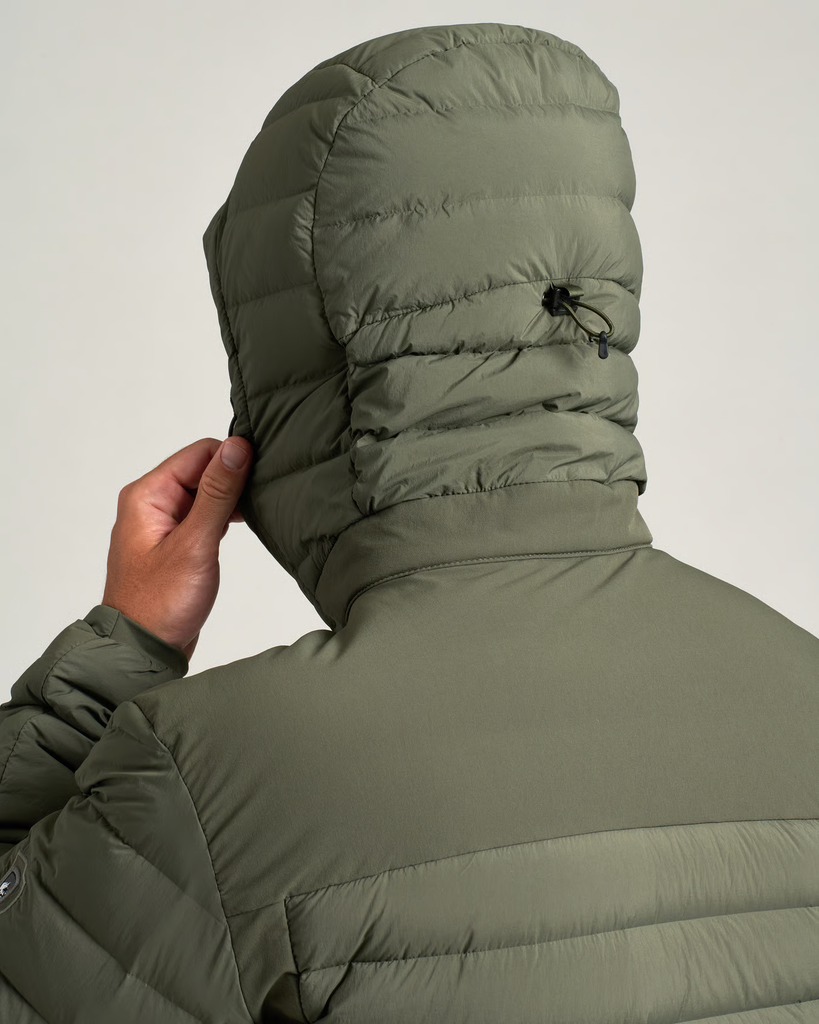
Quick verdict: The KÜHL Spyfire Hoody ($339) has become my go-to jacket for the hardest weather to dress for — the Rockies shoulder season, when a bluebird morning can turn to spitting snow by afternoon and back again. It’s packed with 800-fill Muscovy duck down for serious warmth at barely over a pound, but the real trick is the engineered baffle layout and breathable softshell panels that keep it from overheating when you’re moving. It’s a genuine warm-and-mobile down hoody, not a puffy marshmallow. It’s not cheap, and the down isn’t treated for heavy wet, but as a camp-and-hike layer for this unpredictable stretch of the year, it’s close to perfect.


Fall-to-winter in the Rockies is the single hardest thing to pack for. You leave the trailhead in sun, you summit in wind, and somewhere on the way down the sky decides it’s winter now. The “will we or won’t we get snow” season punishes the wrong jacket in both directions — too little and you freeze when it turns, too much and you’re a sweaty mess on the climb. The Spyfire is the jacket that’s finally let me stop guessing.

What is the KÜHL Spyfire Hoody?

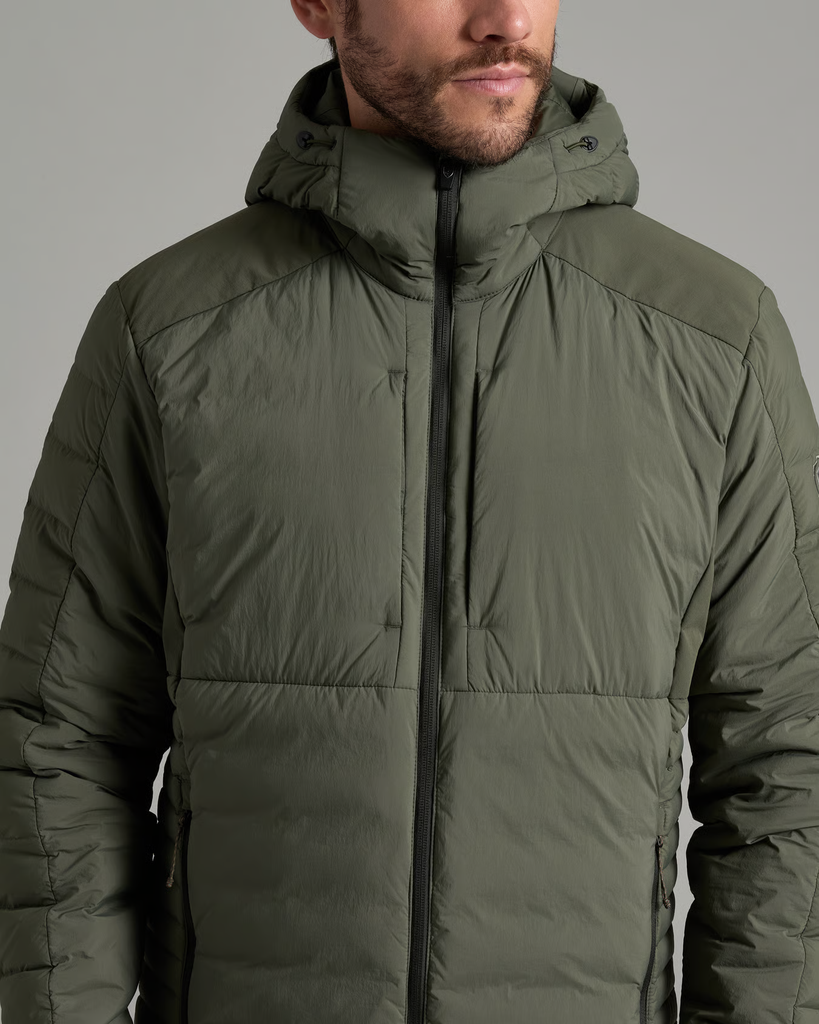
It’s KÜHL’s premium down hoody, built to be warm, mobile, and weather-ready without the bulk of a true expedition parka. The essentials:

SpecDetail
Price$339
Fill800-fill Muscovy duck down (larger clusters than typical goose down); 90% down / 10% feather
Weight~1 lb 2 oz
Shell20D MIKROTEX nylon, matte finish, PFC-free DWR
PanelsBreathable softshell overlays on upper side body; AERO KNIT insulation in zones
BafflesPre-baffled woven, stitch-free engineered 3D baffles — more down at the core, less in heat zones
HoodInsulated, sculpted fit, cinches down; lies flat when down
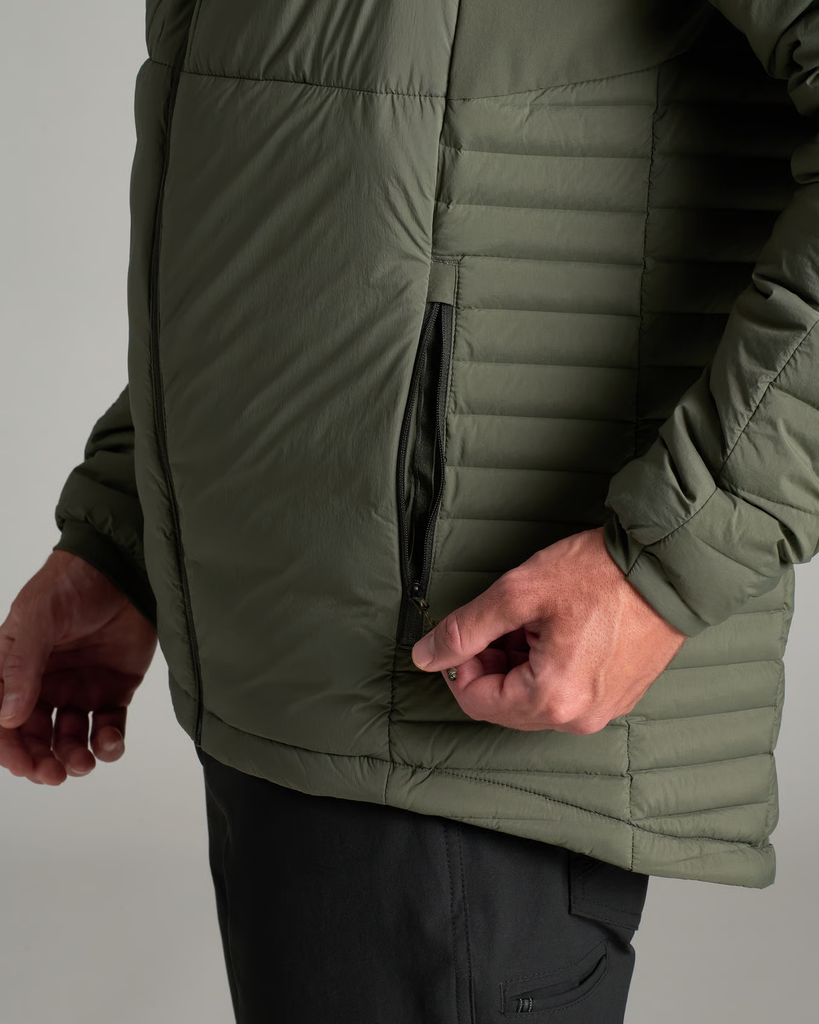
Pockets2 zip chest, 2 insulated zip hand (with zipper garages), 1 interior drop-in
DetailsInternal knit cuffs, articulated sleeves, single-adjust hem, YKK reverse-coil zips, reflective ribbon
CareMachine wash cold/delicate; tumble dry low with tennis balls
ColorsForest Green and others

The headline number is 800-fill Muscovy duck down — a high warmth-to-weight fill with larger clusters that loft well and trap more air per gram. That’s what gets you real warmth at just over a pound.

Why it handles the shoulder season so well

Plenty of down jackets are warm. What makes the Spyfire right for this season specifically is that it fights overheating as hard as it fights cold.

The baffle layout is zoned. KÜHL puts more down at your core, where you want heat held, and less down in the high-output zones that generate their own warmth when you’re working. So when you’re grinding up a climb, you’re not trapping a furnace against your back — and when you stop and the wind hits, the core stays warm. For start-cold, warm-up-fast, cool-down-at-the-top hiking, that zoning is exactly the behavior you want.

Softshell panels let it breathe. The breathable softshell overlays on the upper sides vent heat and moisture where a fully down-filled jacket would turn clammy. This is the difference between a down jacket you have to keep taking off and one you can actually hike in.

It moves. Articulated sleeves and a low-profile cut mean you can reach, scramble, and set up camp without the jacket fighting you or riding up. A lot of warm down jackets turn you into a stiff marshmallow; this one doesn’t.

The hood and hem seal up when it turns. When the “won’t we” becomes “we definitely are,” the insulated hood cinches down to block wind and snow, and the single-adjust hem seals the bottom. It goes from breathable climbing layer to storm-ready quickly.

Camping and hiking in the Rockies transition

This is where it’s earned “go-to” status.

On a shoulder-season hike, I can start out in it on a cold trailhead morning, keep it on through the first climb because it breathes, and still have it be the right call when I hit an exposed, windy saddle and the temperature drops ten degrees. That range — comfortable while working and warm while stopped — is the whole ballgame for this season, and it’s where most jackets force a compromise.

For camping, the warmth-to-weight is the win. At just over a pound it’s an easy throw-in for the cold morning and evening bookends of a fall trip, and it packs down reasonably for what it is. The two insulated hand pockets with zipper garages are a small luxury that matters a lot when you’re standing around a cold camp at dawn waiting for coffee, and the chest pockets keep phone and essentials secure and warm. The forest green colorway, for what it’s worth, looks sharp enough that it’s become my around-town winter jacket too.

Honest notes

The down isn’t treated for wet. This is the one to understand. The shell has a PFC-free DWR that sheds light moisture — flurries, a brief squall — but the page doesn’t list the down itself as hydrophobic/treated. Down loses loft and warmth when it gets soaked, so this is not the jacket for sustained rain or wet, heavy snow. For a genuinely wet day in the mountains, you want a shell over it or a synthetic insulator instead. For cold and dry — which is most of a Rockies winter — it’s ideal.

It’s a premium price. At $339 it’s an investment. The fill quality, the engineered construction, and KÜHL’s build justify it for someone who’ll live in it all season, but it’s a real number and there are cheaper down hoodies if you don’t need the mobility and zoning.

Dial in the fit. KÜHL lists it as a low-profile, articulated cut without a clear slim/regular label. It’s trim enough to layer under a shell but athletic in cut, so if you’re between sizes or want room for thick mid-layers, try it on or check returns before committing.

Care takes a beat. Like all down, it wants a gentle wash and a tumble dry with tennis balls to restore loft — not hard, but not the wash-and-forget routine of a fleece.

Who it’s for

  • Buy it if: you need one warm, mobile layer for cold-and-dry shoulder-season and winter hiking and camping, you want down warmth without overheating on the move, and you’ll use it in town too.
  • Skip it if: you need wet-weather protection (get a shell or synthetic), you want the cheapest warm jacket, or you want a roomy, boxy fit.

KÜHL Spyfire Hoody: the verdict

The best jacket for an unpredictable season is the one that stops you from having to predict it. The KÜHL Spyfire does exactly that — 800-fill down warmth for when it turns cold, zoned baffles and breathable panels for when you’re working hard, and a hood that seals up when the sky finally commits to snow. In the Rockies “will we or won’t we” stretch, that range is everything.

At $339 it’s a premium buy, and it wants cold-and-dry rather than soaking wet. But as the one jacket I now grab for fall-into-winter camping and hiking — and then wear to run errands the next morning — it’s earned its spot. It’s my new go-to winter jacket, and it took exactly one shoulder-season trip to know it.


FAQ

Is the KÜHL Spyfire Hoody good for hiking? Yes — it’s one of the better down hoodies for active use. Zoned baffles put more down at the core and less in high-output areas, and breathable softshell side panels vent heat, so it stays comfortable while you’re climbing instead of forcing you to stop and strip it off.

What kind of down is in it? 800-fill Muscovy duck down (90% down, 10% feather), which has larger clusters than typical goose down for strong loft and warmth-to-weight.

How warm is it, and how much does it weigh? It’s a genuinely warm down hoody at only about 1 lb 2 oz, making it an excellent warmth-to-weight layer for cold-and-dry conditions.

Is the Spyfire Hoody waterproof? No. The shell has a PFC-free DWR that sheds light moisture, but the down isn’t listed as treated/hydrophobic, so it’s not meant for sustained rain or wet snow. Pair it with a shell for wet days, or choose synthetic insulation.

Is it good for cold-weather camping? Yes, especially for the cold mornings and evenings of fall and winter trips. The warmth-to-weight makes it easy to pack, and insulated zip hand pockets are a welcome touch at a cold camp.

How much does it cost? $339.

How do you wash it? Machine wash cold on delicate, no bleach or softener, then tumble dry on low with a couple of clean tennis balls to restore the down’s loft.

Rumpl Merino SoftWool Blanket Review: The Grown-Up Blanket in a Puffy World

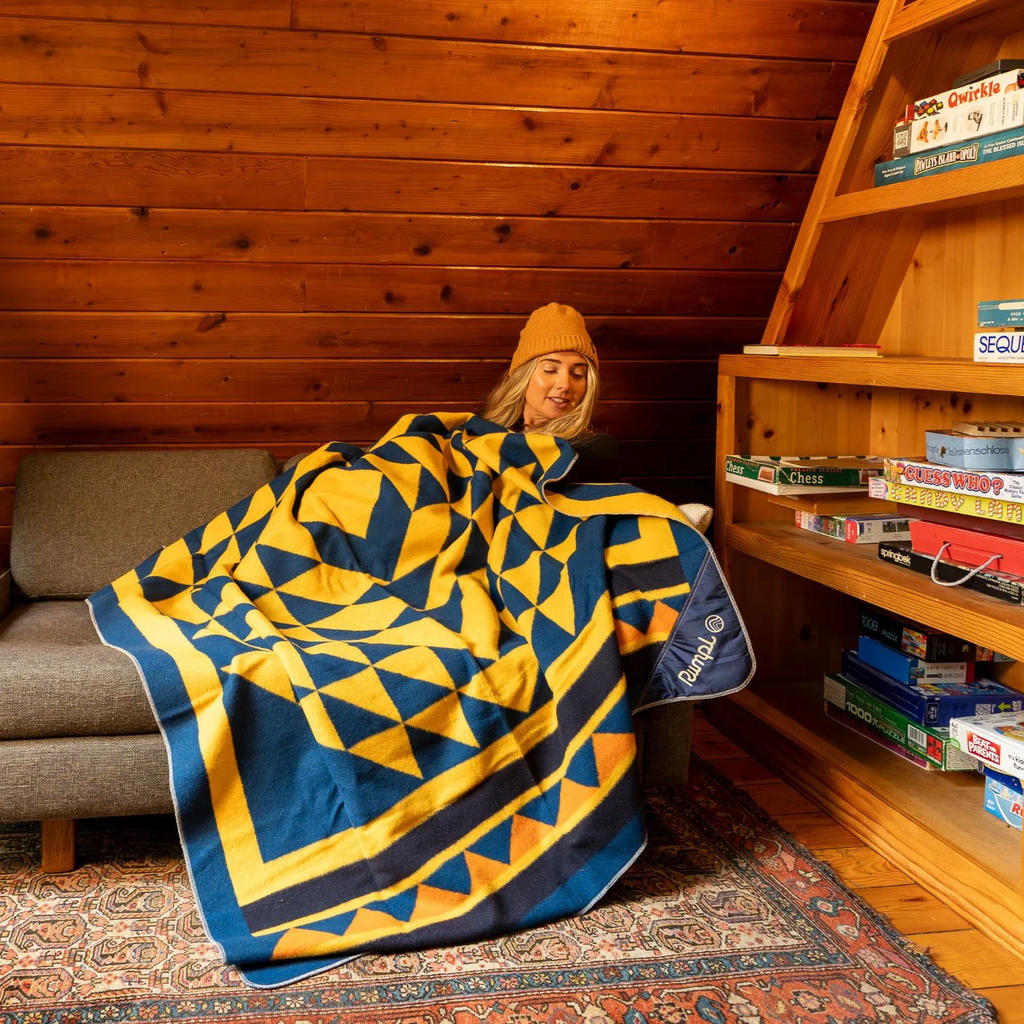
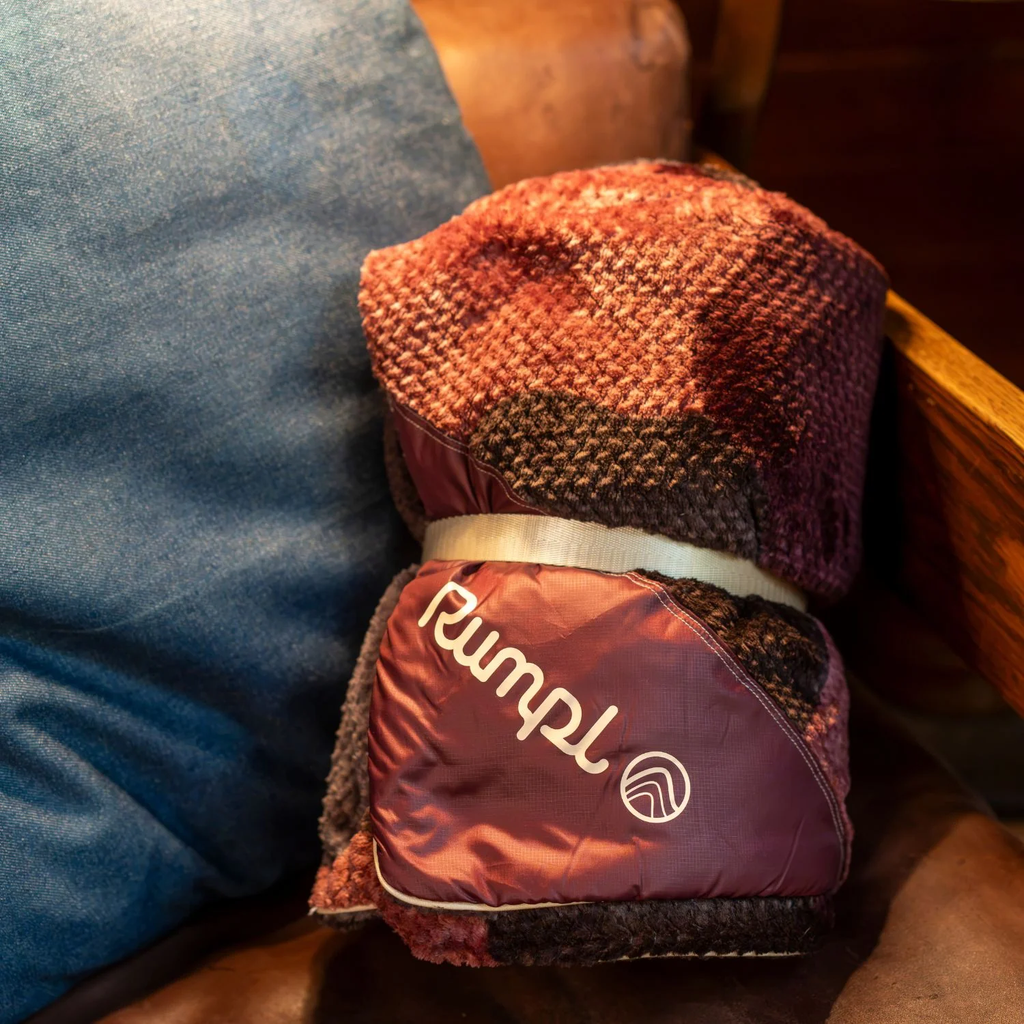
Quick verdict: The Rumpl Merino SoftWool Blanket (Quilted Amber, $199.95) is Rumpl’s most refined blanket — a 50/50 blend of Australian merino wool and organic cotton that trades the technical, packable puffy look for the warmth, breathability, and quiet good looks of a natural-fiber heirloom. It’s itch-free from the first use, temperature-regulating across seasons, and naturally odor-resistant. It’s not built for cold outdoor nights the way Rumpl’s puffy line is, and it needs gentler care, but as the blanket that lives on the bed, the couch, and the cabin sofa — and comes along for refined, mild-weather trips — it’s gorgeous and it’s built to last.


Most of Rumpl’s lineup is unapologetically technical — recycled synthetics, stuff sacks, weatherproof shells. The Merino SoftWool is the one you’d be happy to leave out when guests come over. It’s the natural-fiber, grown-up blanket in the family, and it’s a genuinely different proposition from the puffy blankets I’ve reviewed before.

What is the Rumpl Merino SoftWool Blanket?

It’s Rumpl’s wool-and-cotton blanket, built for comfort and longevity rather than packability and weatherproofing. The essentials:

SpecDetail
Price$199.95
SizesThrow, 1-Person, 2-Person
Material50% responsibly sourced Australian merino wool / 50% certified organic cotton
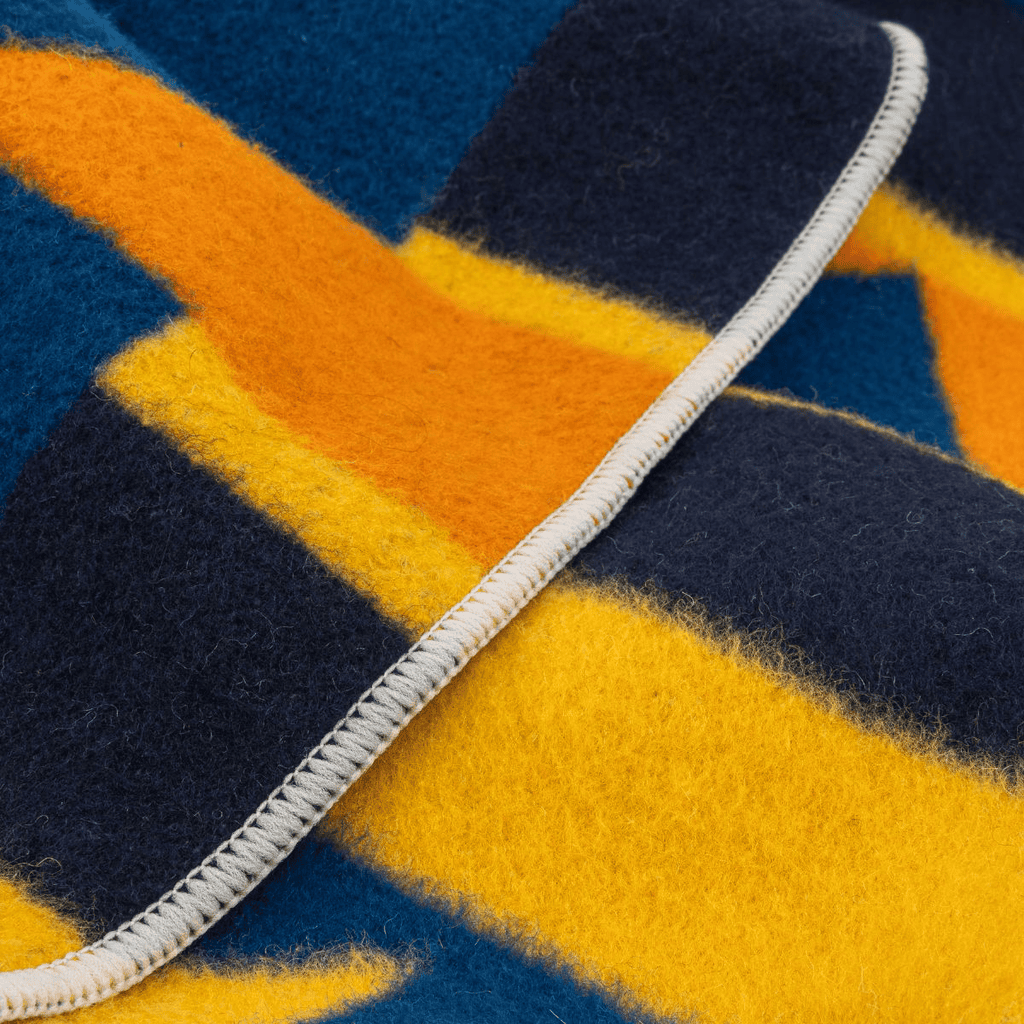
ConstructionQuilted geometric diamond pattern
Weight (1-Person)2.9 lb
PropertiesItch-free, temperature-regulating, naturally antimicrobial, breathable
CareDry clean recommended; spot clean; hang dry; no bleach, no tumble dry
Warranty3-year against defects
ColorsQuilted Amber (amber gold + deep navy), Playa Fade, Natural Cream Twist
Rating4.8/5 from 120 reviews

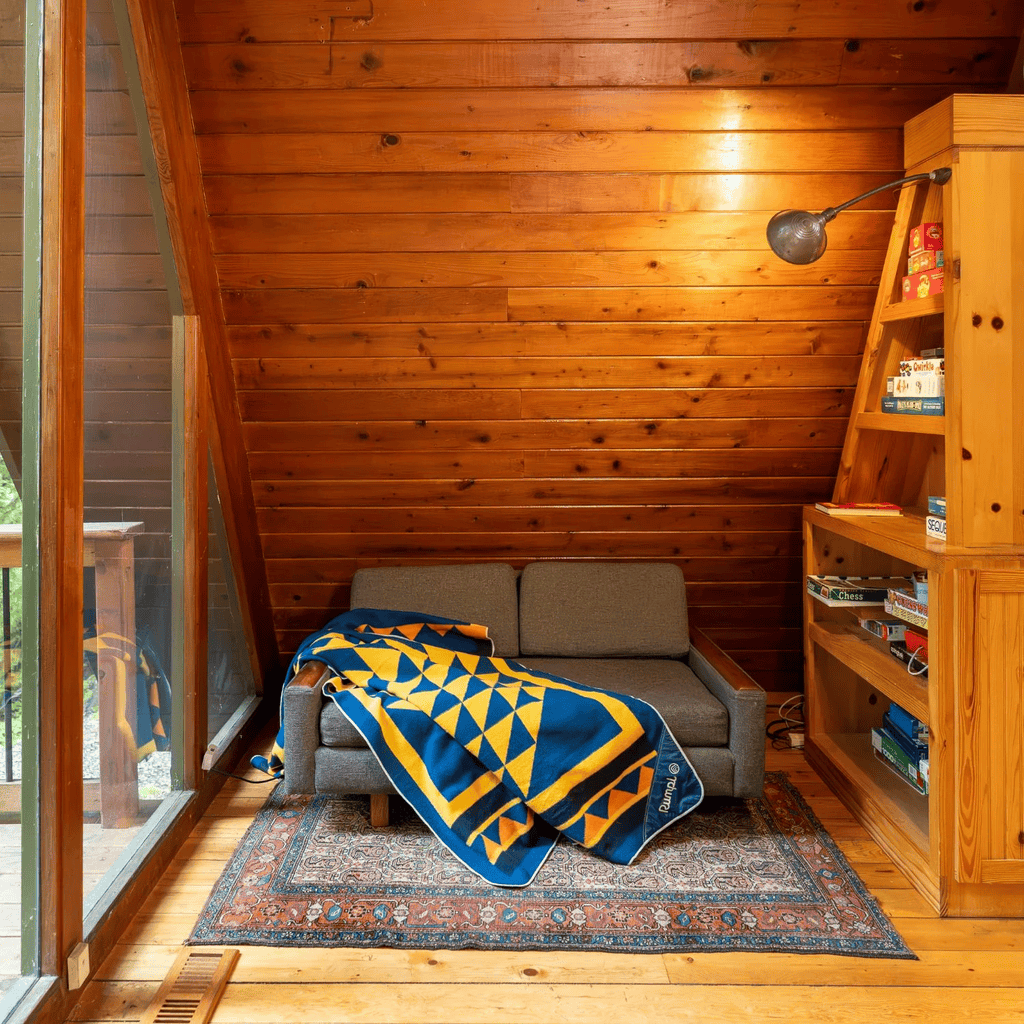
The Quilted Amber colorway — warm amber gold against deep navy in a geometric diamond quilt — is the standout. This is a blanket designed to be seen, not stuffed in a gear bin, and it looks the part.

Why merino wool and cotton make the difference

The whole case for this blanket is the fiber blend, so it’s worth understanding what each half brings.

Merino regulates temperature, both directions. This is wool’s superpower and the reason it beats synthetic fleece for year-round use. Merino traps warmth when it’s cool but breathes and releases heat when it’s warm, so the same blanket works on a chilly fall evening and a mild summer night without cooking you. It’s a true four-season layer rather than a winter-only one.

It’s naturally antimicrobial and odor-resistant. Merino resists the bacteria that cause odor, so it stays fresh far longer between cleanings than synthetic or cotton-only blankets — genuinely useful for a blanket that travels, lives in a cabin, or gets heavy use.

The organic cotton makes it itch-free and soft from day one. The classic knock on wool is the scratch. Blending it 50/50 with certified organic cotton solves that — this is soft against bare skin immediately, no break-in period, no itch. You get wool’s performance with cotton’s friendliness.

Natural fiber ages well. Unlike synthetics that pill and flatten, a quality wool-cotton blend is built to improve with time and use. Rumpl designed this one to be durable and age gracefully, and it reads as the kind of blanket you keep for a decade rather than replace in two seasons.

Where it fits in camp and travel life

I want to be precise about this one, because it’s easy to misuse.

The Merino SoftWool is a refined, mild-weather and indoor blanket — think cabin weekends, the camper or van, a blanket draped over the camp chair on a cool evening, or a travel blanket for the kind of trip where you’ll actually use it in a lodge or an Airbnb. Its temperature regulation makes it a smart four-season layer, and the natural odor resistance is a real advantage for anything that lives out of a bag for a few days.

Where it’s genuinely excellent is as the comfort blanket of the trip rather than the survival one — the thing you wrap up in by the fire, nap under in the afternoon, and bring inside at night. It layers beautifully, it looks good doing it, and it’s pleasant against the skin in a way no technical blanket is.

Honest notes

It’s not for cold outdoor nights. This is the critical caveat, and Rumpl says it plainly: for genuinely cold outdoor use, their Puffy Blankets are the right tool. The Merino SoftWool is warm and regulating, but it’s a quilted wool-cotton blanket, not an insulated outdoor shell. Don’t buy it expecting to stay warm around a frigid late-season campfire — buy the Original Puffy for that and let this one handle the refined, milder duty.

The care is high-maintenance. This is the real trade for natural fibers. Rumpl recommends dry cleaning, with spot-cleaning for light messes — no machine wash, no bleach, no tumble dry. That’s a meaningful downgrade in convenience from the toss-it-in-the-washer puffy blankets, and it’s worth knowing before you take a white-ish colorway into a muddy, kid-and-dog camp environment. This blanket rewards being treated like the nice thing it is.

It doesn’t pack as small. Being a wool-cotton quilt, it doesn’t compress into a stuff sack the way the puffy line does (there isn’t one). It’s a haul-it-in-the-car item, not a strap-it-to-a-pack one.

Confirm the price. I saw some inconsistency in the listed price, so check the exact number for your size and color at checkout.

Who it’s for

  • Buy it if: you want a beautiful, itch-free natural-fiber blanket for home, cabin, camper, and refined travel; you value temperature regulation and odor resistance; and you’ll keep a quality piece for years.
  • Skip it if: you need a warm blanket for cold outdoor nights (get a Rumpl Puffy), you want machine-washable convenience, or you need something that packs down small for the trail.

Rumpl Merino SoftWool Blanket: the verdict

Not every blanket needs a stuff sack and a weatherproof shell. The Merino SoftWool is the one in Rumpl’s lineup you buy because it’s lovely — itch-free merino and organic cotton that regulates temperature across the seasons, resists odor, and looks like an heirloom instead of gear. It’s the blanket for the cabin sofa, the camper, the cool evening by the fire, and the trip where comfort matters more than survival.

At $199.95 it’s a premium ask, and the gentle-care requirement means it’s not the one for muddy, rough-and-tumble camp duty. But as the refined, four-season comfort blanket that’s as at home on your couch as on a cabin weekend, it’s a beautiful, lasting piece — and the Quilted Amber is the best-looking blanket Rumpl makes.


FAQ

Is the Rumpl Merino SoftWool Blanket good for camping? Yes, for mild-weather and refined camping — cabin weekends, van or camper life, or draped over a chair on a cool evening. It regulates temperature across seasons and resists odor. For genuinely cold outdoor nights, Rumpl recommends their Puffy Blankets instead.

Is merino wool itchy? Not in this blanket. It’s a 50/50 blend with certified organic cotton, which makes it soft and itch-free from the first use, with none of the scratch people associate with wool.

What is the Merino SoftWool made of? A 50/50 blend of responsibly sourced Australian merino wool and certified organic cotton, in a quilted geometric diamond pattern.

How do you wash it? Dry cleaning is recommended, with spot cleaning using a damp cloth for light care. Hang to dry; do not bleach or tumble dry. It’s more care-intensive than Rumpl’s machine-washable puffy blankets.

Does it regulate temperature? Yes — merino wool traps warmth when it’s cool and breathes when it’s warm, making this a true four-season blanket rather than a winter-only one.

How much does it cost? $199.95, with sizes in Throw, 1-Person, and 2-Person. Confirm the exact price for your size and color at checkout.

Is it warm enough for cold weather? It’s warm and temperature-regulating for mild and cool conditions, but it’s not built for extreme cold. For cold outdoor nights, choose an insulated Rumpl Puffy Blanket.

Rumpl Après Fleece Blanket Review: The Softest Layer in Our Camp Kit (and Our Cat Agrees)

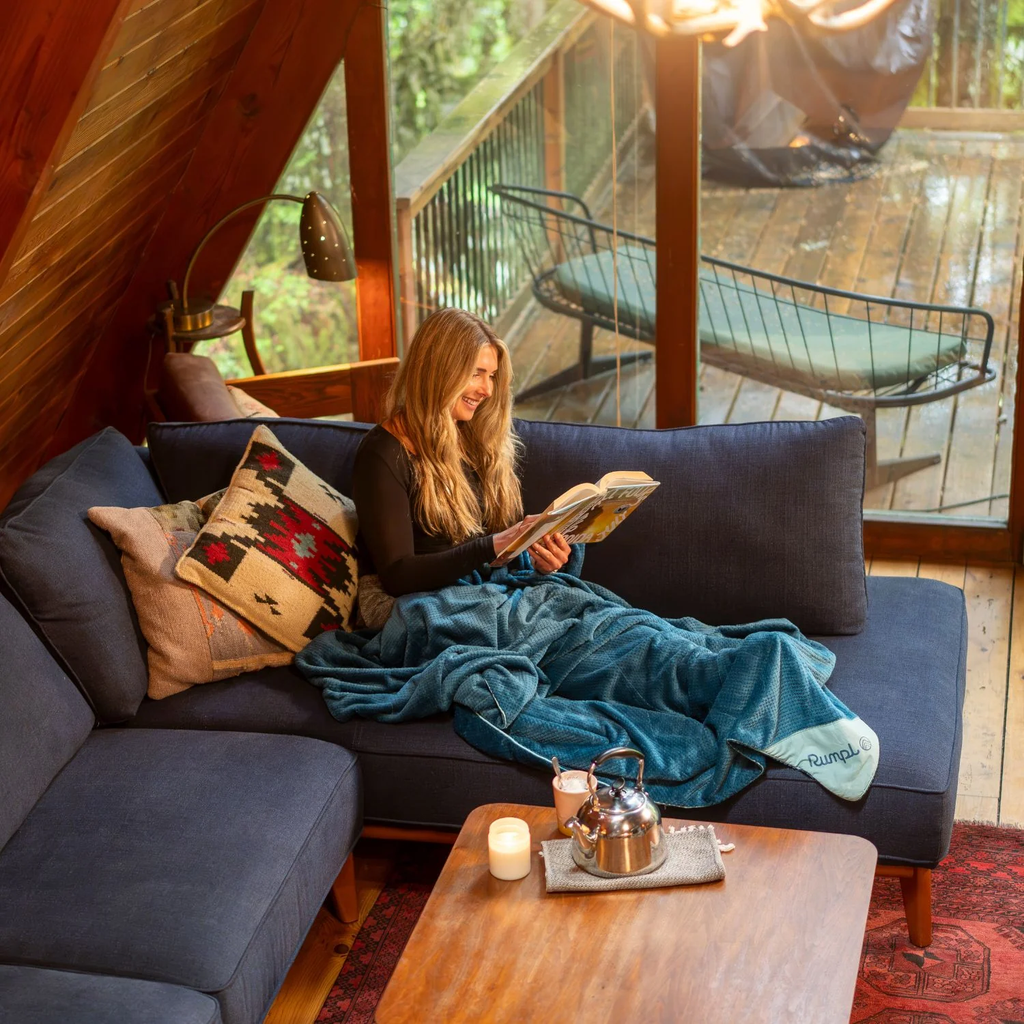
Quick verdict: The Rumpl Après Fleece Blanket (Sea Moss, from $79.95) is pure, unapologetic coziness — a double-layer, ultra-soft recycled tech fleece built for the moment the hard part of the day is over. It’s not a technical weatherproof blanket, and it doesn’t try to be. What it does is wrap you in the kind of soft that makes you not want to get up. Its secret weapon: slipped inside the Rumpl Wrap Sack, it turns an already great sleep system into something absurdly warm and plush. And on the nights we’re home, it’s officially the cat’s favorite thing we own.


Not every piece of gear needs to earn its place by surviving a storm. Some earn it by being the thing you reach for the second the storm’s over — boots off, fire going, the day’s effort behind you. That’s the whole job of the Rumpl Après Fleece, and it’s very good at it.

What is the Rumpl Après Fleece Blanket?

Rumpl made its name on packable puffy blankets. The Après is the other end of the spectrum: a plush, quilted fleece built for comfort and recovery rather than the trail. The essentials:

SpecDetail
PriceFrom $79.95 (varies by size)
SizesMini, Throw, 1-Person, 2-Person
Material100% post-consumer recycled mid-pile tech fleece, quilted double-layer
Weight (1-Person)2.45 lb
Anti-odorHeiQ Fresh bio-based treatment
FinishAnti-static
CarryWebbing strap doubles as carry handle (no stuff sack)
CareMachine washable; hang dry or tumble low
SustainabilityMade from recycled plastic bottles (≈38.5 for the 1-Person)
Warranty3-year against defects
ColorsSea Moss, Charcoal Grey, Natural Cream, Seascape, plus prints

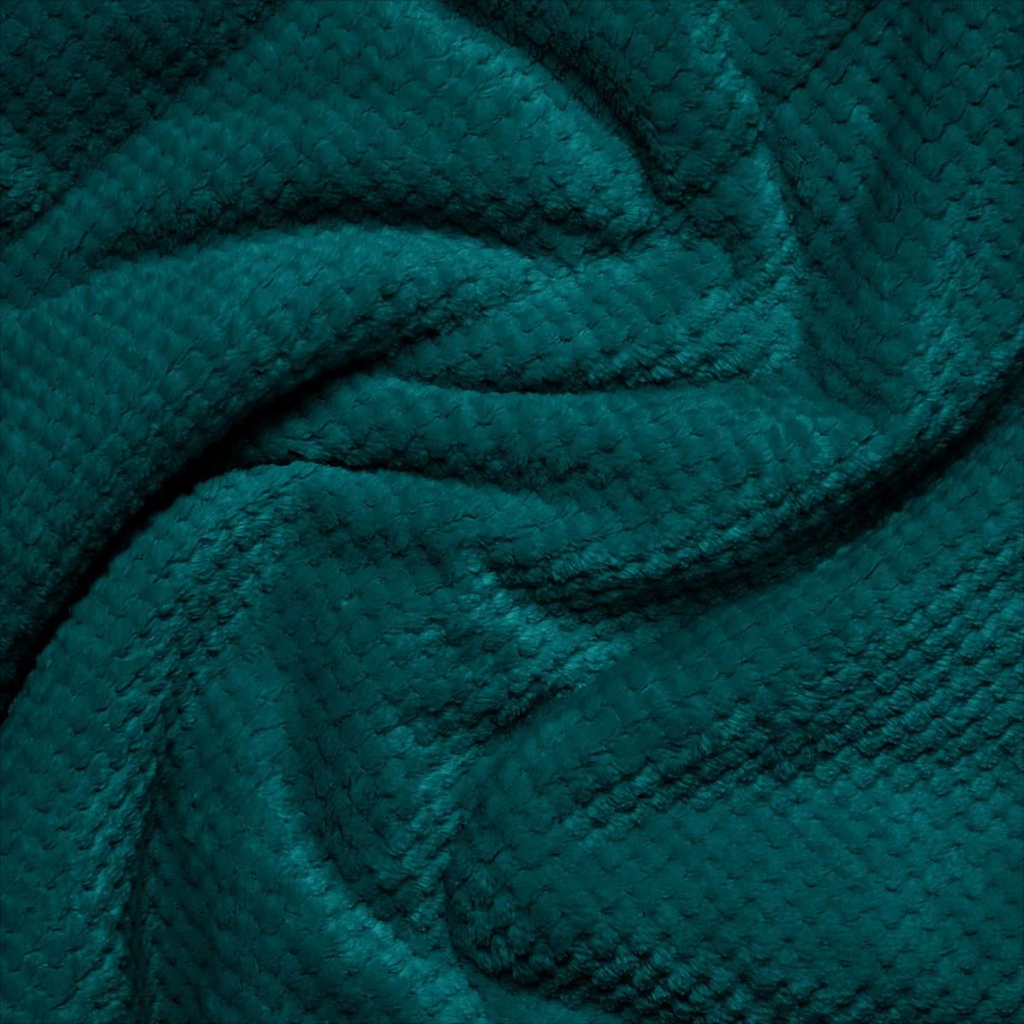
Rumpl is clear that this one is built for indoor and recovery use — “after last chair, long hikes, or a day on the couch” — not as a weather-resistant outdoor blanket like their Fleece Puffy. That framing matters, and I’ll come back to it in the honest notes. The Sea Moss colorway, for what it’s worth, is a muted, earthy green that looks far more grown-up than most fleece throws.

The feel: this is the whole point

There’s no clever way to review a fleece blanket’s softness, so I’ll just be direct: this is one of the softest things I own. The double-layer quilted construction gives it a substantial, draped weight — not heavy, but present, the kind that settles over you instead of floating. The mid-pile fleece is genuinely plush on both sides.

Two features you don’t notice until you’ve lived with it: the HeiQ Fresh anti-odor treatment keeps it from going musty between washes (real for camp use, where everything picks up campfire and tent smell), and the anti-static finish means it doesn’t crackle and cling the way cheap fleece does in dry mountain air. In Colorado’s dryness, that second one is a bigger deal than it sounds.

The pairing that makes it shine: inside the Wrap Sack

Here’s where it goes from “nice fleece” to “the thing I tell people about.”

If you read my Rumpl Wrap Sack 20 review, you know I’m a believer in that blanket-style bag — especially for anyone who finds a traditional mummy bag claustrophobic. The Wrap Sack is already a layered system (shell bag plus NanoLoft blanket liner). But on a cold night, you can tuck the Après Fleece inside as an extra liner, and the result is a different level of cozy entirely.

The fleece adds a layer of plush warmth right against you, inside the Wrap Sack’s existing insulation, so you get soft-against-the-skin comfort and a meaningful bump in warmth for cold nights. It’s the sleeping-bag equivalent of adding flannel sheets. Because the Wrap Sack is designed to open and wrap rather than seal you in, the fleece layers in without making the whole thing feel like a straitjacket — you still get that freedom of movement, just warmer and softer. For shoulder-season camping where the temperature drops harder than you planned for, this combo has been the move.

When we’re not camping: the cat has claimed it

Full disclosure on where this blanket actually spends most of its life: our cat has adopted it.

The moment it’s not in the camp bin, it’s on the couch, and the moment it’s on the couch, the cat is curled into it. There’s something about the plush pile that cats apparently find irresistible — and honestly, it’s a point in the blanket’s favor. The anti-odor treatment earns its keep here too (a cat-claimed blanket gets fragrant fast), and it’s machine washable, so the shared-with-a-pet reality isn’t a problem. It’s the rare piece of gear that’s genuinely as good at home as it is at camp, which makes the cost easier to justify — you’re not buying a single-use item that lives in a bin eleven months a year.

Honest notes

It’s not a weatherproof outdoor blanket. This is the big one. The Après is fleece, built for indoor and recovery use — it has no weather-resistant shell and no stuff sack, and it’ll soak up moisture rather than shed it. For sitting around a damp campsite or anything that might get rained on, Rumpl’s Original Puffy or Fleece Puffy is the right tool. Think of the Après as the inside blanket — tent, camper, cabin, couch, or a liner layer — not the one you throw on wet grass.

No stuff sack. It comes with a webbing strap that doubles as a carry handle, but there’s no compression sack, so it doesn’t pack down small the way Rumpl’s puffy line does. It’s a bulkier item to haul, which reinforces the “base camp and home” use rather than “strap it to a pack.”

Check the price for your size. Pricing scales with size (the Mini is cheapest, the 2-Person the most), and I saw some inconsistency in the listed numbers, so confirm the exact price for the size and color you want at checkout.

Who it’s for

  • Buy it if: you want a genuinely plush recovery/indoor blanket, you camp with a Wrap Sack or want a warmth-boosting liner, you value recycled materials, and you’d use it at home too.
  • Skip it if: you need a weatherproof outdoor blanket to use on the ground or in the elements, or you need something that packs down small for the trail.

Rumpl Après Fleece Blanket: the verdict

The best comfort gear doesn’t fight the elements — it rewards you once you’re done fighting them. The Rumpl Après Fleece is exactly that: an impossibly soft, recycled-fleece layer for the end of the day, whether that’s inside a Wrap Sack on a cold mountain night or on the couch at home. Paired with the Wrap Sack it’s a legitimate warmth upgrade; on its own it’s the coziest thing in the house.

From $79.95 it’s a reasonable ask for how much use it gets, and in our house it gets a lot — most of it, admittedly, from the cat. That it’s equally at home at 9,000 feet and on the living room couch is the whole point. It’s the blanket we reach for when the day’s work is done, and that’s a job worth doing well.


FAQ

Is the Rumpl Après Fleece good for camping? Yes, for the right kind of camping use. It’s built for indoor and recovery comfort — inside a tent, camper, or cabin, or as a cozy liner — rather than as a weatherproof outdoor blanket. It layers beautifully inside a sleeping bag for extra warmth, but it’s not meant to be used on wet ground or in the elements.

Can you use the Après Fleece inside a Rumpl Wrap Sack? Yes, and it’s one of the best uses for it. Tucking the Après Fleece inside the Wrap Sack adds a plush, warm layer against your skin and a meaningful warmth boost for cold nights, while keeping the Wrap Sack’s open, non-claustrophobic feel.

What is the Après Fleece made of? 100% post-consumer recycled mid-pile tech fleece in a quilted double-layer construction — made from recycled plastic bottles (about 38.5 for the 1-Person size).

Is it machine washable? Yes. Machine wash in a front-loading washer and hang to dry, or tumble dry on low. It also has a HeiQ Fresh anti-odor treatment that keeps it fresher between washes.

How much does it cost? From $79.95, with price varying by size (Mini, Throw, 1-Person, 2-Person). Confirm the exact price for your size and color at checkout.

Is it weatherproof? No. The Après is a fleece blanket built for indoor and recovery use. For a weather-resistant outdoor blanket, look at Rumpl’s Original Puffy or Fleece Puffy instead.

Does it come with a stuff sack? No. It includes a webbing strap that doubles as a carry handle, but no compression sack, so it doesn’t pack down as small as Rumpl’s puffy blankets.

KNKG Apex Backpack Large Review: One Bag From the Office to the Trailhead

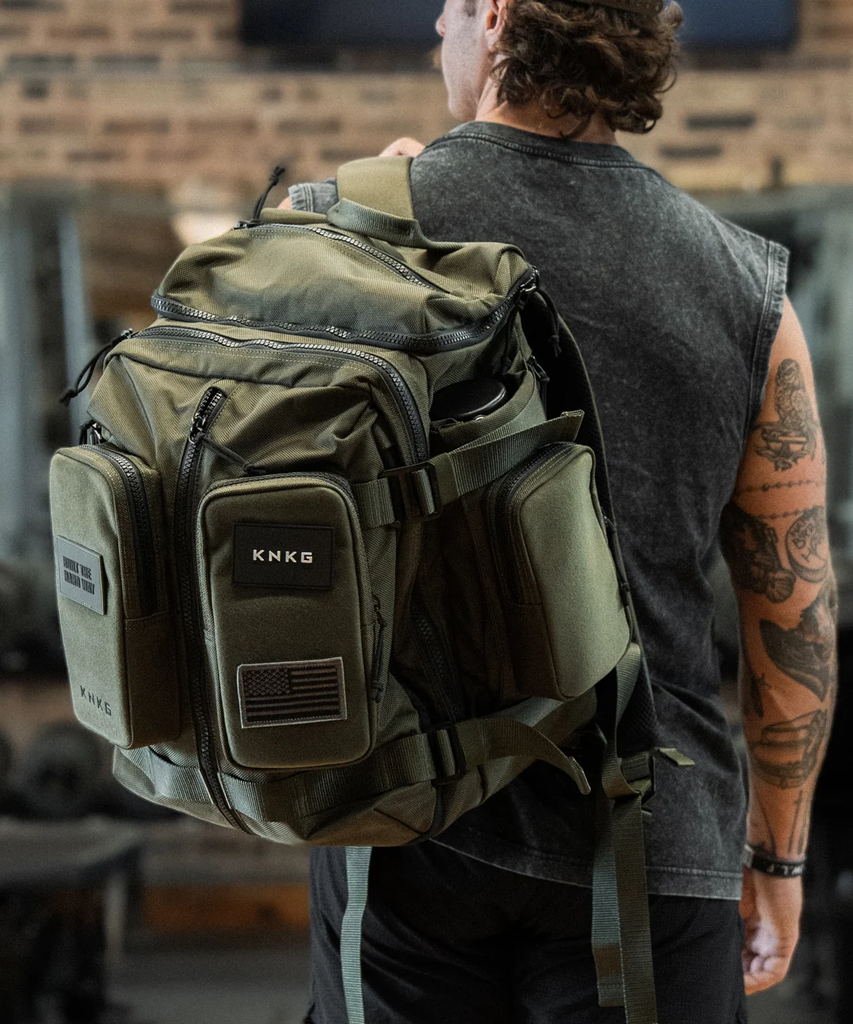
Quick verdict: The KNKG Apex Backpack Large ($240) is the rare do-it-all bag that genuinely does it all — 40L expanding to 45L, with a dedicated shoe compartment, a padded 16″ laptop sleeve, and enough smart pockets to carry your work setup and your training gear at the same time without them turning into one tangled pile. It’s built like a tank (1680D ballistic nylon, YKK zippers, 25-year warranty) and it’s the bag I grab on the days I’m going from my desk straight to a trail. It’s not light and it’s not cheap, but if you’re trying to replace three bags with one, this is the one.


Here’s my actual life, and maybe yours too. I work just outside Rocky Mountain National Park. On a good day, that means my lunch break can be a trail run instead of a sad desk salad — but only if I’ve brought the gear with me. The problem has always been the bag. A work backpack can’t hold trail shoes and a change of clothes. A gym bag can’t protect a laptop. So I used to carry two. Now I carry the Apex, and the problem is just… gone.

What is the KNKG Apex Backpack Large?

KNKG built the Apex as a serious gym-to-everywhere bag, and the Large is the biggest in the line. The essentials:

SpecDetail
Price$240
Capacity40L, expandable to 45L
Dimensions17.7″ H × 12.6″ W × 11″ D (expands to 12.6″ deep)
Weight4.3 lbs (1.9 kg)
Body1680D ballistic nylon, ripstop lining
HardwareYKK Vislon zippers, powder-coated steel buckles
LaptopPadded sleeve fits up to 16″
ShoesDedicated compartment fits up to size 15
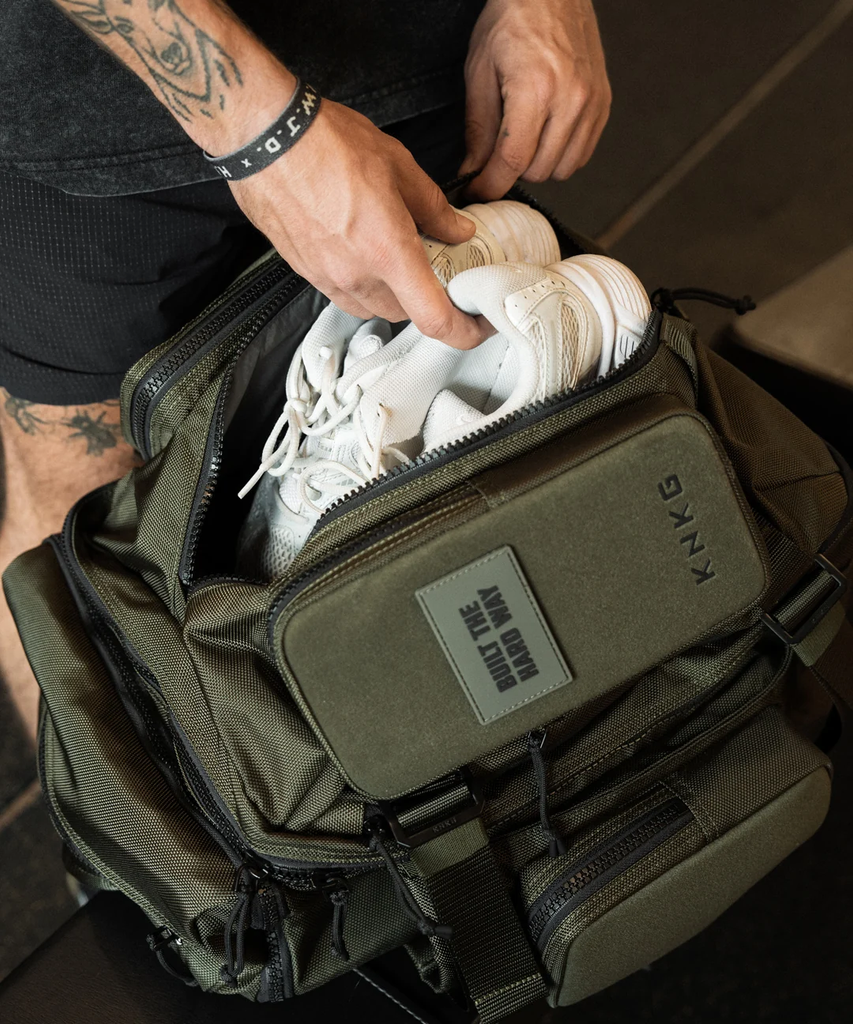
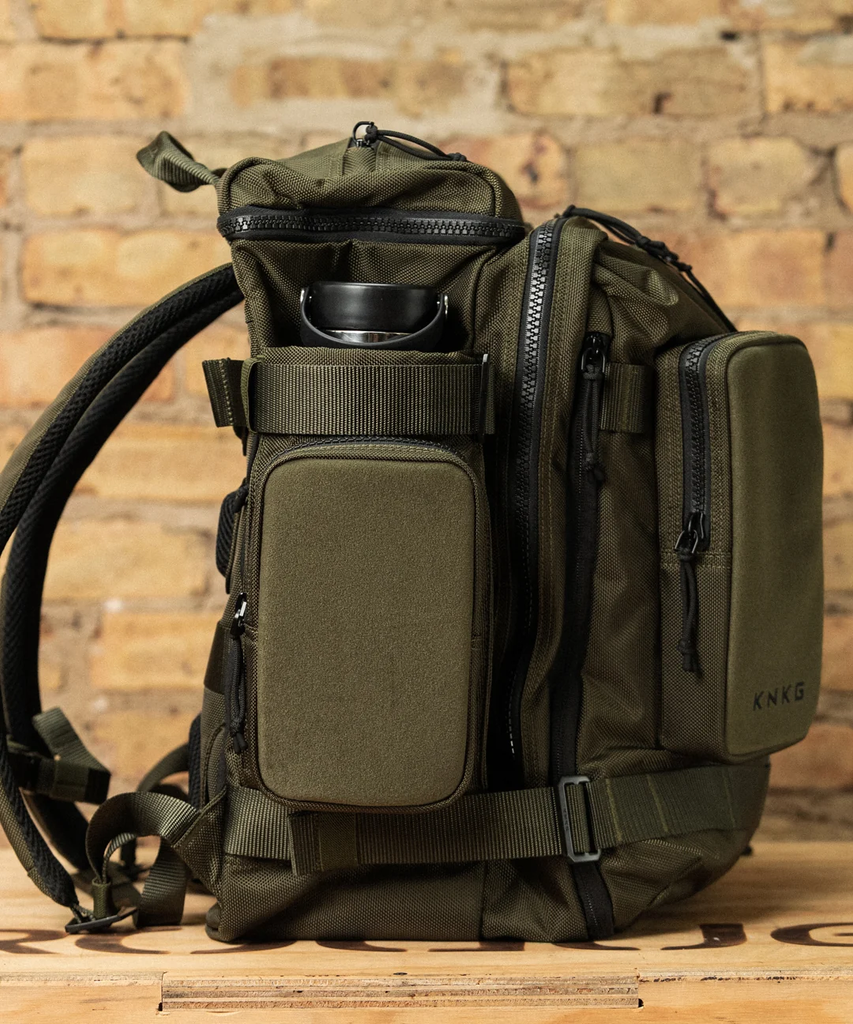
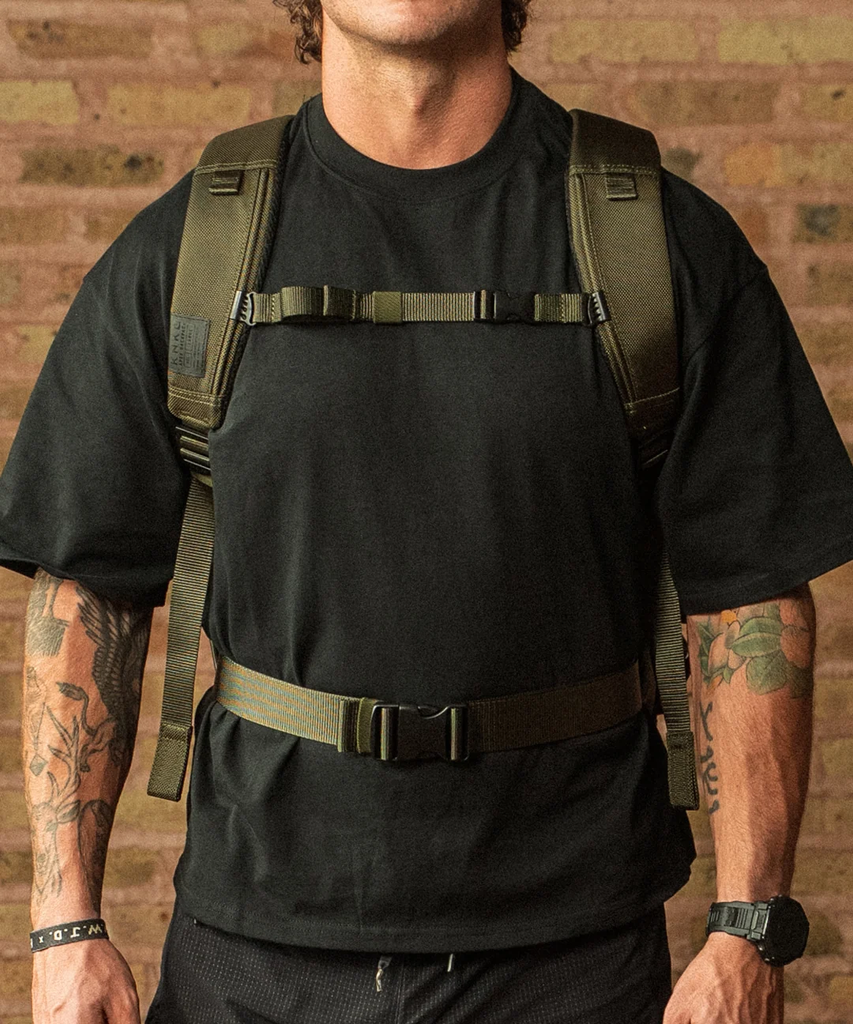
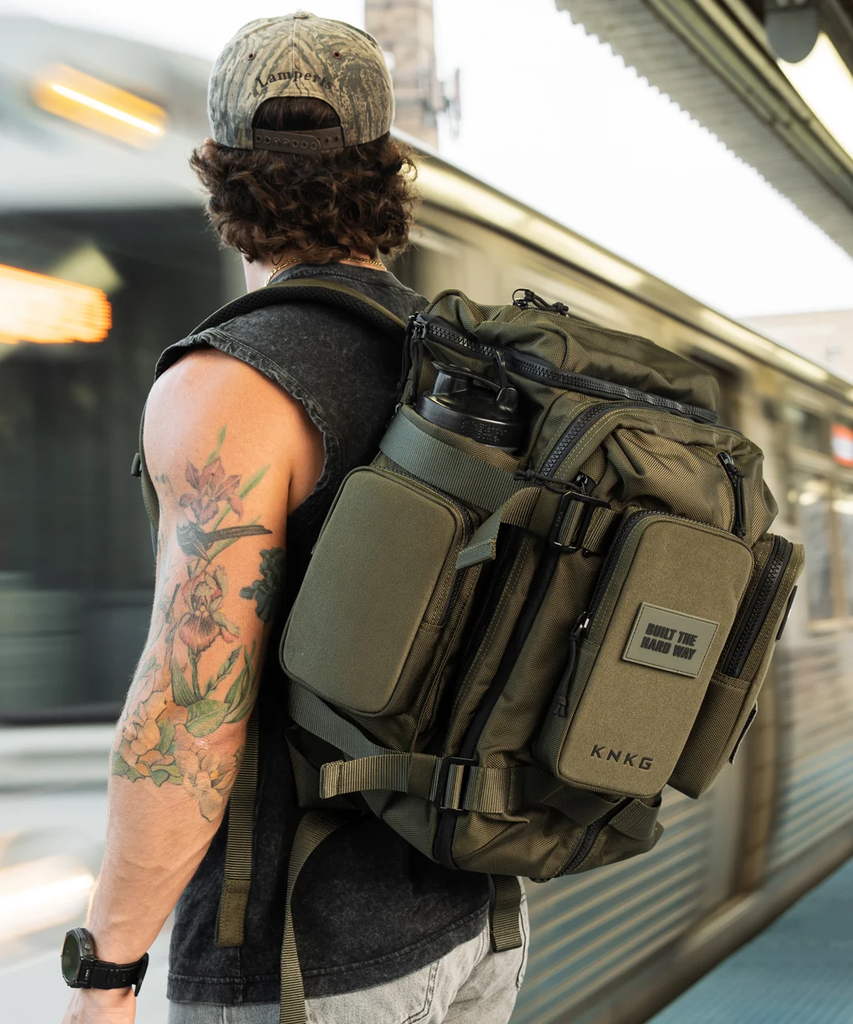
ExtrasFlat-lay opening (Large only), luggage pass-through, 2 bottle pockets, 3D exterior pockets, compression straps, removable chest/belt straps, patch panels
Warranty25 years
ColorsBlack, Graphite, Olive

The headline is organization at volume. It’s big enough to swallow a full day’s worth of stuff, but it’s divided intelligently so “a full day’s worth of stuff” doesn’t become a bottomless pit you dig through at the trailhead.

The office-to-gym (or office-to-trail) case

This is the use it’s built for, and where it’s won me over.

It carries two lives at once. The genius is separation. Your laptop rides in its own padded 16″ sleeve, protected and flat against your back. Your shoes go in a dedicated shoe compartment so the trail dirt and funk stay away from your clean clothes and your electronics. Your lunch, a change of clothes, and the rest fit in the main compartment and the oversized 3D exterior pockets. Everything has a home, which means you’re not unpacking the whole bag to find your socks while your lunch break ticks away.

Easily fits the full kit. To put your exact list to the test: 16″ laptop, lunch, trail shoes, and a change of clothes — all in, all separated, with room to spare before you even expand it. The flat-lay opening (unique to the Large) lets you pack it like a suitcase rather than cramming from the top, which makes loading all of that genuinely fast.

The shoe compartment is the unlock for a lunch-break run. This is the feature that makes the whole workflow possible. Being able to throw dirty trail shoes into a sealed-off space and not contaminate your laptop or your work clothes is exactly what lets one bag go from the office to the trail and back. For the “work outside RMNP, run at lunch” life, it’s the single most important thing in the bag.

Tons of space, smartly divided

Volume is easy; useful volume is hard. KNKG gets the second part right:

  • Main compartment (40→45L): Expandable, so it flexes from a normal workday load to a packed-for-everything haul.
  • Dedicated shoe compartment: Fits up to size 15, keeps the dirty stuff quarantined.
  • Padded laptop sleeve: Up to 16″, flat against your back for protection and comfort.
  • Oversized 3D exterior pockets: For the grab-and-go stuff — keys, wallet, headphones, snacks.
  • Two bottle pockets: Water on one side, shaker or coffee on the other.
  • Compression straps: Cinch the load down when it’s light, and they’ll secure extra gear (KNKG designed them to hold a lifting belt) on the outside.

The result is that you can pack it heavy and still find everything instantly. That’s the difference between a big bag and a good big bag.

Great for travel, too

The same organization that makes it a commuter star makes it an excellent carry-on. It’s right around carry-on size, the flat-lay opening lets you pack it like luggage, and — the sleeper feature — there’s a luggage pass-through sleeve that slides over a roller bag’s handle so you’re not shoulder-carrying it through the airport. The shoe compartment doubles beautifully for travel (dirty shoes away from clean clothes is just as useful on a trip), and the pockets keep your tech, documents, and daily carry sorted. For a weekend away, this is genuinely all you need.

Built to outlast you

A note on construction, because it justifies a chunk of the price. The body is 1680D ballistic nylon — the heavy-duty stuff — with YKK Vislon zippers and powder-coated steel hardware, the components that actually fail on cheaper bags. Backing all of it is a 25-year warranty. This is a buy-it-basically-once bag, and the build quality is evident the moment you handle it.

Honest notes

It’s heavy. At 4.3 lbs empty, this is a substantial bag before you put a single thing in it. That heft is the direct cost of the ballistic nylon and burly hardware — it’s the trade for the durability. If you want an ultralight daypack, this isn’t it, and it’s overkill for someone who just needs to carry a laptop and a notebook.

It’s a lot of bag. 45L is big. For the pack-everything days it’s perfect, but on a minimal day it can feel like more bag than the job needs. If your typical load is smaller, KNKG makes the Apex in a 35L Medium that might be the better everyday size — worth considering before you default to the Large.

The price. $240 is premium for a gym/commuter bag. The construction and warranty make the case that it’s cost-per-year cheap, but the upfront number is real.

Who it’s for

  • Buy it if: you regularly carry work and training gear in the same trip, you want real organization (especially that shoe compartment), you travel carry-on, and you value buy-it-once durability.
  • Consider the 35L Medium if: your daily load is lighter and 45L feels like more than you’ll use.
  • Skip it if: you want a lightweight pack, or you only ever carry a laptop and a few small items.

KNKG Apex Backpack Large: the verdict

The best bag is the one that erases a logistics problem you’d just learned to live with. For me that problem was carrying two bags to live one day — desk in the morning, trail at lunch. The KNKG Apex Large erased it: laptop, lunch, trail shoes, and a change of clothes, all separated, all easy to grab, in a bag tough enough to do it for decades.

At $240 and 4.3 lbs it asks something of you up front, in money and in heft. But if your days refuse to stay in one lane — office, gym, trail, airport — this is the one bag that keeps up with all of them. It’s the pack I now reach for on the days that have everything crammed into them. That’s the highest compliment I give a piece of gear.


FAQ

Is the KNKG Apex Backpack good for commuting from office to gym? Yes — it’s the bag’s core purpose. A padded 16″ laptop sleeve protects your work setup, a dedicated shoe compartment keeps dirty shoes separate, and the large main compartment plus exterior pockets hold a change of clothes, lunch, and training gear all at once.

How big is the KNKG Apex Large? 40L expandable to 45L, measuring 17.7″ × 12.6″ × 11″. It’s roughly carry-on sized for travel.

Does it fit a laptop? Yes, a padded sleeve holds laptops up to 16″.

Does it have a shoe compartment? Yes — a dedicated internal compartment that fits shoes up to size 15, keeping them separated from your clothes and electronics.

Is it good for travel? Very. It’s near carry-on size, opens flat-lay for easy packing, and has a luggage pass-through sleeve to slide over a roller bag handle. The shoe compartment and organized pockets work just as well on a trip as on a commute.

How much does it weigh? 4.3 lbs (1.9 kg) empty — on the heavier side, a trade-off for its ballistic-nylon durability.

How durable is it, and is there a warranty? It’s built from 1680D ballistic nylon with YKK zippers and steel hardware, backed by a 25-year warranty against defects.

Should I get the Large (45L) or Medium (35L)? Choose the Large if you routinely pack work plus gym/trail gear or travel with it; the 35L Medium is the better pick if your daily load is lighter.

How much does it cost? $240, available in Black, Graphite, and Olive.

Tracksmith Eliot Ryder Review: The Max-Cushion Trainer That Actually Feels Like Running on a Cloud

Quick verdict: The Tracksmith Eliot Ryder ($220) is the plushest, most comfortable trainer I’ve run in this year — a genuine “running on a cloud” shoe that hides 45mm of supercritical foam inside a silhouette that looks like a normal running shoe. Built around one of the largest drop-in midsoles in the sport, it’s a max-cushion daily trainer made for exactly one job better than any other: soaking up the long, repetitive miles of fall marathon training and leaving your legs intact. It’s not a speed shoe and it’s not cheap, but if you’re logging big mileage this season, it’s close to perfect.


Marathon training in the fall is a grind of accumulation. The long runs get longer, the easy miles pile up, and the thing that eventually breaks down isn’t your fitness — it’s your legs, from the sheer volume of impact. The right trainer for this stretch of the year isn’t the fastest one. It’s the one that protects you run after run so you can show up and do it again tomorrow. That’s where the Eliot Ryder lives, and after a block of fall miles in it, it’s become my go-to for the long stuff.

What is the Tracksmith Eliot Ryder?

Tracksmith built its reputation on apparel, then on the Eliot footwear line — the Runner (daily trainer) and the carbon-plated Racer (race day). The Ryder is the newest piece and the brand’s first true max-cushion trainer. The essentials:

SpecDetail
Price$220
Weight9.5 oz (men’s 9 / women’s 11)
Stack height45mm heel / 37.5mm forefoot
Drop7mm
Midsole25mm supercritical ATPU drop-in (85% resiliency) + secondary foam midsole
PlateNone
BuildRockered geometry, supercritical stabilizing chassis, woven upper, suede overlays, net-mesh rubber outsole
Best forEasy long runs, recovery runs, daily training, all-day wear
FitTrue to size; snug heel/midfoot, roomier forefoot

The signature move here is the drop-in midsole — instead of stacking all the foam under the shoe like a visible platform, Tracksmith tucks a 25mm slab of supercritical ATPU inside the shell, sitting right under your foot on top of a foam foundation. The result is a shoe with 45mm of cushion that doesn’t look or feel like you’re teetering on stilts.

The “running on a cloud” claim, examined

I’m usually skeptical of the cloud comparison because every cushioned shoe claims it. This one earns it, and it’s worth understanding why, because the feel is genuinely different from a typical pillowy max-cushion shoe.

The drop-in foam sits directly against your foot. Most of the plush cushioning lives above the chassis rather than below it, so the softness is the first thing you feel on every footstrike — a soft, immediate give that the reviews across the board describe as buttery and quiet. It’s a tender, enveloping ride rather than a bouncy, aggressive one.

It’s soft without feeling dead. That ATPU slab is rated around 85% resiliency, so it absorbs impact but gives energy back, which keeps the softness from turning into the flat, sinking mush that plagues a lot of max-cushion trainers deep into a long run.

The rocker keeps you moving. A smooth rockered geometry rolls you heel-to-toe so the big stack never feels clunky. The cloud feeling is real, but it’s a cloud that keeps rolling forward instead of swallowing your stride.

Fall marathon training: where it shines

This is the shoe’s purpose, and it’s where I’ve leaned on it.

It protects your legs on the long stuff. The whole point of 45mm of resilient foam is impact protection, and over 16, 18, 20-mile training runs, that protection is the difference between trashed legs and legs that can handle the next session. This is a bank-the-miles shoe, and it does that better than anything else in my current rotation.

It’s shockingly light for the cushion. At 9.5 oz it undercuts its max-cushion rivals meaningfully — the Hoka Bondi 9 is about 10.5 oz, Nike’s Vomero Premium north of 12 oz. That weight savings, plus the lower-feeling center of gravity from the drop-in design, makes the Ryder feel more nimble than a shoe with this much foam has any right to. You get the protection without the pillow-on-your-feet sluggishness.

The wider toe box earns its keep late in runs. Tracksmith widened the forefoot versus the original Eliot Runner, which gives your foot room to splay and swell on long efforts — a genuine comfort upgrade when you’re three hours in.

It handles double duty. Because it looks like a normal shoe rather than a foam monster, it’s equally at home as the thing you wear all day on your feet between runs. For recovery and general standing-around life during a heavy training block, that versatility matters.

Honest notes

It’s a trainer, not a racer. No plate, 45mm of soft foam — this is built for comfort and protection, not speed. It’s superb for easy and long runs, but for tempo work, track sessions, or race day you’ll want something lighter and snappier (Tracksmith’s own carbon-plated Eliot Racer is the sibling built for that). Bring the Ryder for the volume, not the velocity.

Some runners will find it too soft. The flip side of that plush drop-in is that firmer-preference runners have found it a touch spongy and would want more ground feel. If you like a responsive, connected ride, demo before you commit.

Dial in the forefoot fit. It runs true to size with a snug heel and a roomier front. A couple of reviewers flagged forefoot fit issues on very long runs (the classic black-toenail problem), so get the lockdown and length right, especially if you’re using it for your longest efforts.

The price. $220 is premium, and the Eliot line generally offers a narrower size/width range than the big shoe brands. You’re paying partly for Tracksmith’s design and aesthetic — which, to be fair, is genuinely the best-looking shoe in the max-cushion category by a wide margin.

Who it’s for

  • Buy it if: you’re logging long training miles (marathon blocks especially), you want maximum comfort and leg protection, you value a plush ride, and you want a cushioned shoe that doesn’t look like one.
  • Skip it if: you want a fast/race shoe, you prefer a firm responsive ride, or you need a wide range of width options.

Tracksmith Eliot Ryder: the verdict

The best training shoe isn’t the one that makes you fast — it’s the one that keeps you running day after day through a hard block. For fall marathon training, the Eliot Ryder does exactly that: it turns the long, punishing miles into something your legs can actually absorb, and it does it with a soft, rolling, cloud-like ride that genuinely lives up to the cliché. It’s light for the category, it’s beautifully made, and it looks as good off the run as on it.

At $220 it’s an investment, and it’s a specialist — bring it for the volume and leave the speed to another shoe. But for the job it’s built for, banking comfortable miles, it’s the most enjoyable trainer I’ve laced up this season. It’s the one I now reach for on long-run day without thinking about it.


FAQ

Is the Tracksmith Eliot Ryder good for marathon training? Yes — it’s arguably its ideal use. The 45mm of resilient supercritical foam protects your legs across long, high-volume training runs, while a relatively light 9.5 oz weight keeps it from feeling sluggish. It’s a long-run and daily-mileage shoe rather than a race-day shoe.

Does the Eliot Ryder have a carbon plate? No. It’s an unplated max-cushion trainer built for comfort and protection. For a plated race shoe, Tracksmith offers the Eliot Racer.

How much cushion does it have? 45mm at the heel and 37.5mm at the forefoot (7mm drop), including a 25mm supercritical ATPU drop-in midsole — one of the largest drop-in setups in running.

How much does the Tracksmith Eliot Ryder weigh? About 9.5 oz in a men’s size 9 (women’s 11), which is light for a max-cushion shoe — lighter than the Hoka Bondi 9 and considerably lighter than the Nike Vomero Premium.

Is it true to size? Generally yes, with a snug heel and midfoot and a slightly roomier forefoot. Narrow-footed runners may find it spacious; dial in the fit before long efforts.

How much does it cost? $220 at tracksmith.com.

Is it good for everyday wear? Yes. Because the cushioning is hidden in a sleek profile, it works well as an all-day comfort shoe in addition to a trainer — handy during a heavy training block.