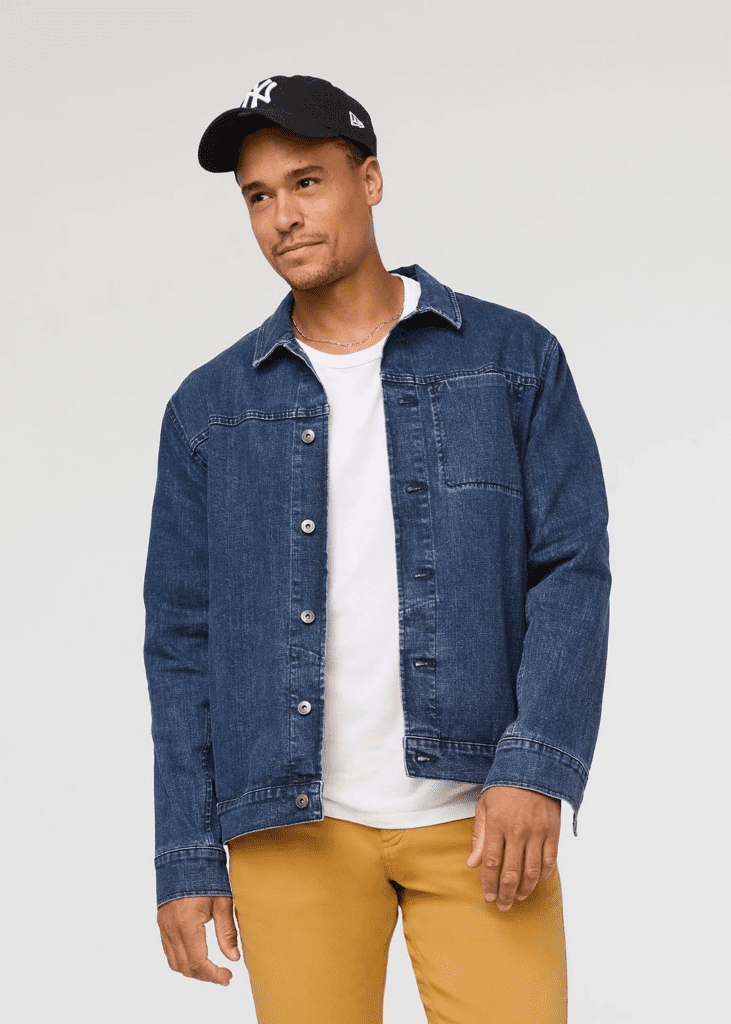
After years of searching for the ideal denim jacket, I’ve finally found a winner in the DUER Stay Dry Denim Jacket. This classic-looking piece combines timeless style with modern performance features, making it a versatile addition to any wardrobe.
Comfort and Mobility
DUER Stay Dry Denim Jacket
The slim fit of this jacket offers a sleek silhouette without sacrificing comfort. Thanks to its built-in stretch fibres, I experience unrestricted movement throughout the day. Whether I’m reaching for a trail map or raising a glass with friends, the jacket moves with me effortlessly.
Weather-Ready Performance
What sets this jacket apart is its ability to adapt to changing weather conditions. The DWR (Durable Water Repellency) treatment is a game-changer, repelling water and allowing me to stay dry during unexpected drizzles. This feature, combined with the jacket’s moisture management properties, makes it perfect for unpredictable weather during seasonal transitions.
Versatility for Every Adventure
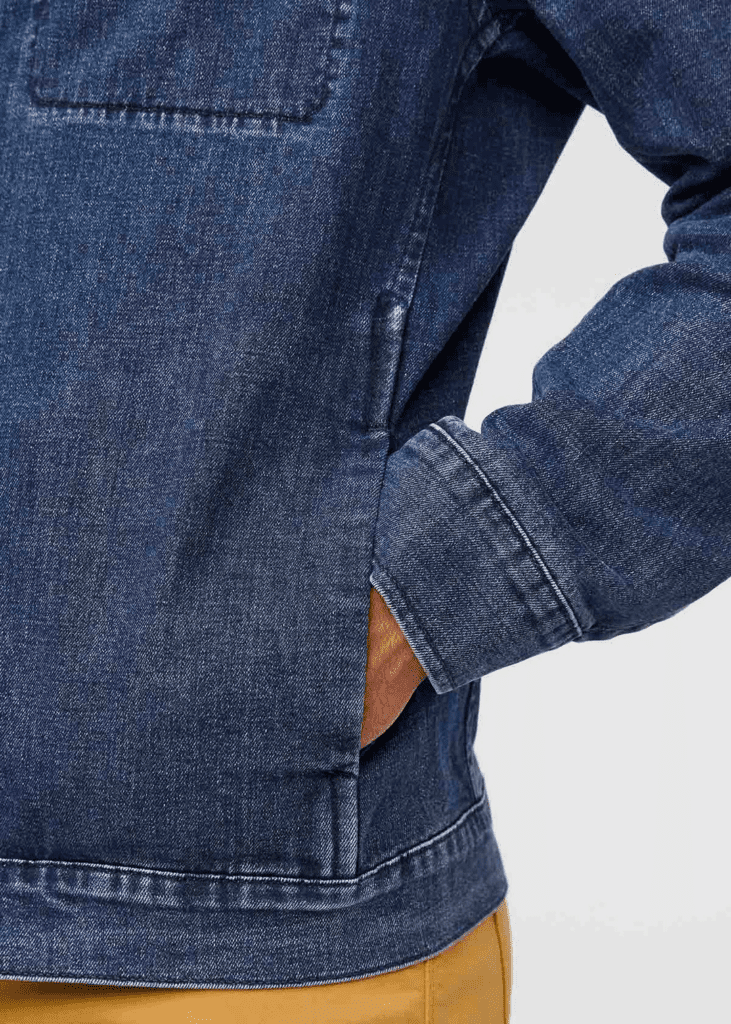
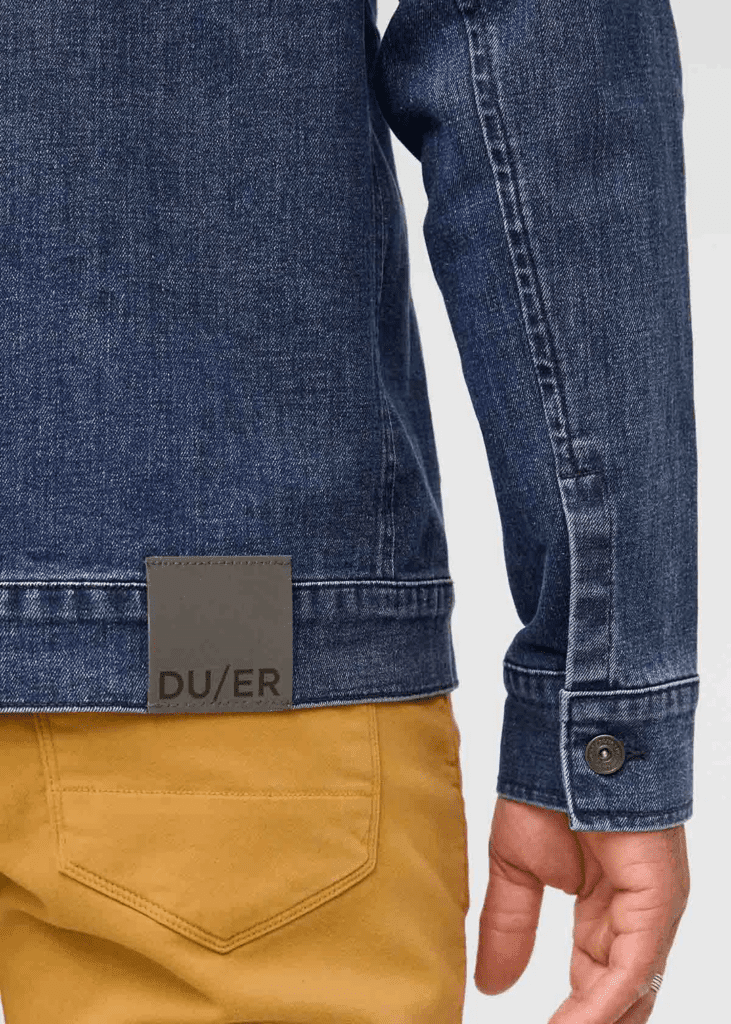
DUER Stay Dry Denim Jacket
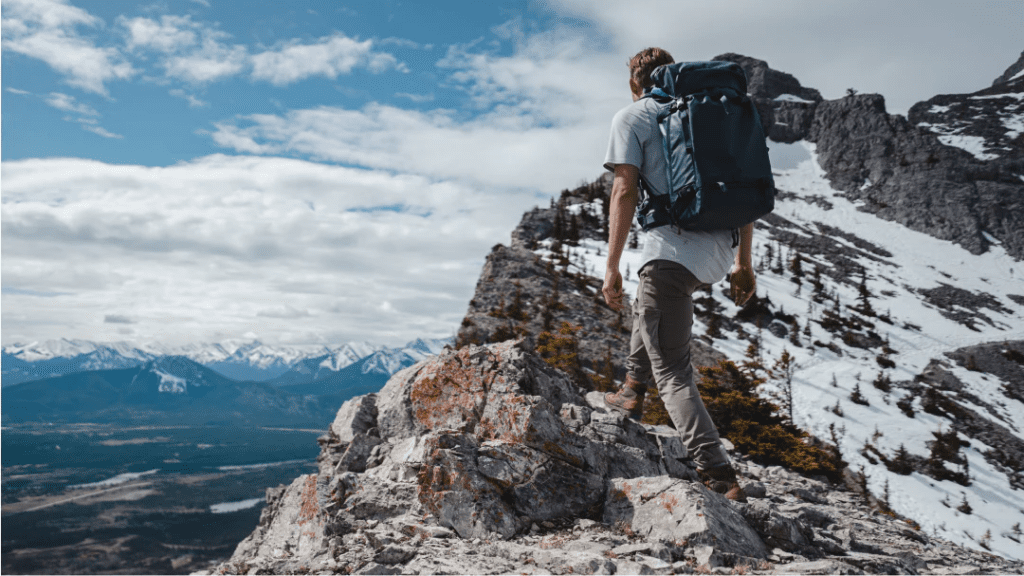
I’ve found this jacket to be incredibly versatile. It’s become my go-to for cool morning hikes, providing just the right amount of warmth without overheating. It’s equally at home during picnics by St. Mary’s Lake in Estes Park, where its classic look fits right in with the scenic surroundings.
The jacket’s simple, timeless design allows for seamless transitions from outdoor activities to evenings out. I can go from a day of exploration to a night on the town without missing a beat or feeling out of place.
Thoughtful Details
DUER has included some clever features that enhance the jacket’s functionality:
Reflective detailing for increased visibility during low-light conditions
A trim fit through the chest that sits just around the waistband, offering a modern silhouette
Midweight denim that provides the perfect balance between the durability of performance denim and the look and feel of traditional denim
Final Thoughts
The DUER Stay Dry Denim Jacket is a testament to how traditional style can be enhanced with modern technology. It’s a comfortable, functional, and stylish piece that doesn’t overcompicate things with unnecessary features. Whether you’re an outdoor enthusiast or simply someone who appreciates a well-crafted denim jacket, this piece is worth considering. It’s quickly become an essential part of my wardrobe, ready for whatever adventure comes my way.
Are you an outdoor enthusiast looking for the perfect pair of pants that can keep up with your active lifestyle? Look no further than the DUER Live Free Adventure Pant. These versatile pants are designed to seamlessly transition from trail to town, making them an essential addition to any adventurer’s wardrobe.
DUER Live Free Adventure Pant
Comfort Meets Performance
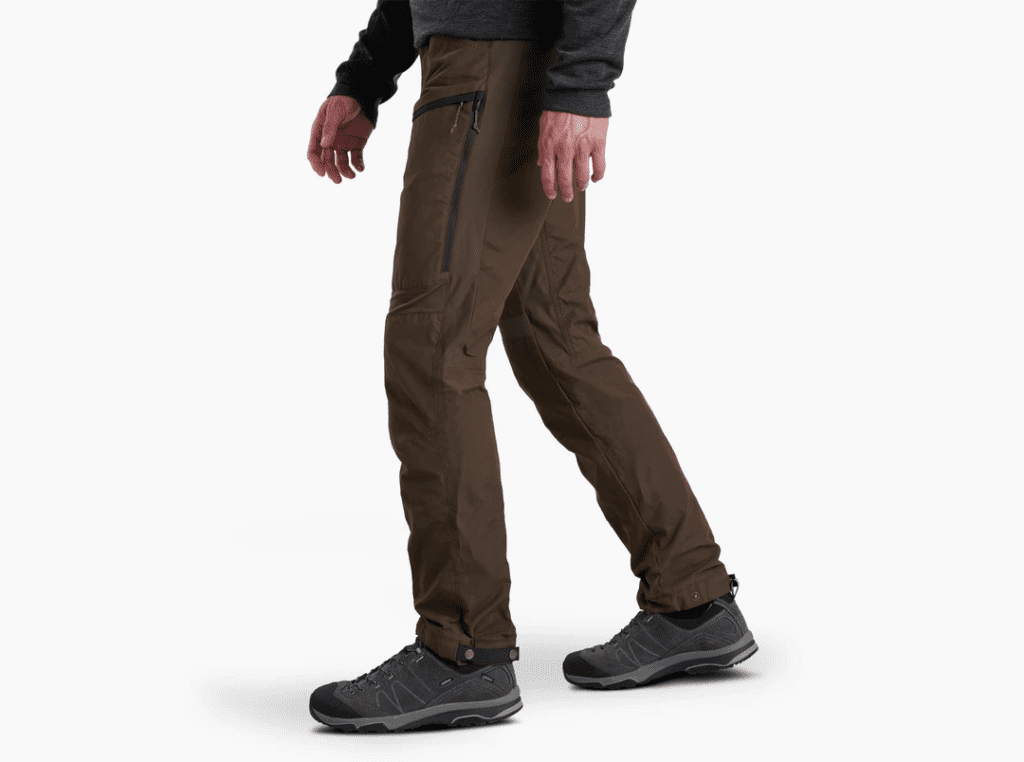
The Live Free Adventure Pant combines comfort and performance in a way that sets it apart from traditional outdoor gear. With a relaxed fit through the hip and thigh and a tapered leg, these pants offer the perfect balance of style and functionality. The tapered ankle design is particularly beneficial for:
Morning bike commutes: Keep your pants clear of the chain and gears
Hiking: Prevent snagging on underbrush and rocks
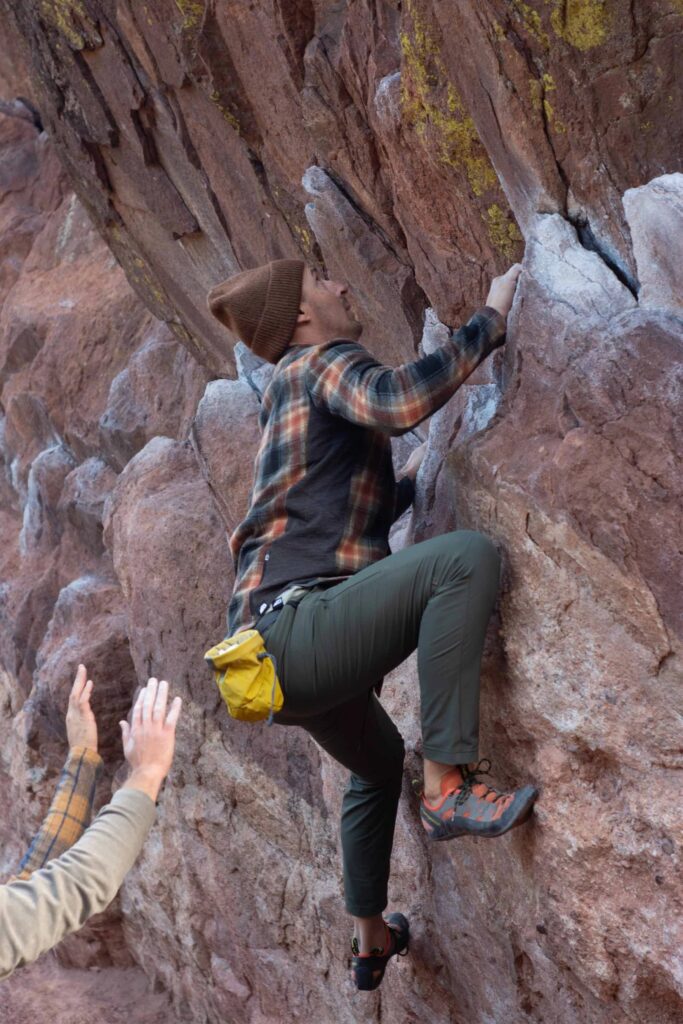
Climbing: Improved visibility of foot placement
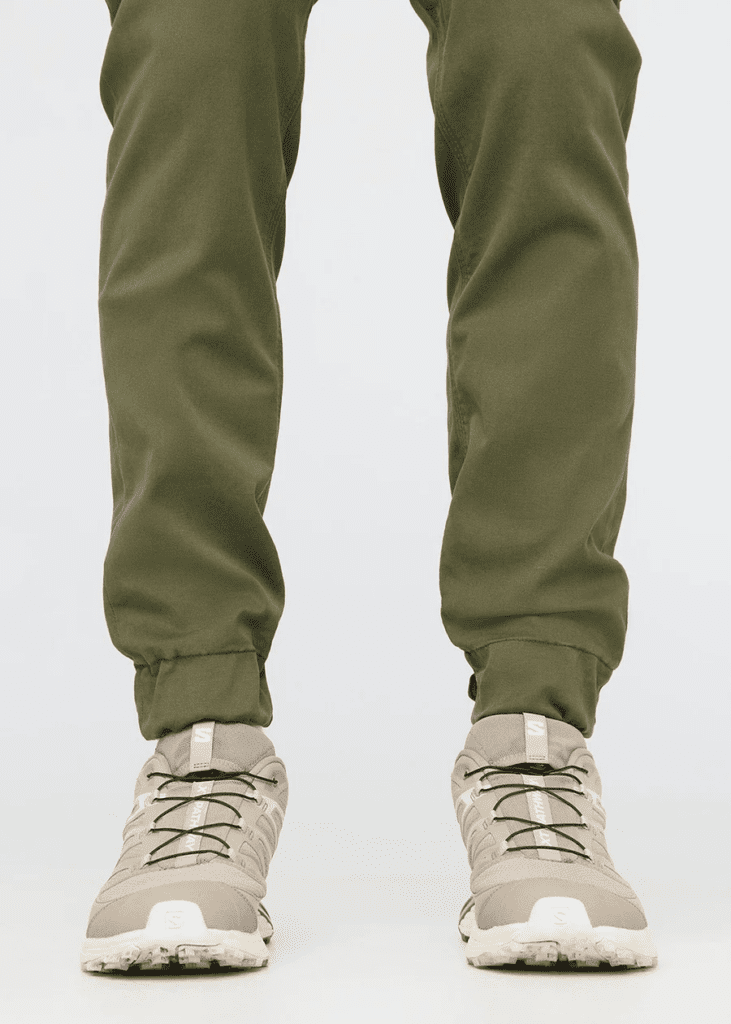
What’s more, the adjustable snap cuffs allow you to customize the fit based on your activity or personal style preference.
Built for Adventure
DUER Live Free Adventure Pant
DUER has packed these pants with features that make them ideal for a variety of outdoor activities:
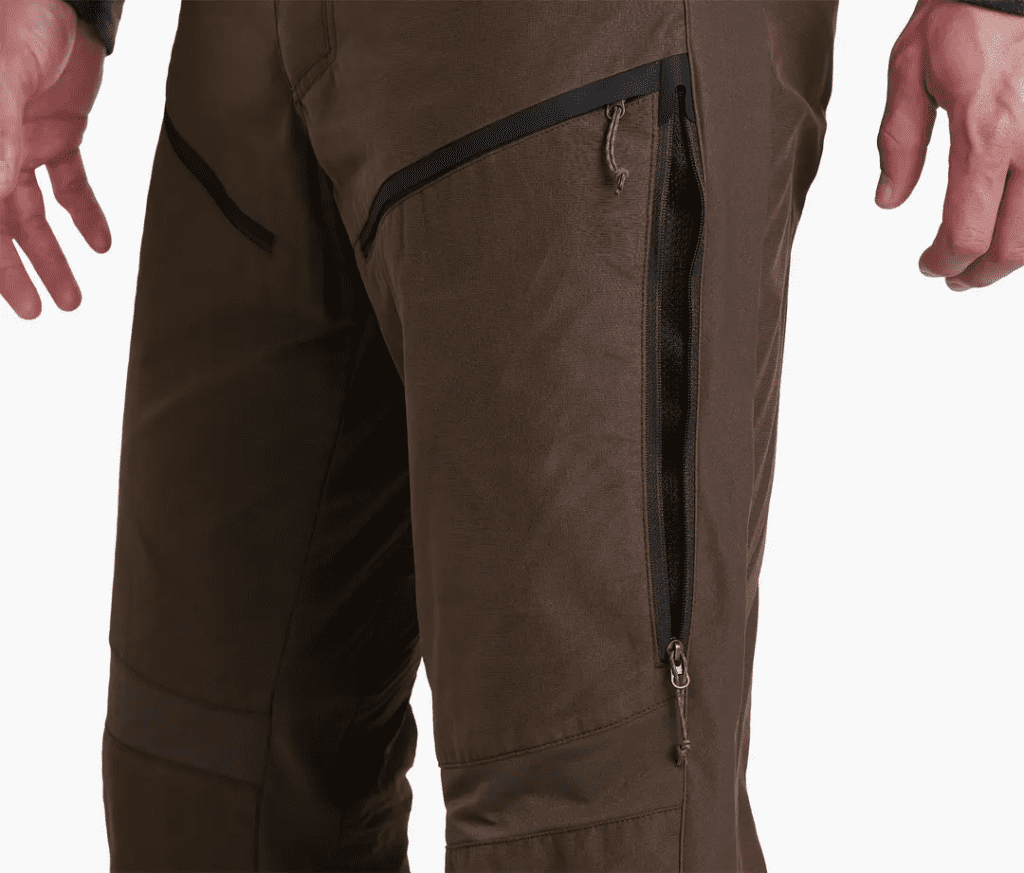
Water Resistance: The DWR (Durable Water Repellency) treatment helps repel rain, keeping you dry during unexpected showers or light rain.
Enhanced Mobility: The signature gusset and stretch fibers provide an extended range of movement, perfect for activities like rock climbing, hiking, or yoga in the park.
Durability: Triple-stitched seams and a reinforced seat ensure these pants can withstand the wear and tear of your adventures.
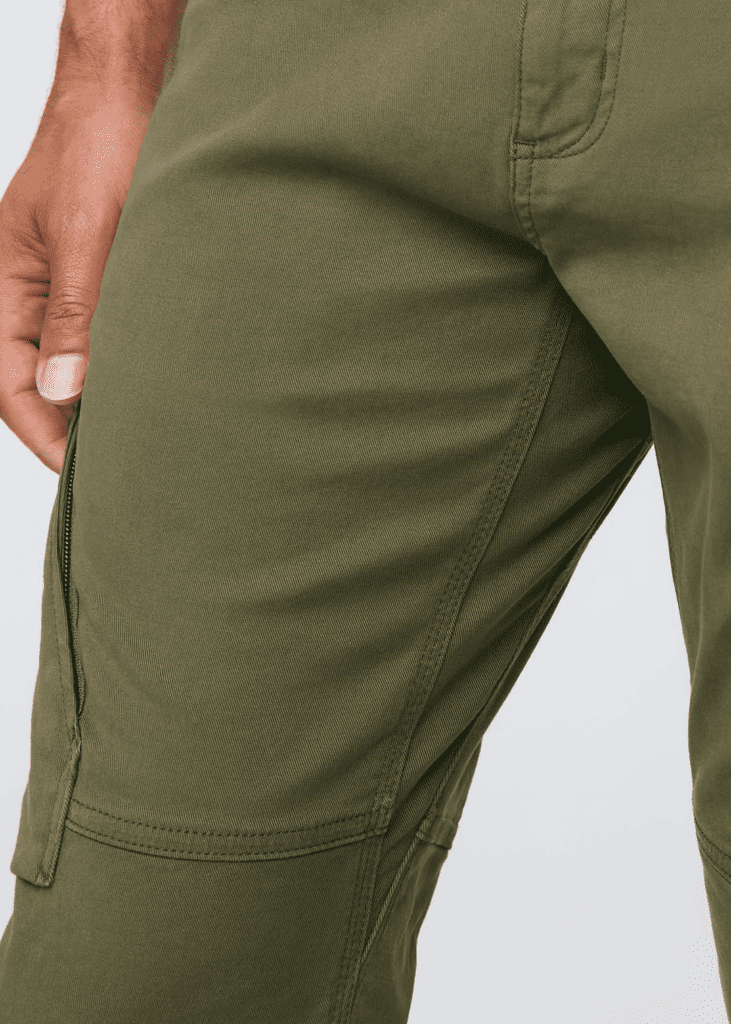
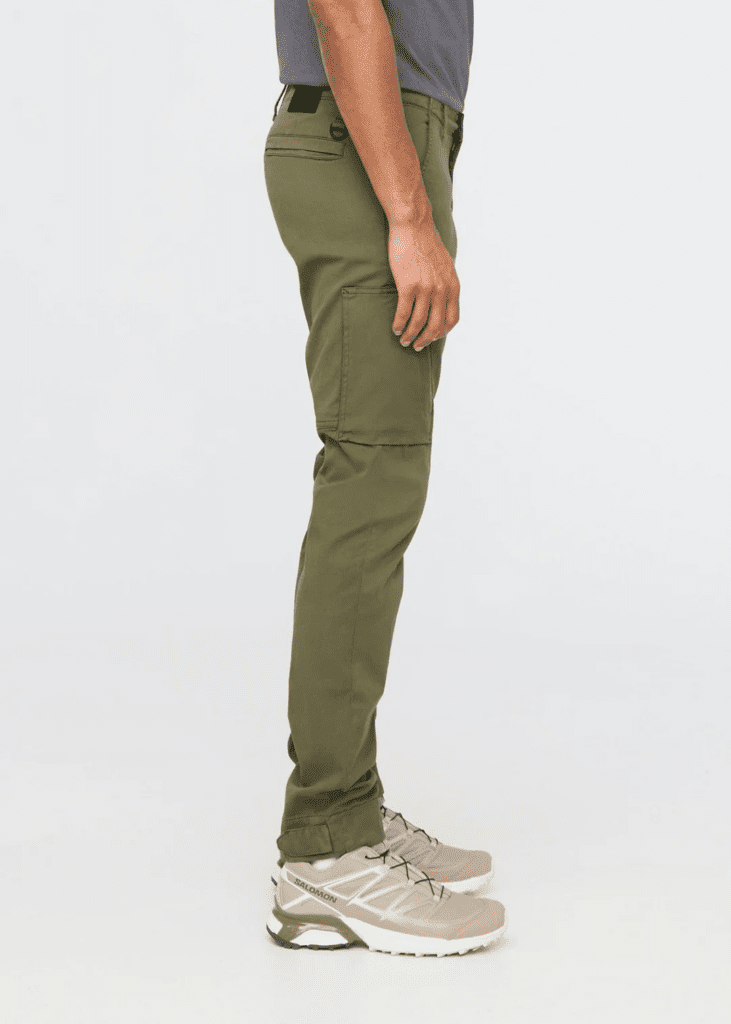
Smart Storage: Sleek zippered cargo pockets offer secure storage for your essentials, while the key ring keeps your keys safe during activities.
Versatility for Every Occasion
DUER Live Free Adventure Pant
Whether you’re hitting the trails, cycling through the city, or meeting friends for a post-hike dinner, the Live Free Adventure Pant has you covered. Its stylish design allows for a seamless transition from outdoor activities to casual social settings. Some perfect use cases include:
Day hikes followed by a visit to a local brewery
Rock climbing sessions that end with a cafe stop
Bike tours through scenic towns
Casual Fridays at the office that lead into weekend camping trips
Eco-Friendly and Comfortable
The Live Free Adventure Pant isn’t just about performance; it’s also about sustainability and comfort. The plant-based lyocell fabric offers:
Natural antibacterial properties
Excellent moisture-wicking capabilities
A soft, comfortable feel against the skin
This eco-friendly material choice aligns with the values of environmentally conscious outdoor enthusiasts.
A Fit for Athletic Builds
DUER Live Free Adventure Pant
For those with athletic builds who often struggle to find well-fitting pants, the Live Free Adventure Pant offers a solution. While designed to be slim on an athletic build, these pants provide ample room in the thighs and seat, tapering down to a sleek ankle. This design ensures a flattering fit without sacrificing comfort or mobility.
Conclusion
The DUER Live Free Adventure Pant is more than just a piece of clothing; it’s a versatile tool for the modern adventurer. Whether you’re scaling mountains, exploring urban landscapes, or anything in between, these pants are up for the challenge. With their combination of style, comfort, and functionality, they’re sure to become a staple in your outdoor gear collection.
So why wait? Gear up with the DUER Live Free Adventure Pant and embrace the freedom to live your adventures to the fullest, no matter where they take you.
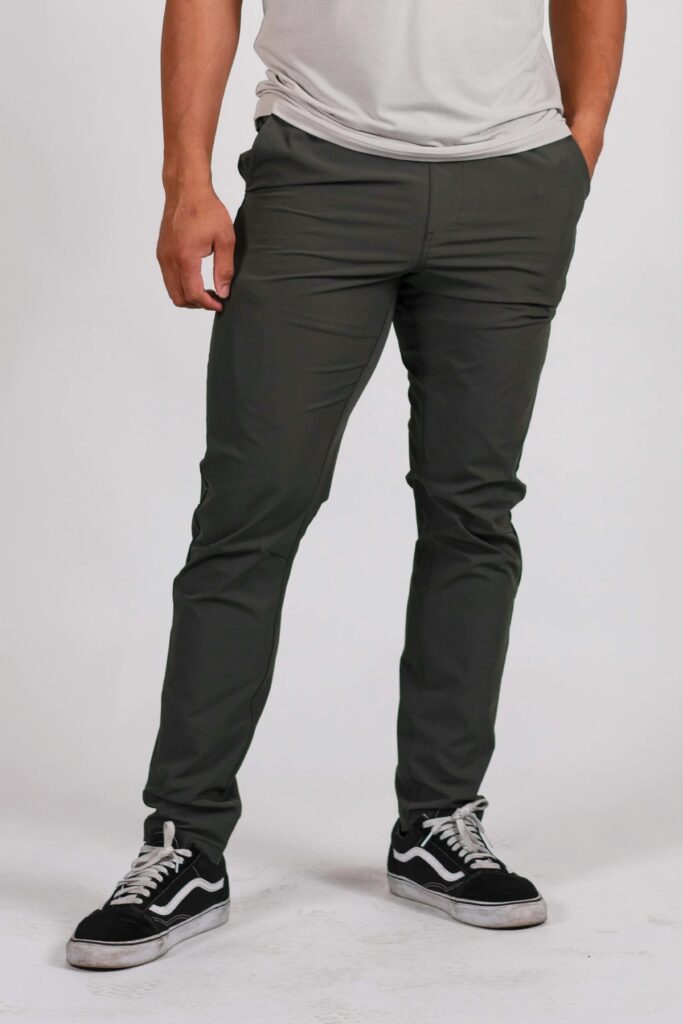
Belong Designs Rocky Mountain Pants: Seamlessly transition from office meetings to mountain trails with these versatile, stylish adventure pants.
The Belong Designs Rocky Mountain Pants redefine versatile outdoor apparel, seamlessly blending style and function for the modern adventurer. These all-day comfort pants are designed to take you from the office to the trail and beyond, making them an essential addition to any active wardrobe.
Versatility at Its Core
What sets these pants apart is their incredible adaptability. The stylish design allows you to show up at the office looking professional, then head out for a lunchtime hike without missing a beat. The quick-drying fabric ensures you’re comfortable and presentable for evening plans, truly embodying the concept of versatile adventure clothing.
Technical Features for Peak Performance
Stay dry and comfortable on any outdoor excursion with the water-resistant, quick-drying Rocky Mountain Pants from Belong Designs
Crafted from a durable ripstop nylon blend (92% ripstop nylon, 8% spandex), these lightweight outdoor pants offer exceptional stretch and mobility. The water-resistant DWR finish adds protection against light rain and stains, making them ideal for unpredictable weather during hikes or travel.
Comfort Meets Functionality
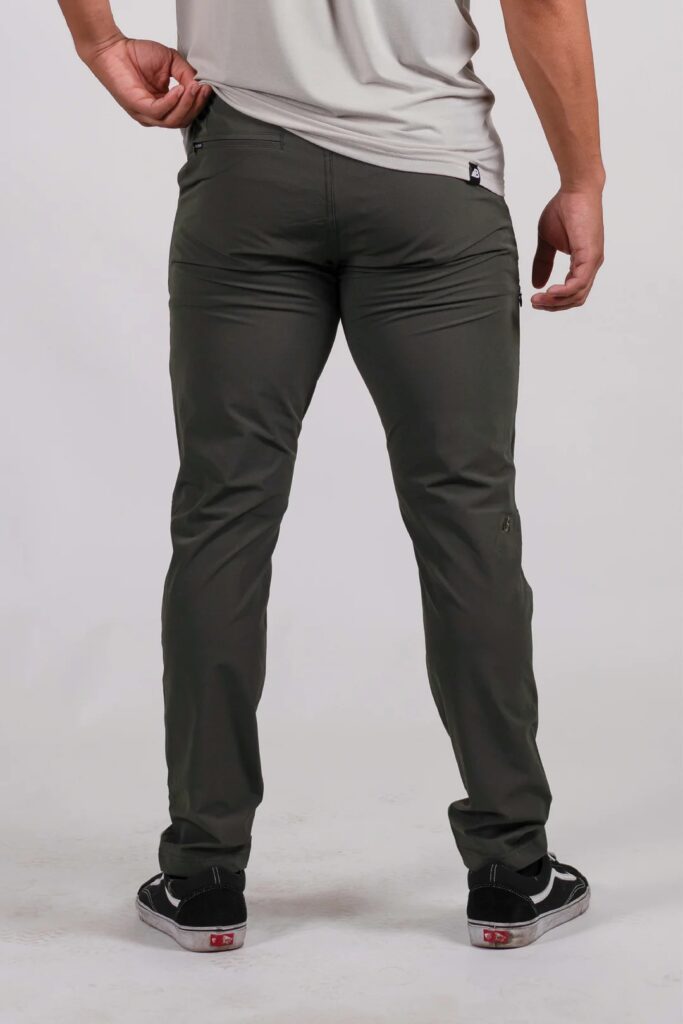
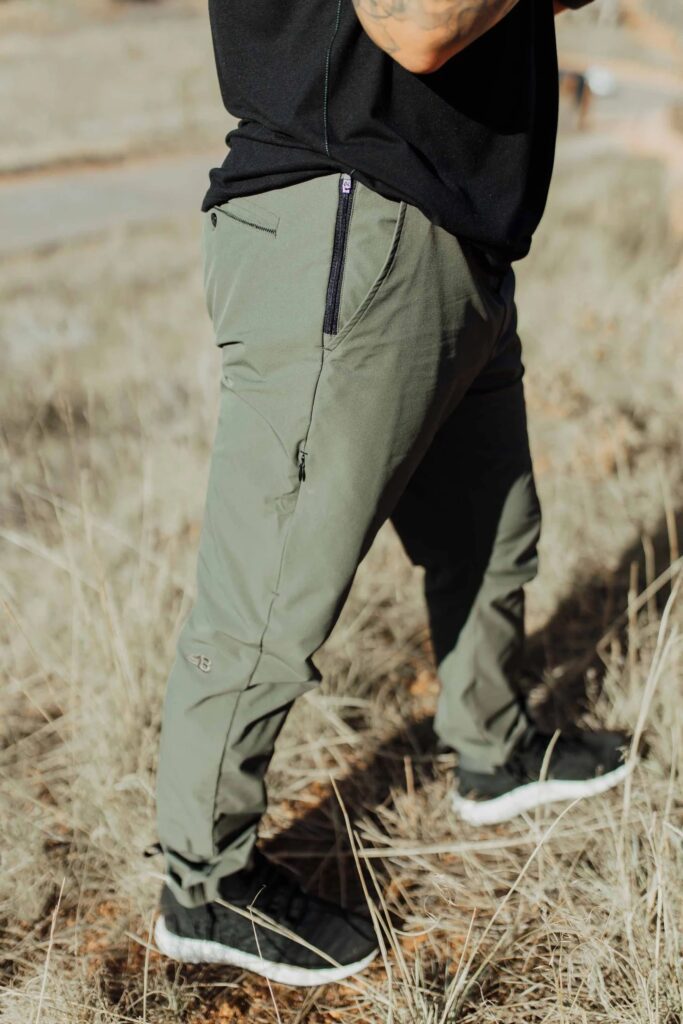
The Rocky Mountain Pants excel in providing all-day comfort. The stretchy fabric moves with you, whether you’re climbing stairs to a meeting or scrambling up a rocky trail. Multiple zippered pockets, including hidden security pockets, keep your essentials safe during any activity.
Durability for the Long Haul
Experience all-day comfort and unrestricted movement with the stretchy, lightweight fabric of Belong’s Rocky Mountain Pants
These aren’t just stylish adventure pants; they’re built to last. The ripstop nylon fabric resists tears and abrasions, standing up to the rigors of outdoor pursuits while maintaining a polished look for urban environments.
Performance in Various Settings
Office: Sleek enough for business casual environments
Hiking: Stretchy, quick-drying, and comfortable for long treks
Travel: Lightweight, wrinkle-resistant, and versatile for various climates
Social Outings: Stylish enough for dinner or drinks after a day of adventure
Final Verdict
Travel smart and secure with Belong Rocky Mountain Pants, featuring multiple zippered pockets for your essentials on any adventure
The Belong Designs Rocky Mountain Pants are a game-changer in versatile outdoor pants. They offer the rare combination of technical performance, all-day comfort, and style versatility. Whether you’re navigating urban landscapes or exploring mountain trails, these pants rise to the occasion. For those seeking multi-activity performance wear that doesn’t compromise on style or function, the Rocky Mountain Pants are an excellent investment in your active lifestyle.
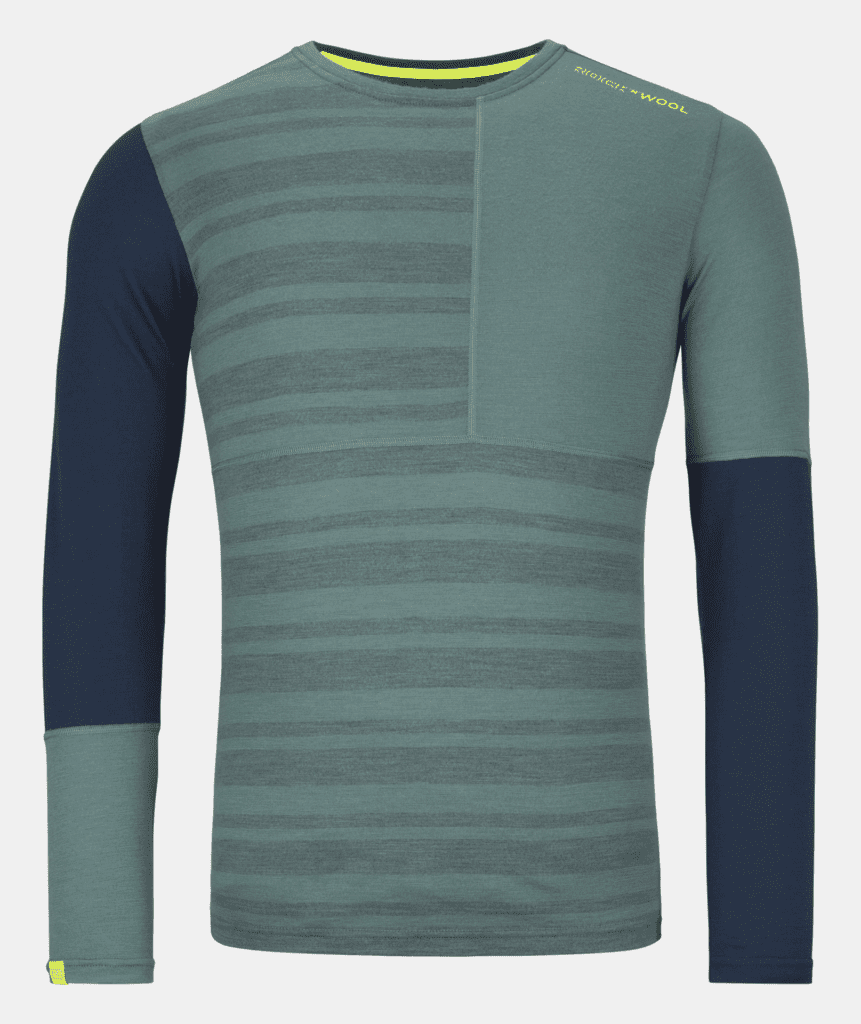
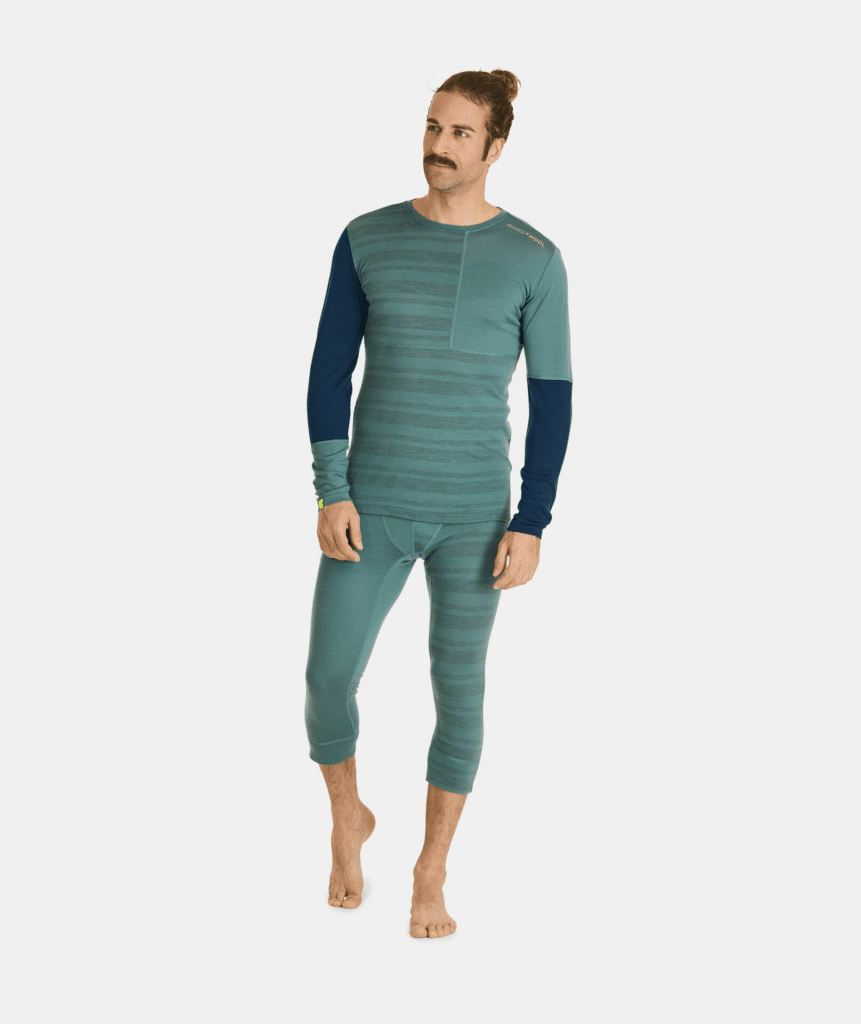
During my winter camping trip, the Ortovox 185 Rock’n’wool Long Sleeve proved to be a game-changer. These baselayers are exceptionally comfortable, and their ability to keep me warm without causing overheating was impressive.
The secret lies in the fine merino wool fibers, measuring just 19 microns. This material feels soft against the skin and regulates both temperature and moisture. Whether I was hiking through snow-covered trails or setting up camp, the long sleeve maintained an optimum climate.
Beyond functionality, the 185 Rock’n’wool Long Sleeve boasts a fresh new look. The split, asymmetrical design and vibrant colors with multi-colored twisted yarn add a touch of style to my winter adventures. It’s a classic that’s both practical and fashionable—a must-have for mountain enthusiasts.
Ortovox 185 Rock’n’wool Short Pants
Ortovox 185 Rock’n’wool Short Pants
The Ortovox 185 Rock’n’wool Short Pants were my trusty companions during chilly weather. Made from fine merino wool (also 19 microns), these 3/4 pants kept me warm without feeling bulky.
Freeriding demands a solid base layer, and these short pants deliver. They’re comfortable against the skin and excel at regulating temperature and moisture. Whether I was carving through powder or trekking up snowy slopes, the Ortovox quality shone through.
The split design and fresh colors, combined with the on-trend waistband, make these short pants stand out. Ortovox understands that winter adventures are multifaceted, and their 185 Rock’n’wool Short Pants are an absolute must for any freeride enthusiast.
In summary, Ortovox has nailed the balance between performance and style with their Rock’n’wool baselayers. Thank you for sharing your experience, and here’s to many more comfortable and odor-free adventures!
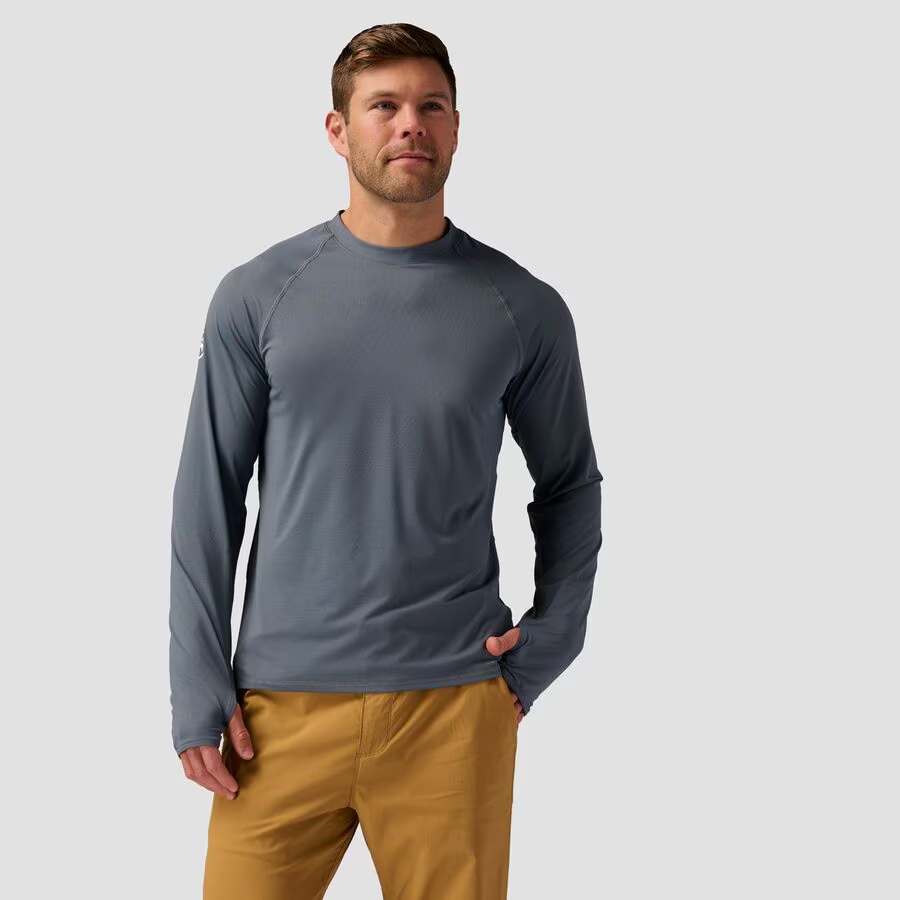
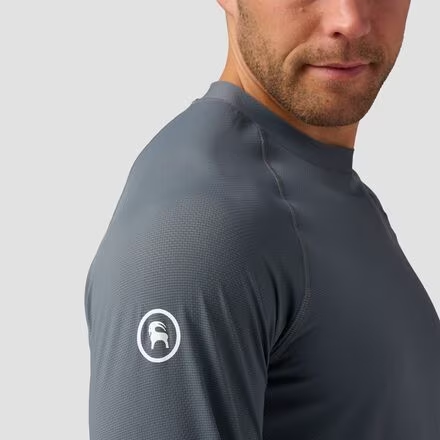
As the mountains beckon with the arrival of spring, the Backcountry Tahoe Sun Crew emerges as a must-have for any outdoor enthusiast. Designed for those who seek the thrill of trail running or the tranquility of lakeside relaxation, this hoodless sun hoodie is a versatile addition to any adventurer’s wardrobe.
Backcountry Tahoe Sun Crew
Thoughtful Design
The Tahoe Sun Crew offers maximum sun protection with its UPF 50+ fabric, shielding you from harmful UV rays. Whether you’re fishing in the bright sun or hiking through desert landscapes, you can trust this shirt to keep you protected.
Performance-Oriented
The fabric’s moisture-wicking capabilities ensure that you stay dry and comfortable as you work up a sweat. It dries quickly, which is essential when you’re on the move, and the added stretch provides performance flexibility for activities like casting and paddling.
Backcountry Tahoe Sun Crew
Casual Yet Functional
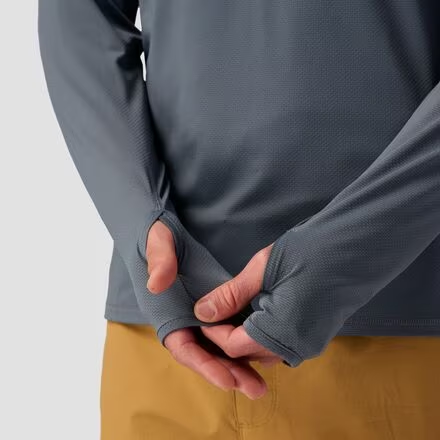
The thumbholes are a clever feature, preventing the sleeves from sliding up and maintaining coverage. Gearhead® Expert Jessie points out that by ditching the hood, the Tahoe Sun Crew gains versatility, offering unbeatable coverage while maintaining a casual appearance.
Lightweight and Comfortable
This sun crew is the lightweight counterpart to the traditional sun hoodie, providing all the benefits without the bulk. It’s perfect for those who want sun protection without the weight, making it an ideal choice for your upcoming camping trip to Yellowstone.
Backcountry Tahoe Sun Crew
In Summary
The Backcountry Tahoe Sun Crew is a smart choice for anyone looking for reliable sun protection without sacrificing comfort or style. It’s a piece that will accompany you on your summer adventures, ensuring that you’re well-equipped to face the sun’s rays head-on.
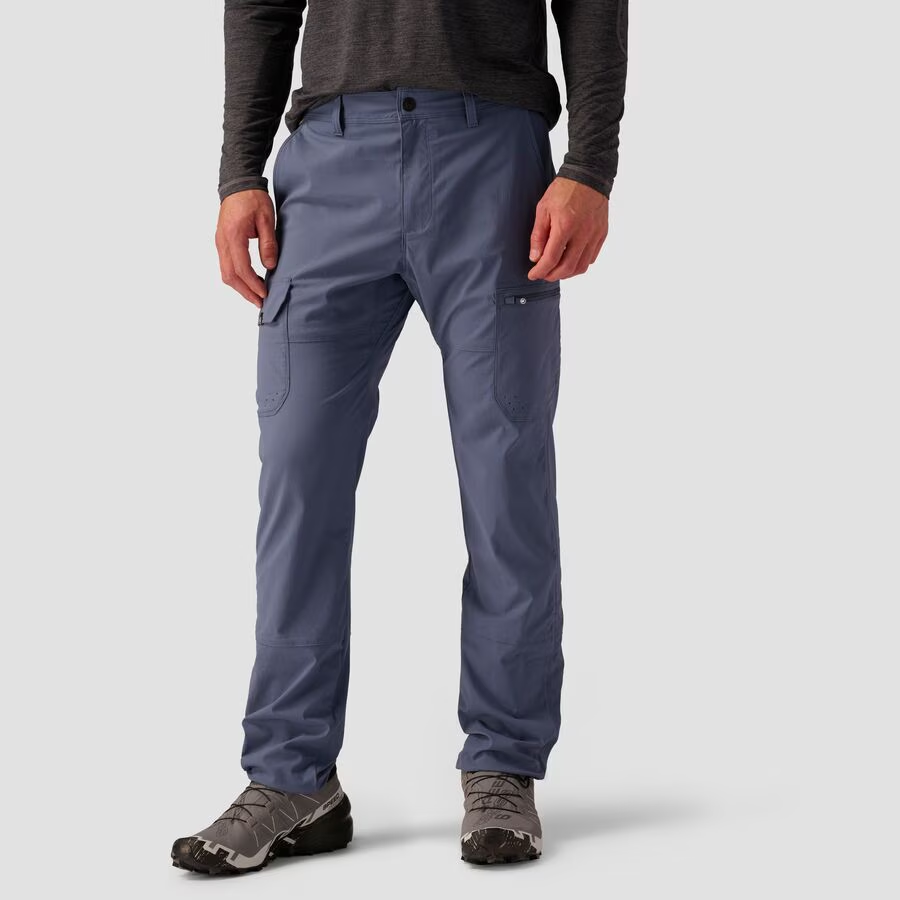
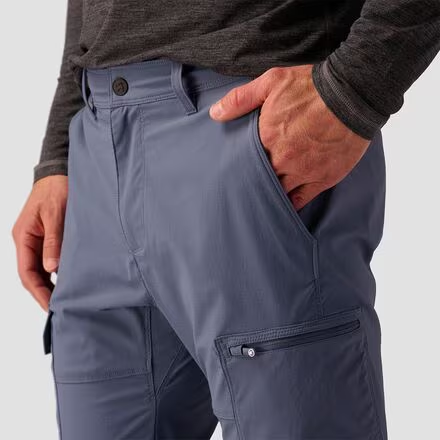
The Backcountry Wasatch Ripstop Trail Pant is designed for adventurers who want to explore beyond their backyard trails. These featherweight pants strike a balance between durability and mobility, making them ideal for hiking and camping.
Backcountry Wasatch Ripstop Trail Pant
Eco-Friendly Performance
Made from a recycled performance blend, these pants not only provide comfort but also contribute to environmental sustainability. The fabric’s eco-friendly properties allow you to move freely while minimizing your ecological footprint.
Weather-Ready
The water-repellent finish ensures that light precipitation won’t dampen your outdoor experience. Whether you encounter a passing drizzle or dewy grass, these pants keep you dry and comfortable.
Backcountry Wasatch Ripstop Trail Pant
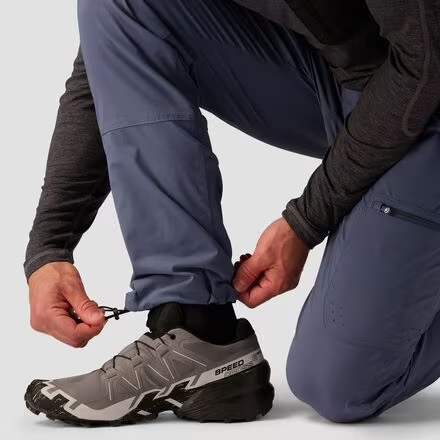
Customizable Fit
The adjustable leg hems allow you to cinch in the pants for a low-profile, snag-free fit. No more worrying about loose fabric getting caught on branches or rocks during your hikes.
Backcountry Wasatch Ripstop Trail Pant
Practical Storage
Cargo pockets provide ample storage space for your on-trail essentials. Keep your phone, trail map, or energy bars within easy reach without compromising comfort.
Convenient Locker Loop
The side locker loop is a thoughtful addition. When you’re taking a break or setting up camp, hang your pants securely using the loop. It’s a small detail that adds convenience to your outdoor adventures.
Versatile Performance
The Backcountry Wasatch Ripstop Trail Pant strikes the right balance between burly and breezy. It shields you from thorny brush and rugged trails without stifling your microclimate. The gusseted crotch and stretch fabric ensure you can move freely, whether you’re traversing technical terrain or clambering up rock scrambles.
In summary, these pants are a reliable companion for spring hikes and camping trips. They adapt to temperature fluctuations, never getting too hot or too cold. So gear up, hit the trails, and enjoy the great outdoors with confidence!
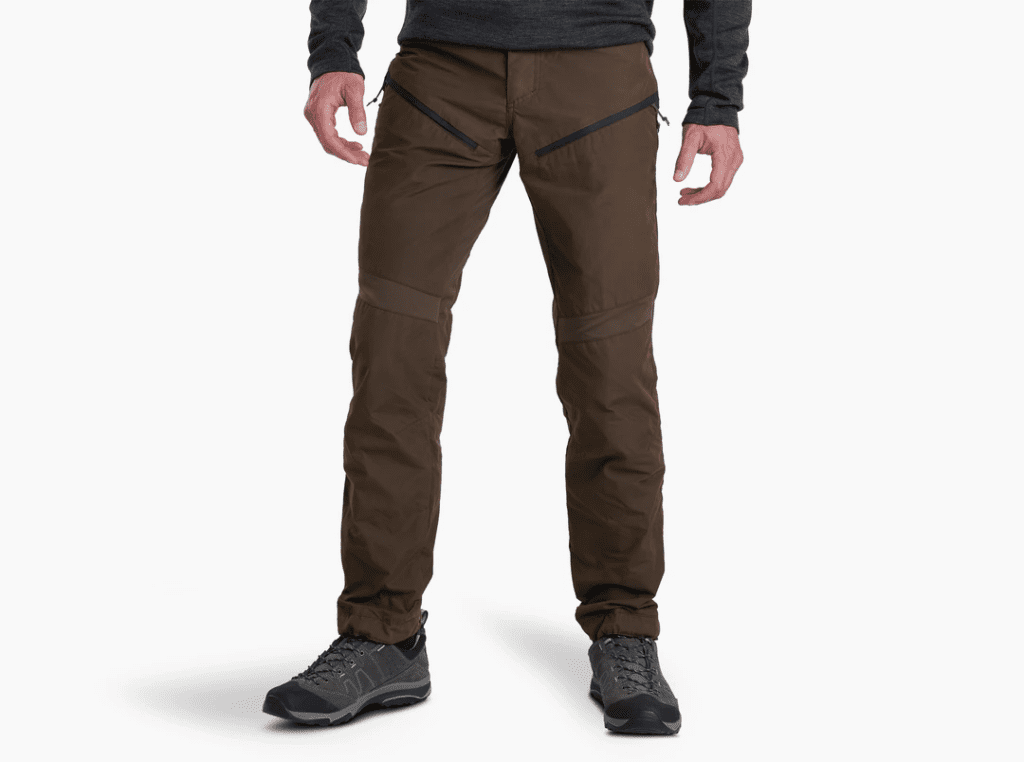
As an avid outdoorsman and a dedicated Boy Scout leader, I recently had the opportunity to put the KÜHL THE “RADIKL” OUTSIDER Pant to the test during a winter camping trip. With temperatures plummeting to single digits, the need for durable and warm clothing was paramount.
Warmth and Layering: The pants proved to be an excellent outer layer, pairing seamlessly with baselayers to provide the necessary insulation against the biting cold. The full seat and thigh coverage ensured that warmth was retained, and the slight taper from knee to leg opening meant that there was no unnecessary exposure to the elements.
Material and Durability: The Dynawax™ ripstop fabric, a unique blend of strength and lightness, offered impressive wind and water resistance while maintaining the comfort one would expect from cotton. This was particularly appreciated during long hours spent outdoors, where the weather can be as unpredictable as it is harsh.
Resilience: In the true spirit of scouting, the pants were subjected to a variety of rigorous activities, from wood chopping to navigating through rugged terrain. Unlike other pants that succumb to wear and tear, either tearing upon contact with sharp objects or melting from campfire sparks, the RADIKL OUTSIDER Pant remained unscathed. The hearty material withstood every challenge, a testament to its superior quality and design.
Versatility: The adjustable leg openings are a thoughtful touch, allowing for a snug fit over boots or shoes, depending on the activity at hand. This adaptability is crucial when transitioning between different outdoor pursuits.
Protection: With a UPF rating of 50+, the pants also provided peace of mind, knowing that protection from the sun’s harmful rays was taken care of during daytime activities.
In conclusion, the KÜHL THE “RADIKL” OUTSIDER Pant is more than just a piece of clothing; it’s a reliable companion for any outdoor enthusiast. Its blend of durability, comfort, and thoughtful design makes it unmatched in the market, living up to its promise of being MATCHED BY NO ONE. Whether for a Boy Scout adventure or a solo trek, these pants are sure to exceed expectations.
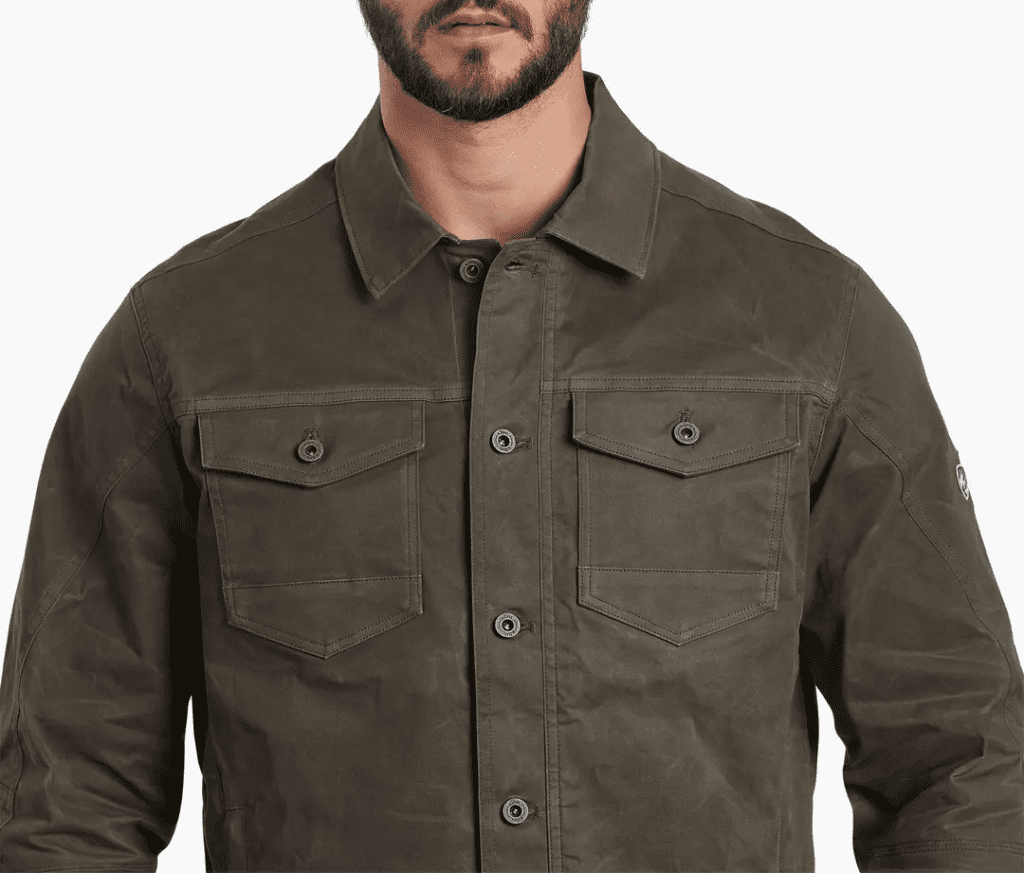
I recently had the pleasure of wearing the Outlaw Waxed Jacket from KÜHL during a winter camping trip with my local Boy Scouts troop, and I must say, it was nothing short of amazing.
Outlaw Waxed Jacket
From the moment I slipped it on, I could feel the quality and durability of the jacket. It’s clear that KÜHL has put a lot of thought into the design and construction. The jacket held up incredibly well throughout the trip, even in the face of some pretty harsh winter conditions. Whether we were hiking, setting up camp, or sitting around the campfire, the Outlaw Waxed Jacket kept me warm and comfortable.
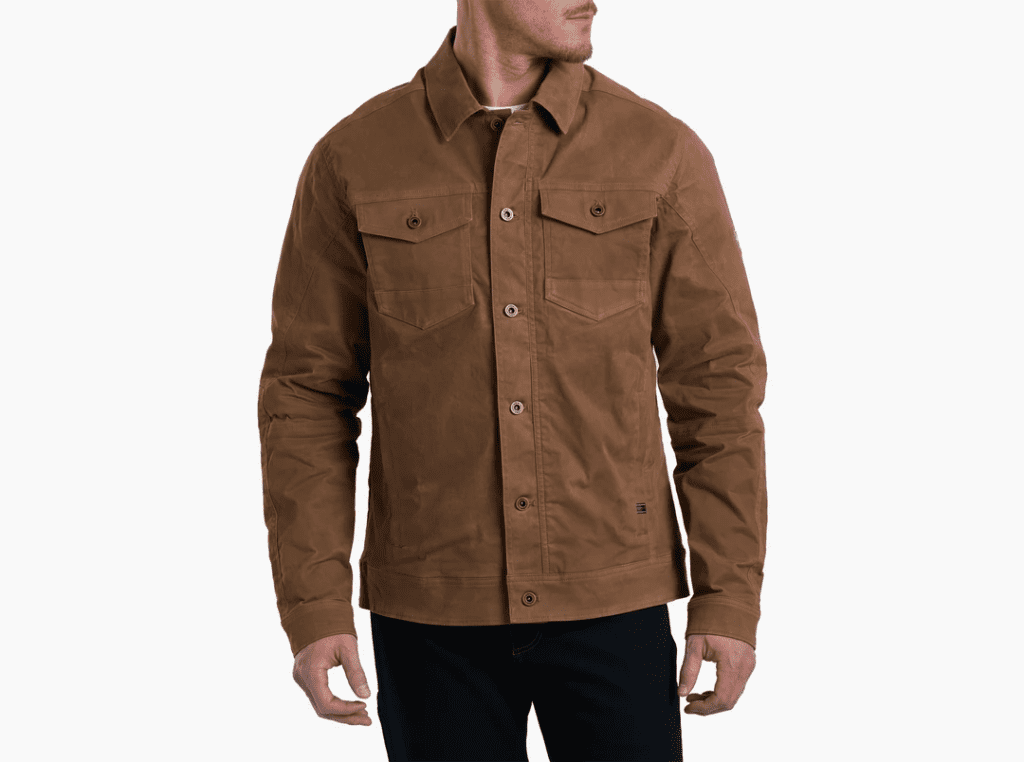
One of the things I love most about this jacket is its versatility. It’s not just for camping trips. I’ve worn it around town, to work, and even on a few outdoor adventures of my own. And every time, I’ve received compliments on how great it looks. The waxed finish gives it a rugged, yet sophisticated appearance that really stands out.
The KÜHL Outlaw Waxed Jacket has several notable features that make it a great choice for outdoor adventures:
Material: The jacket is made from a tough, wax-coated cotton canvas that softens with wear. This gives it a unique finish that will age as you wash or wear it, making it look like a favorite jacket you’ve worn for years.
Weather Resistance: The waxed cotton canvas finish makes the jacket very resistant to unexpected weather and downpours. It provides both wind and water resistance.
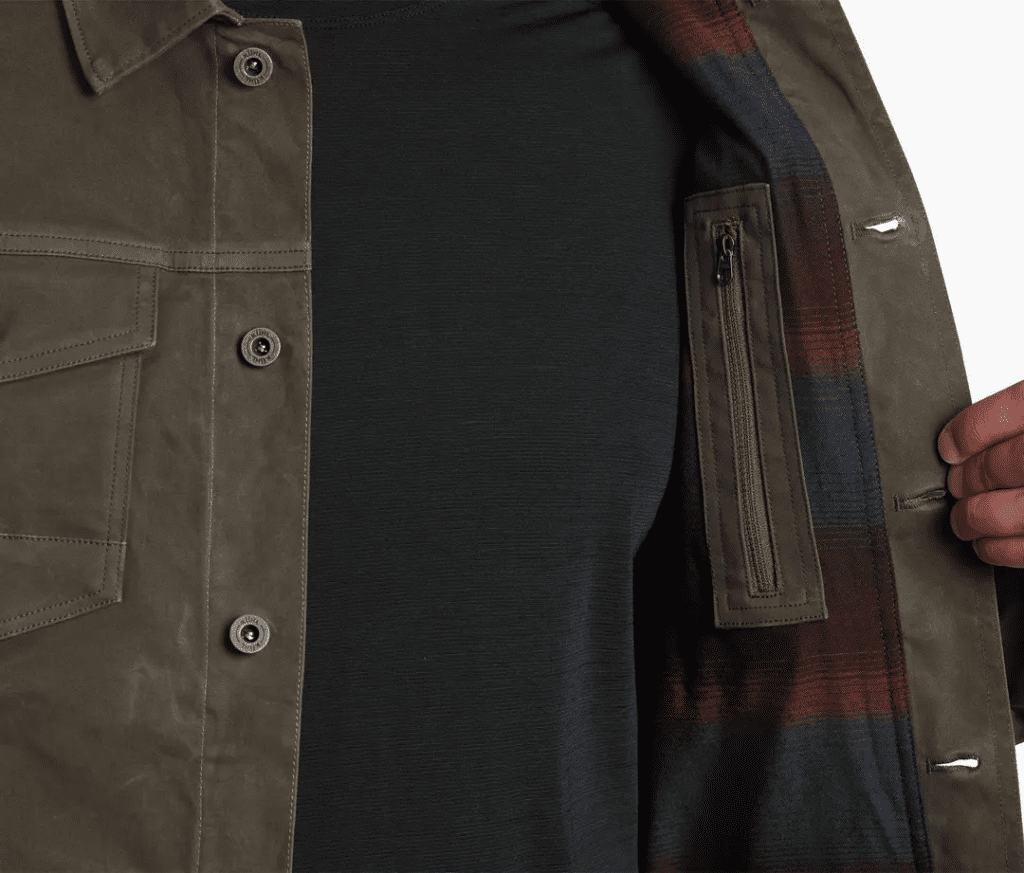
Comfort: The jacket has a soft flannel lining that provides next-to-skin comfort. The articulated design allows for freedom of motion.
Pockets: The jacket features a zippered interior security pocket, two large main zippered hand pockets with a fleecy lining to help keep your hands warm, and two smaller button-down chest pockets.
Outlaw Waxed Jacket
Sleeves: The sleeves come with multiple push popper options, allowing you to adjust the fit depending on whether you are wearing gloves or not. The inside of the sleeves are lined with nylon to make it easier to take off and put on the jacket.
This jacket is not only practical but also stylish, making it a fantastic choice for any outdoor enthusiast.
Outlaw Waxed Jacket
In conclusion, the Outlaw Waxed Jacket from KÜHL is a fantastic piece of outerwear that I would highly recommend. It’s durable, stylish, and versatile enough for any adventure. Whether you’re planning a winter camping trip with the Boy Scouts or just looking for a great everyday jacket, the Outlaw Waxed Jacket is an excellent choice.
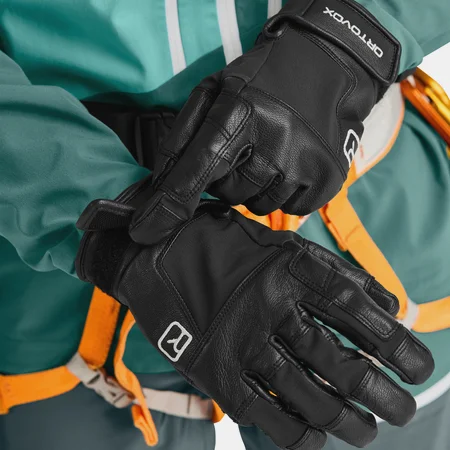
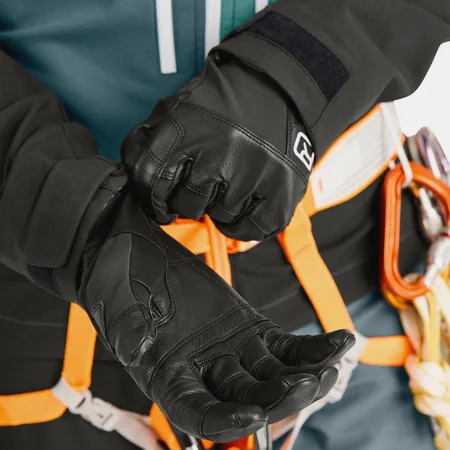
The Ortovox Mountain Guide Gloves are more than just your average pair of gloves; they’re a trusty companion for alpinists venturing into rugged terrains or for winter camping and hiking. Designed with durability and performance in mind, these gloves offer optimum grip and protection in the most demanding conditions.
Ortovox Mountain Guide Gloves
One of the standout features of the Mountain Guide Gloves is their robust construction. Crafted from high-quality goatskin leather, these gloves are built to withstand the rigors of alpine terrain. The double-layered leather in key areas such as the palm, thumb, and index finger provides added durability and protection against abrasion from sticks, ropes, or ice axes. Additionally, the seam-free finger construction ensures a snug and comfortable fit, minimizing irritation and enhancing longevity.
During a recent Boy Scout winter camping trip, I had the opportunity to put the Mountain Guide Gloves to the test. While these gloves offer very little insulation on their own, I found them to be an excellent outer layer when paired with the Crosspoint Waterproof Gloves. Together, they provided the perfect combination of warmth and protection against the elements.
Ortovox Mountain Guide Gloves
What impressed me most about the Mountain Guide Gloves was their versatility. Whether I was chopping wood, carrying water, or setting up camp, these gloves remained sturdy and reliable throughout. The adjustable hook and loop fastener cuffs ensured a secure fit, while the carabiner loop on the wrist allowed for easy attachment to my gear when not in use.
Despite their rugged construction, the Mountain Guide Gloves still managed to offer a comfortable fit. The soft goatskin leather felt pleasant against my skin, and the ergonomic design allowed for unrestricted movement, essential for handling tasks in challenging environments.
In conclusion, if you’re an alpinist or outdoor enthusiast seeking a reliable pair of gloves for your adventures, look no further than the Ortovox Mountain Guide Gloves. With their durable construction, optimum grip, and versatile design, these gloves are sure to become your go-to choice for tackling the toughest conditions in the mountains.
Boulder, CO (March 14, 2023) — Sea to Summit, the award-winning global manufacturer of adventure equipment, is excited to announce their 2024 New Product Launch. The milestone unveiling of their new sleeping bag and liner categories, alongside three redesigned, award-winning camp kitchen ranges, highlights Sea to Summit’s commitment to innovation, sustainability and enhancing the outdoor experience.
The introduction of three distinct camp kitchen lines – Frontier, Detourand Passage– reflects Sea to Summit’s dedication to enhancing the outdoor culinary experience. All three collections were 2023 Australian Good Design Award Winners and feature evolutions of the past X-Series, Delta and Alpha line.
Dave Thompson, General Manager of Product Design, delves into the inspiration and benefits of these camp kitchen products:
“We had a lot of fun reimagining our core promise for an evolving consumer. We were laser-focused on the customer, and obsessed with enhancing the cooking experience throughout the various adventures our customers engage in.”
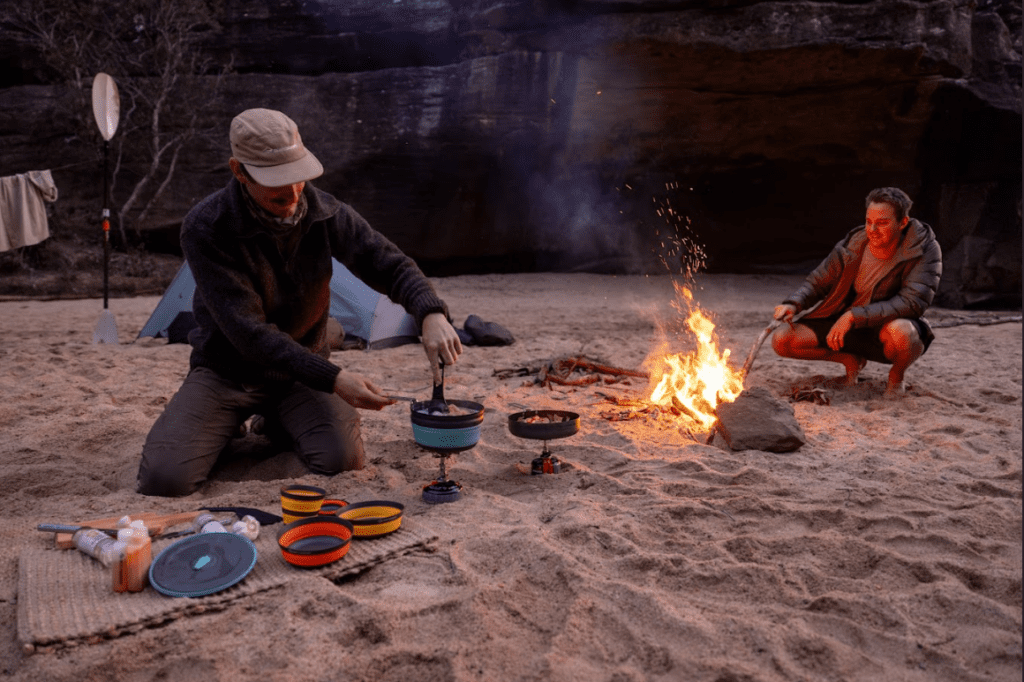
Inspired by extreme explorers, Frontier cookware and tableware was engineered for weight-focused adventurers who demand functionality, ease of use, and a high degree of packability. Key features include nestable and fold-flat layouts, patent-pending LIDKEEP technology, abrasion-resistant ceramic coating and a patent-pending Click-Safe removable handle for easy stowing. The intelligent design behind the Frontier line introduces a more durable, more compact, and more ergonomic kitchenware for backpacking.
The Detour collection, tailored for adventurers on the move, whether in overland vehicles, RV kitchens, or boat galleys, debuts the first-ever collapsible camp kitchen equipment compatible with both gas stoves and induction cooktops. Crafted from stainless steel, this collection also features rattle-free stowability to ensure a quiet journey, while maintaining the convenience and quality of home cooking for any vehicle-based adventure.
“There is a significant rise in the number of vehicle-based campers who want to take a gourmet home-cooking experience on the road, yet need products that can be stowed easily. We felt that our core expertise in developing collapsible, packable kitchenware solutions delivered a key benefit to this user,” says Thompson on the increased popularity of vehicle-based camping.
Sea to Summit’s 2024 sleeping bag and liner collections usher in new levels of comfort and convenience across a wide range of conditions and pursuits. Utilizing new fabrics and enhanced details, these bags and liners seamlessly integrate to redefine the sleep experience.
In addition to evolving and streamlining their most popular sleeping bags like the Spark and Ascent, Sea to Summit delivers a completely new offering in the Spark PRO. The Spark PRO is the perfect option for lightweight adventurers who demand comfort. 950+ FILL Power makes this bag as comfortable as it is compact, and introduces the versatility of the Free Flow zip system to a class of lightweight bags.
“Our goal was to evolve sleeping bags and liners to build on the versatility that has been a hallmark of Sea to Summit sleeping bags,” states Kevin Joyce, Sea to Summit’s General Manager of Product Merchandising. “A key element in this is the Free Flow zip system, which has been revised for 2024 and introduced for the first time into the lightweight realm with the Spark Pro. Free Flow allows users to adapt their sleeping bag to meet their own preferences and various external conditions.”
The new iteration of Sea to Summit sleeping bags feature notable sustainability updates, including bluesign® approved fills and fabrics, non-PFC DWR treatments, Recycled Claim Standard shells and linings, RDS-Certified Down and Forest Stewardship Council approved packaging.
Comfort and versatility extend to the women’s specific sleeping bag models as well. The women’s specific designs feature a carefully crafted, thermally efficient shape to allow a natural sleep position without compressing insulation, and body-mapped down to provide maximum warmth.
Sea to Summit has long been the market leader in sleeping bag liners, but the new models represent a quantum leap forward for the end user. The three new collections include the Reactor Series Thermal Boost Liners for enhanced warmth, the Breeze Series Moisture Management Liners for comfort in warm, humid conditions, and Lightweight Liners for minimalist adventures. The new liners have shoulder openings and an all-new base drawcord that aligns with the Free Flow zip system of the sleeping bags to give you an even greater level of versatility.
Dave Thompson concludes, “We’re quite overwhelmed by the loyalty we’ve seen from users that have journeyed with us for over 30 years. Our 2024 lineup provides ongoing reassurance to consumers and invites them to journey with us as we continue to innovate around our core objectives of creating the most lightweight, packable and durable products to support their adventures.”
Sea to Summit’s 2024 product range is a testament to the brand’s unwavering dedication to quality, innovation and sustainable practices.