fbpx

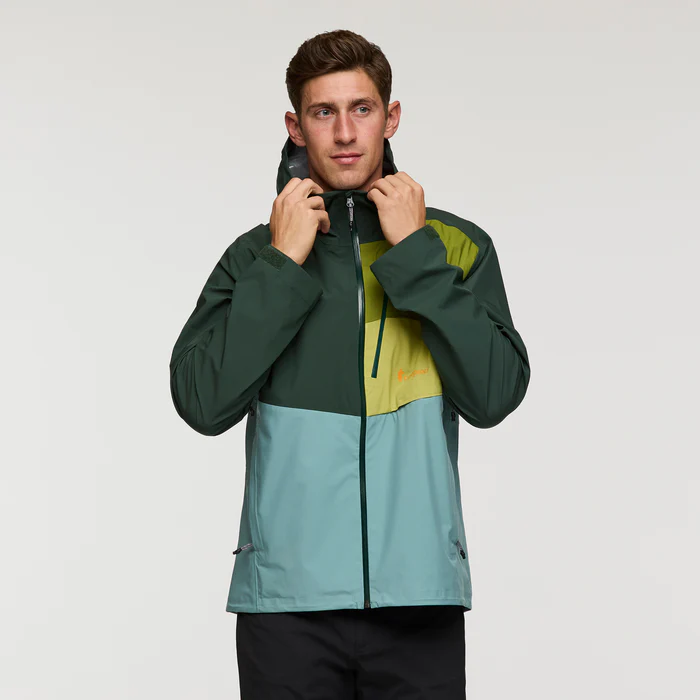
Testing the Ibex Men’s Shak Hoodoo Hoodie

Winter in Colorado hasn’t followed the script this year. Instead of consistently cold, snowy days, we’ve seen long stretches of sun, above-average temps, and variable conditions that make layering decisions harder than usual—especially for Nordic skiing.

That’s exactly the environment where the Ibex Men’s Shak Hoodoo Hoodie has stood out for me.

I’ve been using it primarily for Nordic skiing—long aerobic efforts, rolling terrain, frequent transitions between shade and sun. In short, conditions where overheating is just as likely as getting chilled. The Shak Hoodoo has proven to be one of those rare layers that adapts rather than dictates.

Dense Merino That Breathes When You Need It To

The foundation of this piece is Ibex’s Merino Ponti fabric: a 100% merino wool, double-knit textile weighing between 300–375 gsm. On paper, that sounds heavy. In practice, it’s surprisingly versatile.

The density provides real insulation when you’re gliding through shaded forest or stopping to regroup, but the natural breathability of merino keeps things in check once your heart rate climbs. During warm winter days in the mid-30s to low-40s, I found I could ski comfortably in this over a light base layer without feeling swampy or restricted.

The fabric’s natural elasticity is noticeable. It moves with you when you’re driving forward with poles, climbing short pitches, or reaching for that last bit of glide. Nothing pulls. Nothing binds.

Designed for Motion and Layering

The Shak Hoodoo sits right at the intersection of midlayer and outer layer, and the design reflects that dual role.

  • Raglan sleeves and gusseted underarms allow full range of motion without bunching, even during aggressive poling.
  • Flatlock seams stay comfortable against the skin and disappear under shells when conditions shift.
  • Slim, sporty fit keeps the profile clean and efficient, ideal for Nordic skiing where excess fabric just gets in the way.

On warmer days, I’ve worn it as my outermost layer. When wind picks up or clouds roll in, it layers easily under a lightweight shell without feeling bulky.

Small Features That Matter on Snow

The details feel dialed for real winter use:

  • Scuba-style hood fits snugly around the head with elastic binding, staying put without adjustments. It works well under a hat or helmet and doesn’t flap when skiing.
  • Thumbholes are a standout for Nordic use, keeping sleeves locked in place when layering under gloves.
  • Hand pockets with exposed zippers add practicality without compromising the clean silhouette.

It’s clear this piece was designed by people who actually spend time moving in cold environments.

The Verdict

The Ibex Shak Hoodoo Hoodie has become one of my most reliable winter skiing layers, especially in a season where conditions demand flexibility. It’s warm without being stifling, structured without being stiff, and technical without feeling overbuilt.

For Nordic skiers who deal with variable winter temperatures—or anyone looking for a merino layer that can pull double duty as insulation and outerwear—this hoodie earns its place.

It’s not just built for expeditions in name. It’s built for the real ones you actually go on.

Technical Specs at a Glance

  • Fabric: Merino Ponti
  • Composition: 100% Merino Wool
  • Weight: 300–375 gsm
  • Micron Gauge: 19.5μm
  • Fit: Slim, athletic
  • Features: Scuba hood, thumbholes, hand pockets, flatlock seams, raglan sleeves

BioLite Range 500 Headlamp Review

When BioLite announced the Range HeadLamp Series, I was eager to put the Range 500 through its paces. With 500 lumens, IP67 waterproofing, and rapid USB-C charging, this model is billed as the most capable in the lineup. After weeks of use across Colorado—from early morning road runs in Boulder to overnight camping trips in Estes Park—it has proven itself as a reliable, durable, and thoughtfully designed headlamp for a variety of outdoor pursuits.


Design & Build Quality

The first thing I noticed was how compact and balanced the Range 500 feels. True to BioLite’s reputation, the bounce-free fit is real. On runs, there was no distracting bobbing or shifting, even on technical trails. The slim band is easy to adjust, and the lamp housing sits flush against the forehead, distributing weight evenly.

The build inspires confidence: rugged yet lightweight, and fully sealed for IP67 waterproofing. From mountain rain showers to dusty trail runs, I never worried about its durability.


Battery Life & Charging

Battery anxiety is a common issue with rechargeable headlamps, but BioLite’s rapid charging technology solves that problem. On one occasion, I realized I had forgotten to charge before an early morning run. An 8-minute top-off gave me a full hour of runtime—enough to complete my workout without issue.

On longer adventures, the Range 500’s long runtimes and Reserve Mode stood out. During a late descent from Bear Peak, I intentionally pushed the battery low, and the lamp automatically shifted into a conservation mode. It wasn’t bright, but it provided more than enough light to finish safely, which is exactly the kind of backcountry insurance I want.


Performance in the Field

Early Morning Runs

At 5:30 a.m. in Boulder, sidewalks and foothill trails are pitch black. The Range 500’s spot beam illuminated my path with crisp clarity, while the wide flood pattern lit peripheral terrain. I felt confident striding on uneven ground and appreciated that passing cars could clearly see me.

Rocky Mountain Hikes

On a long hike in Rocky Mountain National Park, I wore the Range 500 from predawn to dusk. It handled low-light scrambles with ease. As darkness fell, the two-button interface made switching modes simple—even with gloves on. The red light was particularly useful during group rest stops, preserving night vision without blinding others.

Camping in Estes Park

The Range 500 shined around camp. I used the bright white light for setting up gear and the red mode for reading inside the tent. Compact enough to tuck into a jacket pocket, it became my go-to light not just for trails but for everything at camp.

Night Runs Along Boulder’s Foothills

This was where the Range 500 really impressed me. On technical singletrack, the beam pattern was wide enough to anticipate rocks and roots while still throwing light far down the trail. The bounce-free design meant I didn’t have to think about the lamp at all—it stayed secure as I pushed pace uphill and downhill.


Key Strengths

  • Brightness & Beam Versatility: 500 lumens with adjustable white and red-light modes.
  • Rapid USB-C Charging: One hour of runtime from just 8 minutes of charge.
  • Comfort: Secure, bounce-free fit ideal for running.
  • Durability: IP67 waterproof rating and rugged construction.
  • Safety: Reserve Mode ensures you’re never caught in complete darkness.

Final Verdict

The BioLite Range 500 is more than just a headlamp—it’s a dependable companion for anyone who trains, hikes, or camps in low light. Its balance of brightness, comfort, and reliability makes it ideal for Colorado adventures, whether that’s logging early miles in Boulder, climbing alpine trails in Rocky Mountain National Park, or simply setting up camp in Estes Park.

For outdoor athletes who need a high-performance, do-it-all headlamp, the Range 500 sets a new benchmark.

Ibex Springbok Collection Review

The Front Range in July is a heat-management masterclass: cool, predawn trailheads that rocket to 90 °F by lunch, sudden afternoon deluges, and bone-dry gusts off the Divide. I logged three solid weeks—tempo runs on Boulder Creek Path, vert days at Apex Park, and an impromptu FKT attempt on Green Mountain—in Ibex’s new Springbok Sport Tee and Springbok Short. Here’s how the lightest pieces in Ibex’s line handled every mile.


Why These Pieces Caught My Eye

Both garments use Pro Tech Lite, a feather-weight, 140 gsm knit that blends 83 % merino with nylon and elastane for stretch and durability, all in an 18.9-micron yarn—soft enough for next-to-skin comfort but tough enough to survive a waist belt or running vest.


Springbok Sport Tee: Fast, Cool, Chafe-Free

Specs that matter

  • Quick-dry merino/nylon blend with UPF 35+ for high-altitude sun.
  • Raglan sleeves & flat, merrow stitching eliminate hot-spots under pack straps.
  • Gusseted underarms keep arm swing fluid on steep grades.

Trail reality

  • Early-morning climbs: The tee breathed better than any 100 % synthetic top I own—no clammy chill on ridge-line rests.
  • Midday heat: Sweat evaporated fast; fabric never glued itself to my back.
  • Multi-day odor test: Merino’s natural anti-odor mojo let me squeeze in a second session before the wash without offending the coffee shop crowd afterward.
  • Pack compatibility: Those raglan seams did their job—zero abrasion on a 10-mile pack run with 1.5 L bladder.

Springbok Short: Lightweight Storage & Built-In Comfort

Specs that matter

  • 5-inch inseam built for unobstructed stride.
  • Pro Tech Lite liner-brief—same merino blend as the tee—for breathability where it counts.
  • Dual hand pockets plus a secure zip pocket on the back waistband.
  • Fabric is PFAS-free (a win for sustainability).

Trail reality

  • The brief stayed put; no ride-up even after soaking creek crossings.
  • Side pockets swallowed gels; the rear zip kept my car key silent and bounce-free.
  • Shell fabric (nylon/elastane) shrugged off sandstone scrapes and dried in minutes after a surprise thunderstorm.
  • Waistband fit dialed—elastic, yet stable when I stashed a phone for a cooldown walk.

Durability & Care

Multiple cold-wash/line-dry cycles later, both pieces look fresh off the hanger—no pilling, collar flare, or stretched hems. That nylon filament truly reinforces the knit without sacrificing merino’s feel.


Sustainability Notes

Ibex produces these items in small batches, uses mulesing-free wool, and eliminated PFAS finishes on the shorts—proof that high performance and low impact can coexist.


The Colorado Verdict

  • Temperature swing champs: From 45 °F trailhead starts to 90 °F road tempos, Pro Tech Lite never felt too warm or too thin.
  • All-day comfort: Seam placement and gussets keep friction to a minimum—critical for long, hot efforts.
  • Value proposition: At $80 for the tee and $100 for the shorts, they sit at the premium end, but daily versatility and multi-season utility justify the spend.

I love gear that tells a clear story: feather-weight merino engineered for speed, crafted responsibly. As a runner, I just love gear that disappears once the watch starts. The Springbok Sport Tee and Short do both.

Bottom line: If your summer calendar includes everything from sunrise ascents to after-work strides—and you’d rather focus on splits than sweat—the Ibex Springbok duo deserves a spot at the top of your drawer. Lace up, layer up, and let Colorado’s trails be the only thing that takes your breath away.

David Protein Bars – The Smartest Bar in the Game

Impact-Site-Verification: bea4d1cb-53f2-41e1-a55e-0f069c4e1071

If you’re serious about your macros, tired of sugar-laden “protein” bars, and want a grab-and-go snack that actually helps build muscle and support fat loss, David Protein Bars are going to change the way you think about portable nutrition.
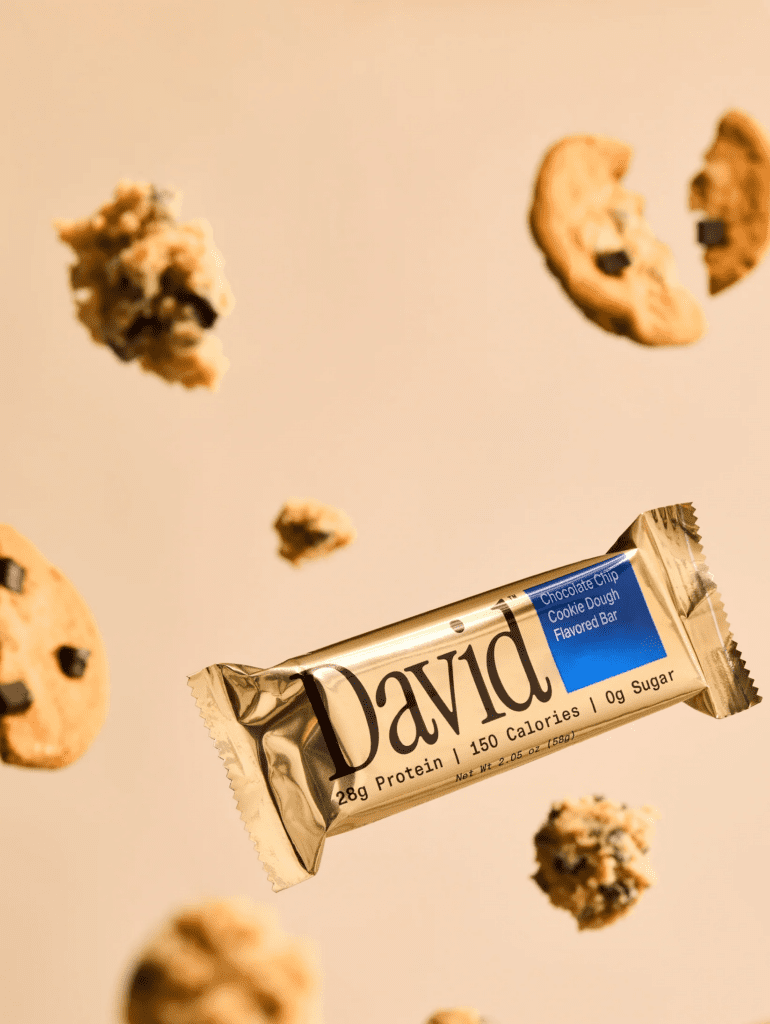
I’ve tested every major protein bar out there. Most are glorified candy bars with a little extra protein tossed in. David is different. It’s not just a protein bar—it’s a scientifically-engineered performance tool, and it delivers.


Macros That Matter

Let’s start with the headline stats:

  • 150 calories
  • 28 grams of protein
  • 0 grams of sugar
  • 75% CFP (Calories From Protein)

That 75% CFP is roughly 50% higher than any other bar on the market. It means three-quarters of the energy you get is from muscle-building protein, not fats or sugars. For anyone optimizing body composition, this is gold.


What Makes It Work: The Science Behind the Bar

1. The Protein System

David uses a multi-source blend: milk protein isolate, collagen, whey concentrate, and egg white. This combo provides a complete amino acid profile with a perfect 1.0 PDCAAS. That means it’s as efficient as protein gets—ideal for muscle repair, hormonal balance, and even skin, hair, and nail health.

2. The Binding System

Binding is usually where bars pack in sugar and calories. David uses maltitol and allulose, which keep the bar together, offer sweetness, and don’t spike blood sugar. They’re also easier on calories. Bonus: some of the binders like glycerin and tapioca starch provide prebiotic benefits.

3. The Fat System

Here’s where David gets next-level. Instead of loading up on calorically dense fats, they use a modified plant fat called EPG, along with small amounts of coconut oil, cocoa butter, and palm kernel oil. This allows for a creamy, satisfying texture without the 9-calories-per-gram hit from traditional fat.

4. The Flavor System

David is sweet, rich, and indulgent without the sugar. Their system uses cocoa powder, sucralose, acesulfame potassium, and natural flavors to create dessert-like profiles with no blood sugar impact.


Flavor Rundown
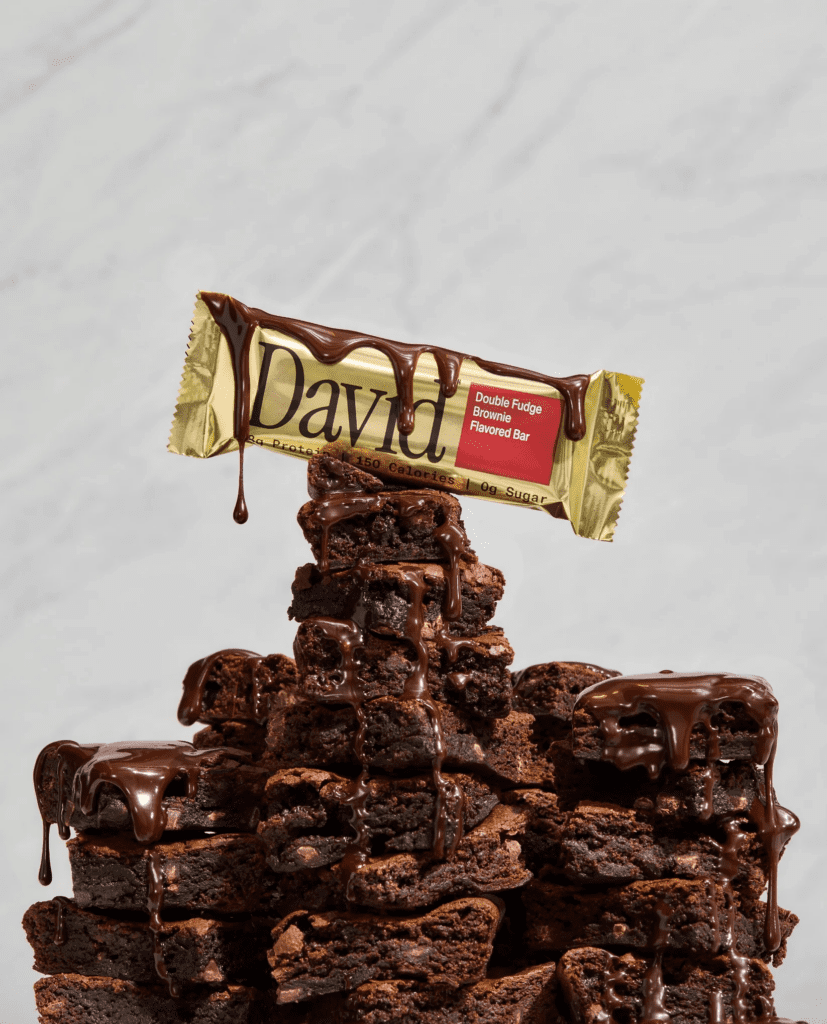
I sampled six of the most popular flavors. Each one had a dense but moist texture, not chalky or gritty like other high-protein bars. You can eat them at room temp, chilled, or warmed up in the microwave for 10 seconds (game changer).

Favorites Ranked:

  1. Chocolate Chip Peanut Butter – Hands-down my go-to. Tastes like a Reese’s met a protein cookie. Sweet, salty, chocolatey, perfect texture.
  2. Fudge Brownie – Rich and dark. More like a brownie than some actual brownies I’ve had.
  3. Salted Peanut Butter – Great savory-sweet balance. Feels substantial.
  4. Cookie Dough – Classic profile, smooth with chocolate chunks. Solid choice.
  5. Cake Batter – On the sweeter side, great for dessert cravings.
  6. Blueberry Pie – A unique twist. Not my favorite, but a nice change of pace.

Real Talk: How It Performs
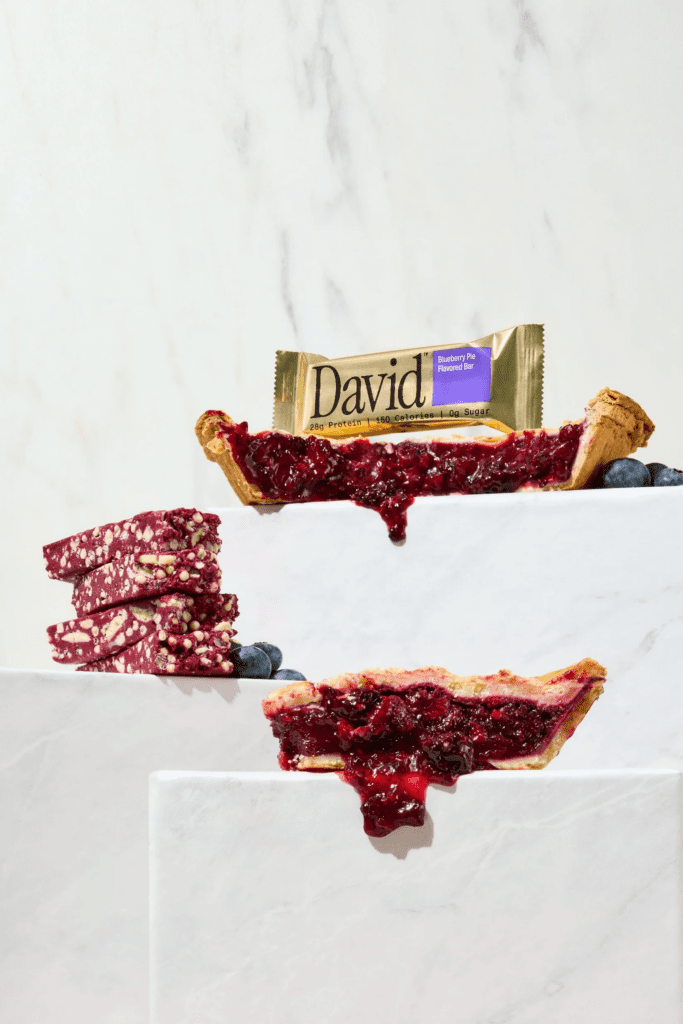
These bars have become my go-to post-workout fuel and midday protein boost. The ultra-high protein-to-calorie ratio makes them perfect for:

  • Cutting phases
  • High-protein, low-carb diets
  • Blood-sugar stability
  • Meal replacements on the go

I typically have one post-lift and another in the late afternoon to hit my protein targets without blowing up my calorie count. Just keep in mind: limit to two per day to avoid any digestive discomfort, especially if you’re not used to sugar alcohols.


Final Thoughts
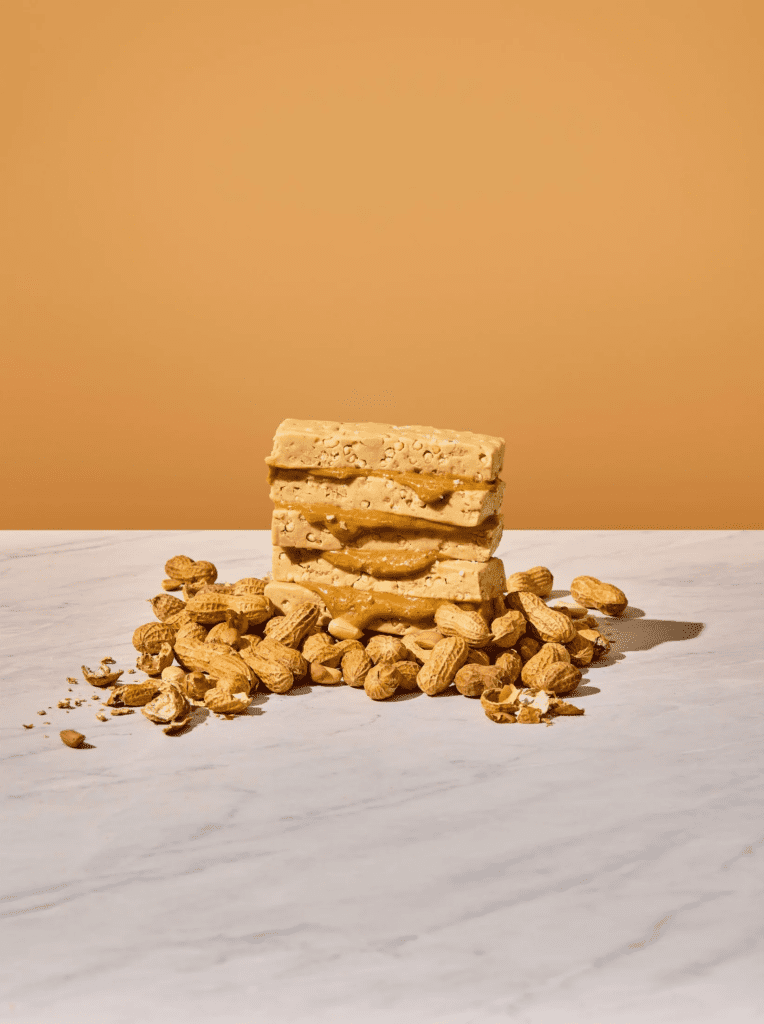
David Protein Bars aren’t just another snack. They’re a precision-engineered nutrition tool that puts protein first. If you’re someone who values muscle growth, metabolic health, and real results, these bars check every box.

Pros:

  • Unmatched protein-to-calorie ratio
  • Zero sugar
  • No blood sugar spikes
  • Full amino acid spectrum
  • Tastes legit

Cons:

  • Contains sucralose and maltitol (which some may want to moderate)
  • May cause GI issues if overconsumed

Rating: 9.5/10
Make room in your daily stack. This is the smartest protein bar on the market.

Best Day Brewing – Non-Alcoholic Beer for the Doers

There are moments that call for a beer—the post-run cool down, a hot summer afternoon by the lake, grilling with friends, or just kicking back after finishing a big project. But more and more, I find that I want the experience of beer without the buzz. Enter Best Day Brewing: the best-tasting non-alcoholic beer I’ve ever had, hands down.

Born in Northern California and brewed for doers, Best Day Brewing isn’t about compromise. It’s about unlocking all the flavor and satisfaction of a full-bodied craft beer without the side effects of alcohol. Whether I’m recovering from a trail run, lifting in my garage gym, or heading to a backyard hangout, this beer has become a go-to for all the moments that matter.


Why It Works

Best Day nails the essentials: high-quality ingredients, traditional brewing techniques, and a gentle alcohol removal process that preserves flavor. We’re talking water, barley, hops, and yeast—nothing sketchy, nothing artificial. Each beer is vegan, non-GMO, and made with premium natural ingredients. You can feel good about what you’re drinking, even before you taste how good it is.

They also add thoughtful, real-world pairings to each brew—and I have to say, they’re spot on. Whether it’s trail time, poolside lounging, or a weekend BBQ, Best Day brews are made to elevate experiences, not mute them.


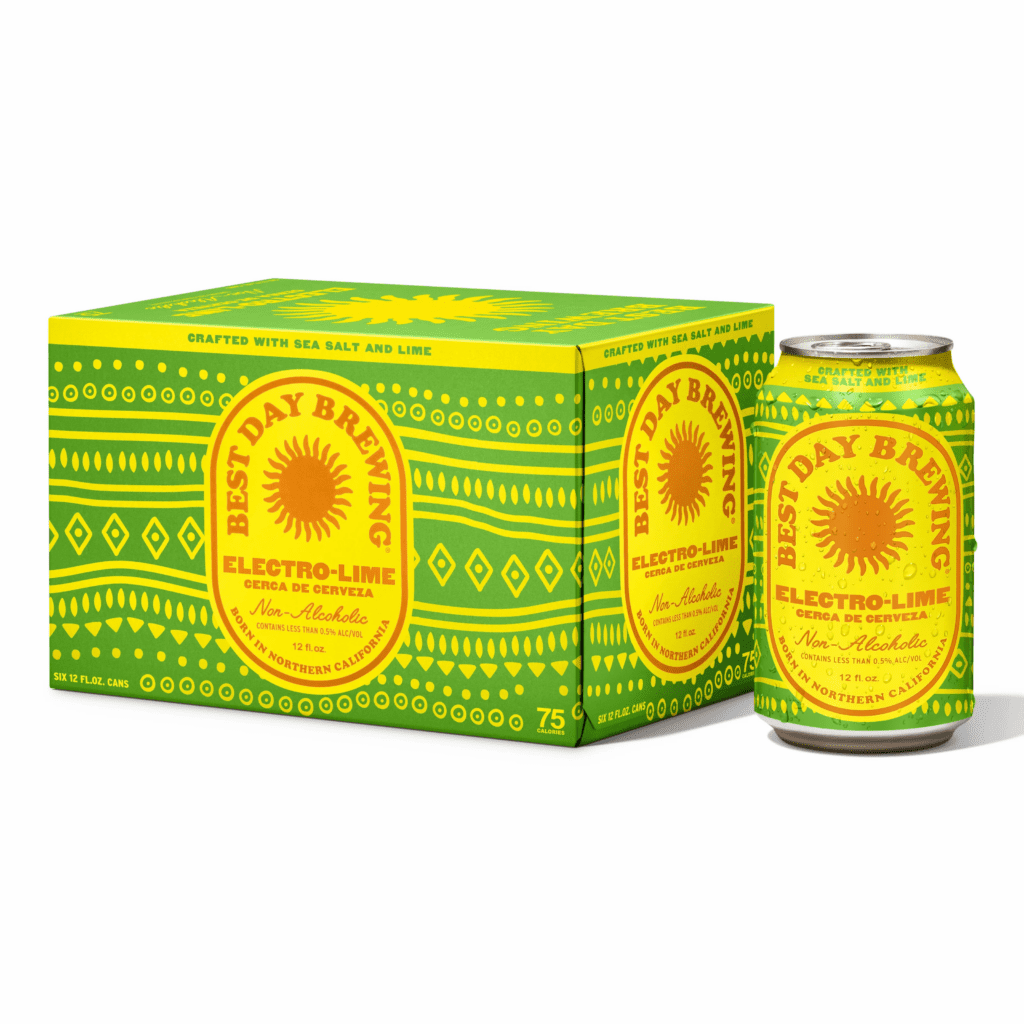
My Favorite: Electro-Lime Cerca de Cerveza

Let’s start with the star of the show. Electro-Lime is everything I want in a summer beer: light, refreshing, a little salty, and perfectly lime-forward. Crafted with sea salt, fresh lime purée, corn, and a unique tropical hop (Motueka), it drinks like a sunshine-soaked Mexican lager with just enough zip.

The sea salt adds electrolytes (hello, post-run hydration), while the lime gives it that tart, crushable vibe. It pairs beautifully with pool days, concerts, and cooling down after a long trail session.

This is the beer that convinced me non-alcoholic beer could be fun, flavorful, and downright exciting.


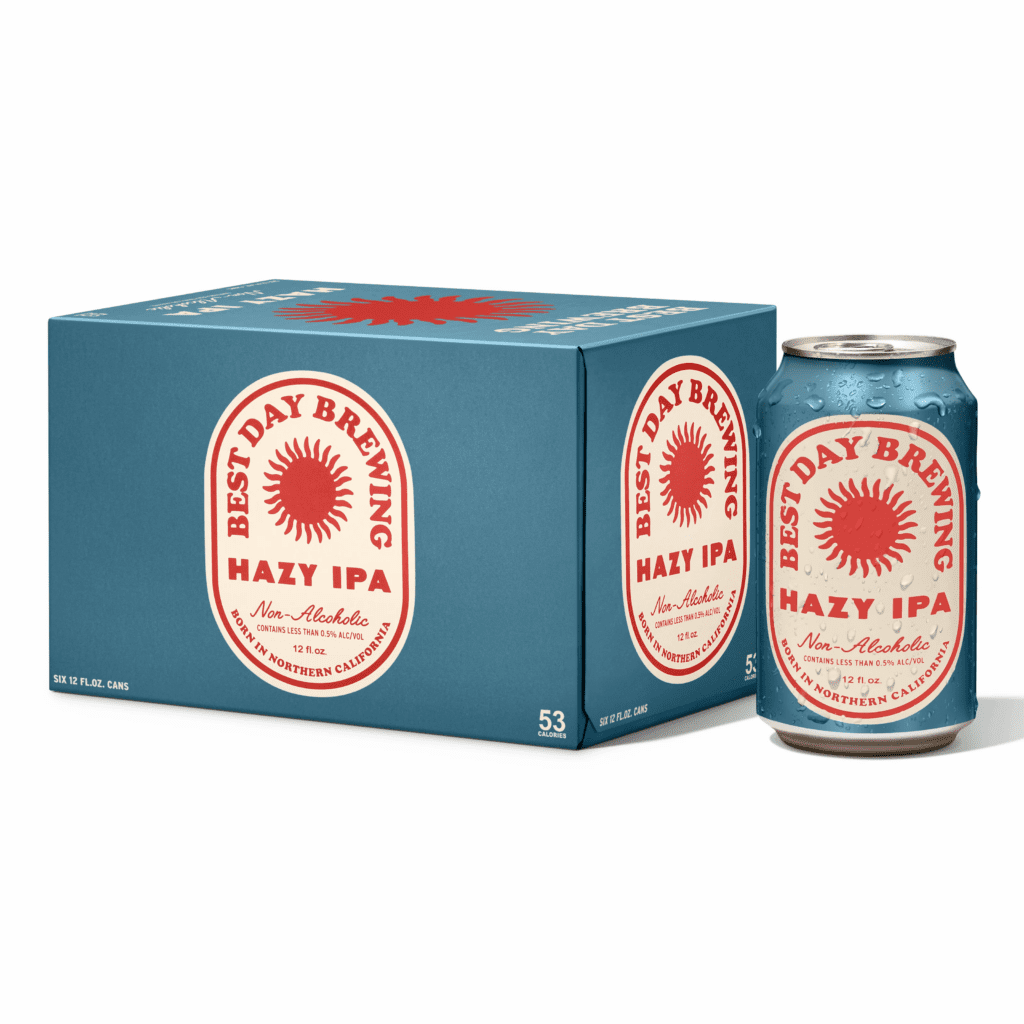
Runner-Up: Hazy IPA

I’m a big IPA fan, and Best Day’s Hazy IPA brings the citrus, the hops, and the body. Fruity aromas hit first, followed by juicy tropical flavors and just enough bitterness to keep things interesting. It’s smooth and medium-bodied, with a dry finish that leaves you ready for another sip.

Whether I’m flipping burgers on the patio or stretching after a hard workout, the Hazy IPA gives me the bold flavor I love without the weight or sluggishness that often comes with alcoholic IPAs.

Pairs perfectly with: mountains, surf, BBQs.


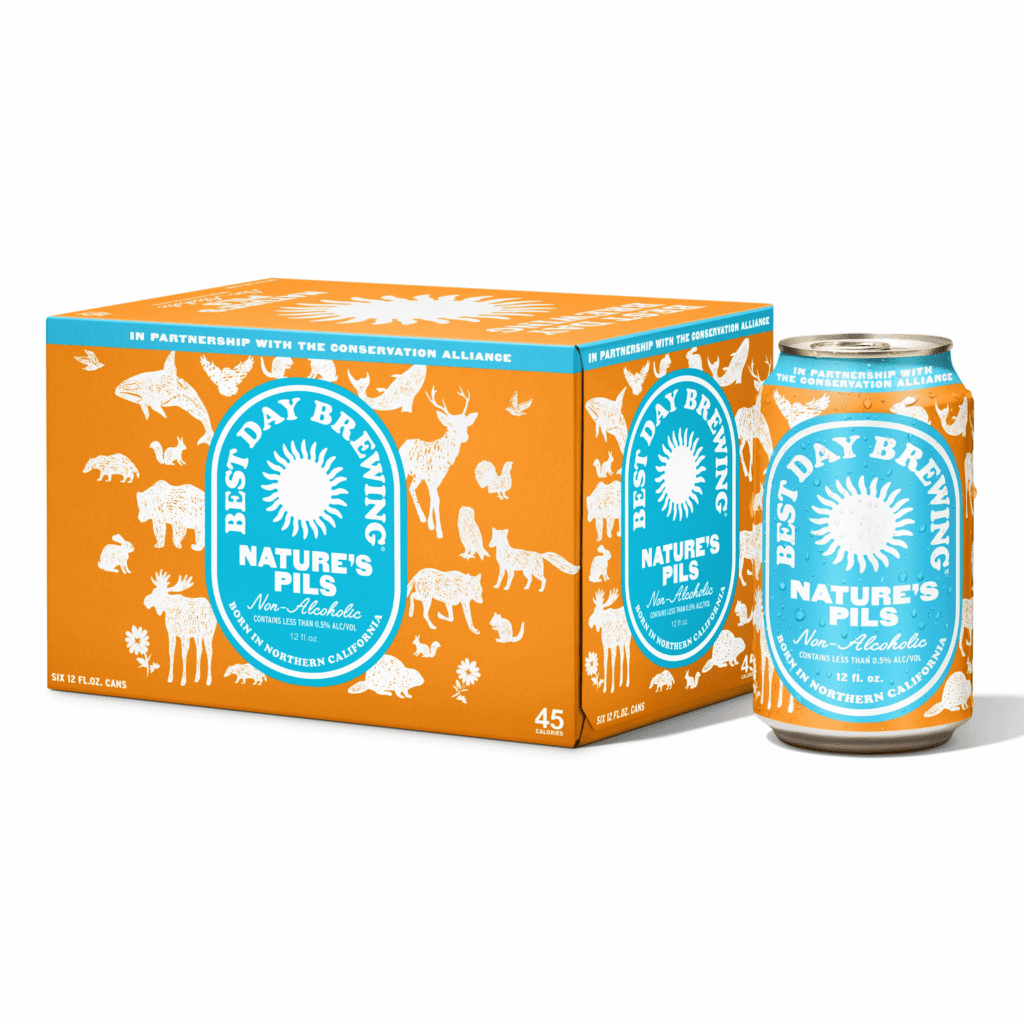
Runner-Up: Nature’s Pils

Nature’s Pils is a crisp, clean Pilsner brewed with true Bavarian yeast and Hallertau Mittelfrüh hops. It has that old-school German lager vibe—herbal, woody, citrusy, with a soft malt finish.

What sets it apart? It’s brewed in partnership with the Conservation Alliance, and a portion of the proceeds supports the protection of wild places. That makes this beer taste even better knowing it supports the spaces I love to explore.

Pairs well with: camping, hiking, swimming, and slowing down to observe the beauty around you.


The Best Day Brewing Difference

Here’s the thing: most non-alcoholic beers taste like what they’re missing. Best Day beers taste like what they’re made for.

Whether it’s their careful brewing process that preserves the aroma and body, or the real ingredients like lime and sea salt that add genuine flavor depth, these beers stand shoulder-to-shoulder with full-strength craft options. You just get to skip the hangover, dehydration, and early cutoff time.

From post-ride refreshment to social events where I want to stay sharp, I find myself reaching for a Best Day more often than anything else in my fridge.


Final Thoughts

Best Day Brewing isn’t just making great non-alcoholic beer. They’re redefining what it means to enjoy beer in the moments that matter—without sacrificing taste, experience, or energy.

  • Electro-Lime Cerca de Cerveza: 10/10 – Tangy, bright, and the perfect hydration reward
  • Hazy IPA: 9/10 – Bold, citrusy, and full of hop character
  • Nature’s Pils: 8.5/10 – Classic, clean, and easy to love

If you’re looking for a non-alcoholic craft beer that delivers on flavor and vibe, this is it. Raise a can to your #BestDayYet.

Cotopaxi Impermeo 3L Hooded Shell Jacket Review

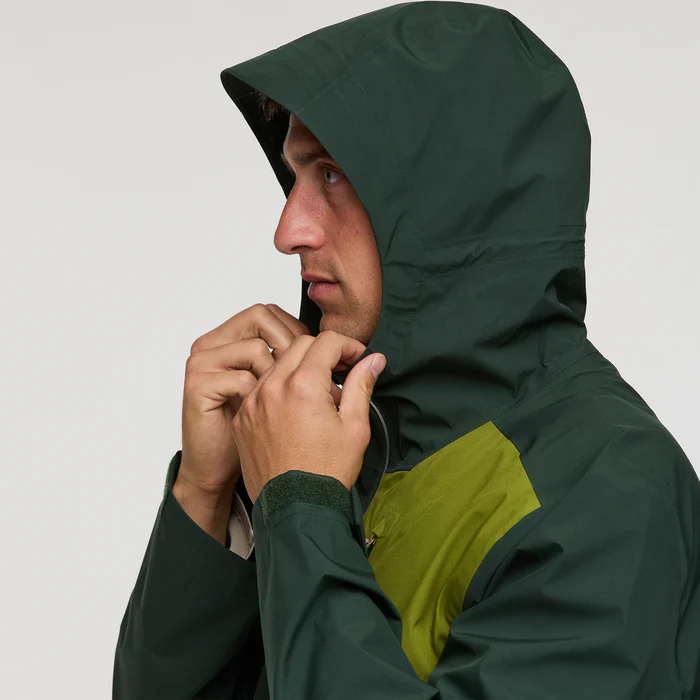
If you’re anything like me, your outdoor plans rarely get canceled due to weather. In fact, sometimes the unpredictable weather is part of the adventure. That’s why I was excited to get my hands on the Cotopaxi Impermeo 3L Hooded Shell Jacket. Designed for those “just in case” moments in the backcountry, this jacket has quickly become an essential part of my gear lineup.
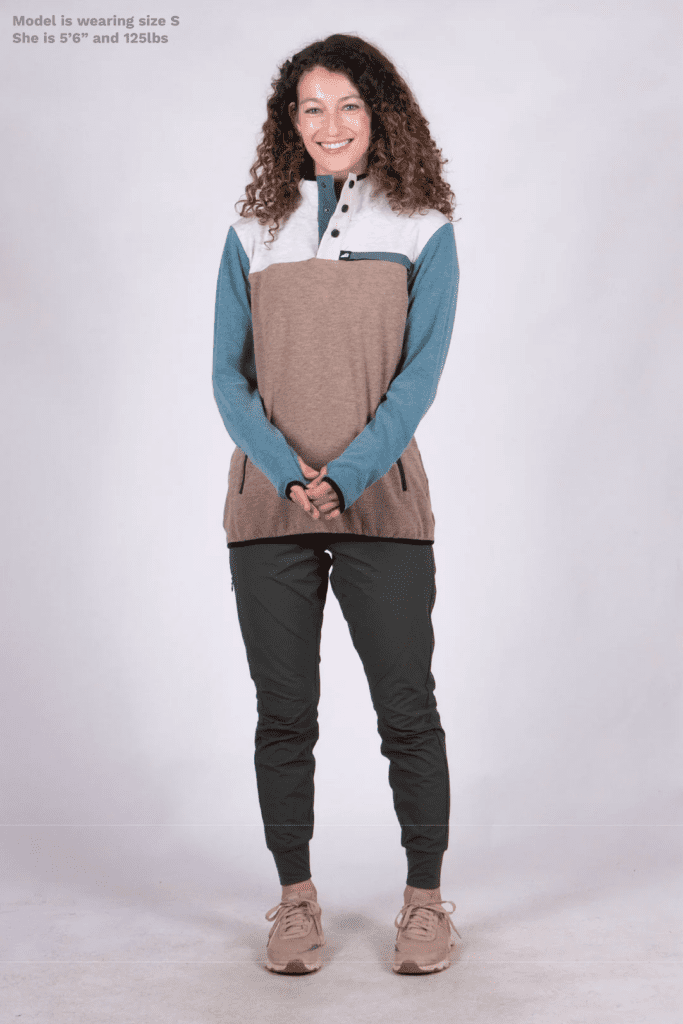
First Impressions

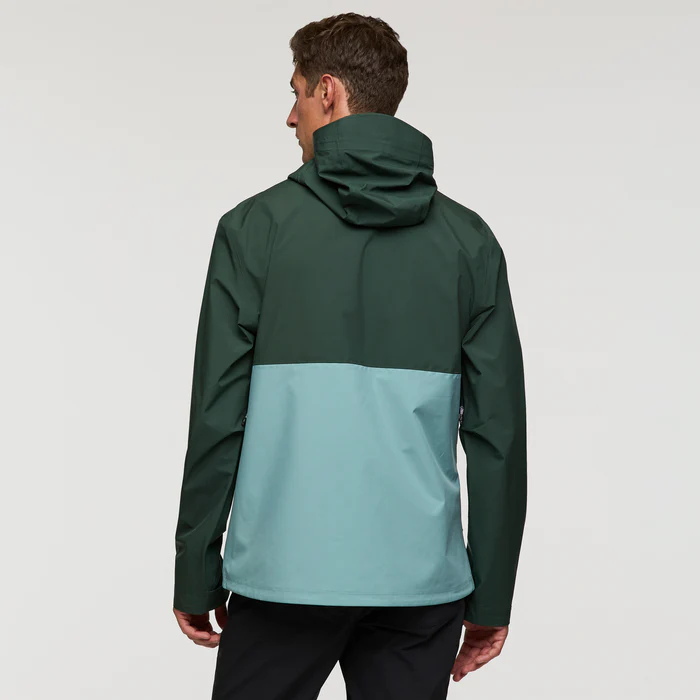
Straight out of the box, the Impermeo looks and feels ready for action. The face fabric is robust without being stiff, and there’s just enough stretch to feel like it’ll move with you rather than against you. The colorways Cotopaxi offers are always stylish, and this one is no exception—bold without being loud, technical without screaming “gear junkie.”

At 125 gsm, the weight feels light enough to pack down easily but substantial enough to inspire confidence when the clouds roll in. Add to that the fact that it’s made from 100% recycled post-consumer plastic waste (rPET), and you’ve got a jacket that doesn’t just protect you, but also minimizes environmental impact.

Waterproofing That Actually Works

Spring in the Rockies means you can go from sunny skies to sideways rain in a matter of minutes. I put the Impermeo to the test on several hikes where the forecast was “maybe rain, maybe not.” On one particular outing near Bear Lake, a sudden storm rolled through. Thunder cracked, and the downpour followed.

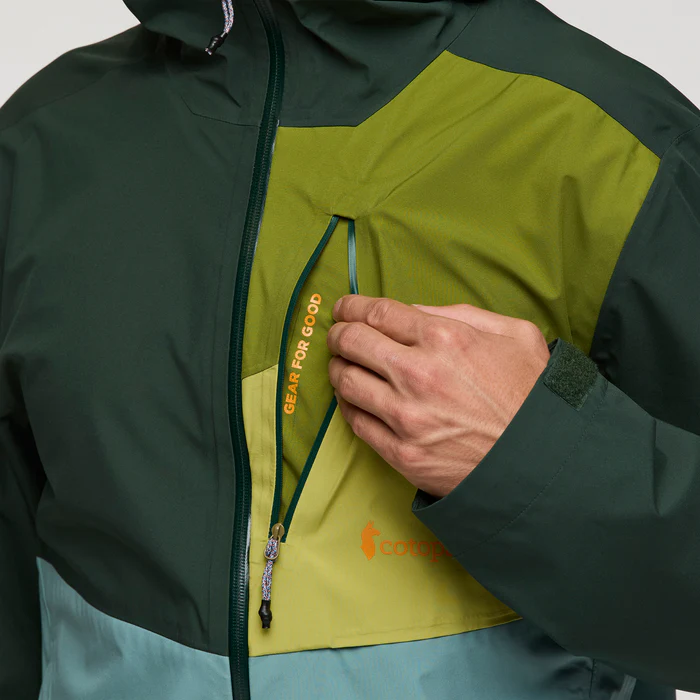
Thanks to its 10k/10k waterproof and breathability rating and fully seam-sealed construction, the Impermeo kept me completely dry—no leakage at the zippers, seams, or shoulders. The Aquaguard centerfront zipper, along with the internal storm flap, was a lifesaver. Even my phone, safely tucked away in the Aquaguard chest pocket, stayed bone dry.

Movement and Comfort

Let’s talk range of motion. I’ve worn a fair share of shells that felt like slipping into a crinkly, restrictive tarp. Not so with the Impermeo. The two-way stretch makes a massive difference on steep ascents and scrambling sections. It never felt like I had to fight the fabric to lift my arms or bend down to secure a pack strap.

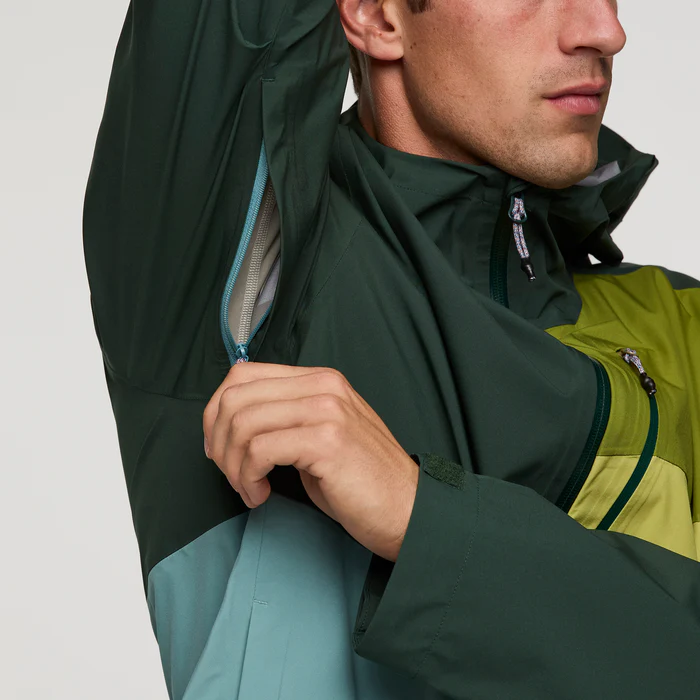
The adjustable hood, cuffs, and hem make it easy to dial in the fit, even when I’m layering over a base and midlayer. The laminated visor on the hood is a nice touch, keeping water off my face without blocking peripheral vision. And pit zips? Yes, please. On warmer hikes where rain came without a temperature drop, I cracked them open and let the airflow do its thing.

Packability

This jacket packs into its own right-hand pocket, and when I say packable, I mean it. It compresses down small enough to toss into my daypack without thinking twice. I’ve even carried it in a trail running vest on longer efforts where space was at a premium.

Having a fully waterproof, breathable jacket that takes up minimal real estate in your bag makes it much more likely that you’ll bring it “just in case” — which, as anyone who plays in the mountains knows, is the whole point.

Everyday Utility

While I bought the Impermeo with mountain missions in mind, I’ve found myself wearing it around town just as often. It’s become my go-to shell for everything from walking the dog during a drizzle to running errands when the forecast is sketchy. The fit is technical enough for performance use but clean and modern enough to pass in casual settings.

And let’s not forget the sustainability story. Cotopaxi designed this jacket without intentionally added PFAS chemicals, and it’s made from recycled materials. That feels especially relevant when you’re standing in the rain, surrounded by alpine lakes and wildflowers, grateful for companies that care about preserving the places we love.

What I Love

  • Weatherproofing: Seriously impressive protection in unpredictable weather
  • Mobility: Stretch fabric + smart cut = all-day comfort
  • Packability: Packs into its own pocket for grab-and-go use
  • Details: Aquaguard zips, storm flap, pit zips, adjustable hood with visor
  • Eco-friendly: Recycled materials, PFAS-free

Final Verdict

The Cotopaxi Impermeo 3L Hooded Shell Jacket has quickly earned a permanent spot in my hiking pack and on my coat rack. It’s the jacket I throw in when the weather is uncertain, and the one I end up grateful for when the storm inevitably arrives. Whether you’re chasing wildflowers, hiking coastal trails, or just dodging summer downpours in town, this shell delivers protection, comfort, and peace of mind.

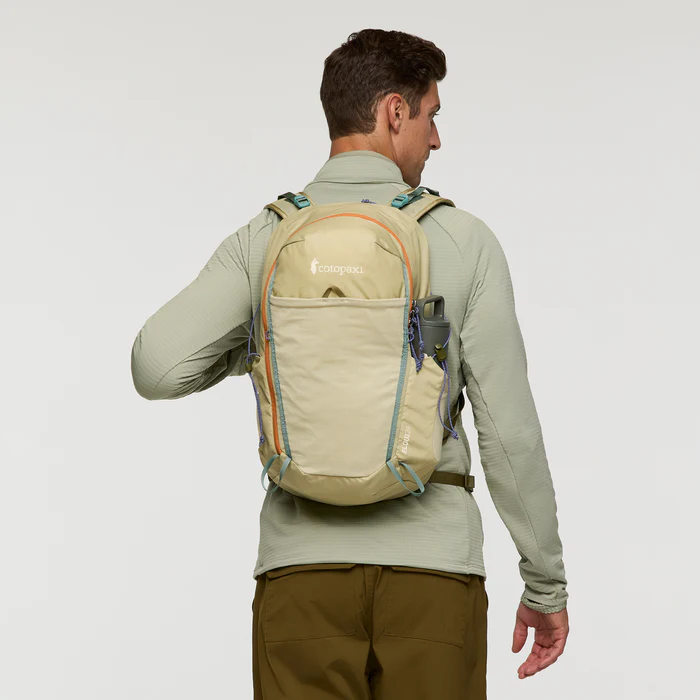
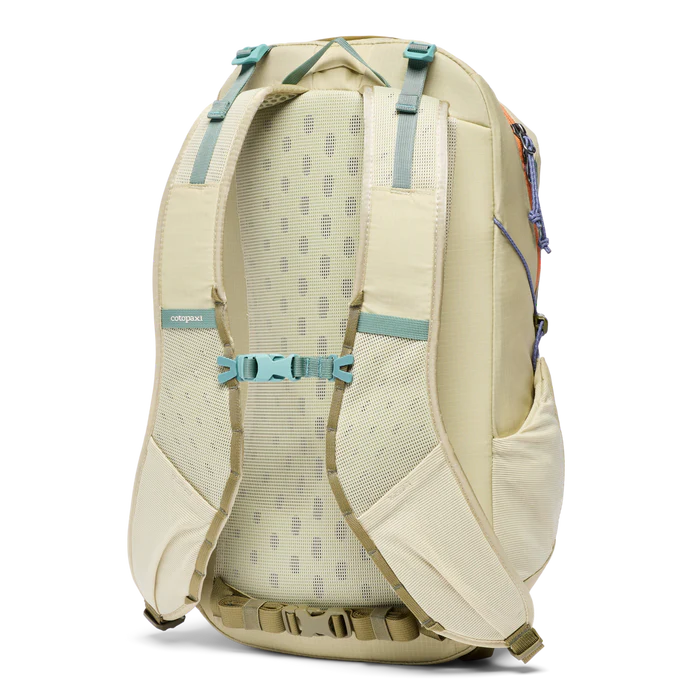
Gear Review: Cotopaxi Elqui 24L Backpack

If there’s one piece of gear that has truly earned its keep on my adventures this year, it’s the Cotopaxi Elqui 24L Backpack. Whether I’m winding my way up alpine trails in Rocky Mountain National Park or navigating my day-to-day work life, this pack hasn’t just met expectations—it’s consistently exceeded them.

First Impressions

Let’s start with the look and feel. Cotopaxi’s design DNA is unmistakable, and the Elqui 24L carries that legacy forward. Clean lines, smart color combinations, and subtle branding make it equally at home on a trail or in a coffee shop. I went with a darker colorway to mask trail dust and everyday scuffs, and it’s held up well. Right out of the box, the pack felt lightweight yet durable, a rare combination that usually means you’ve got to sacrifice one or the other. Not here.

The recycled nylon construction gives it both environmental cred and trustworthy toughness. I’ve hauled it over granite boulders, set it down in the dirt, and stuffed it to the brim—and it still looks practically new.

Trail-Tested in Rocky Mountain National Park

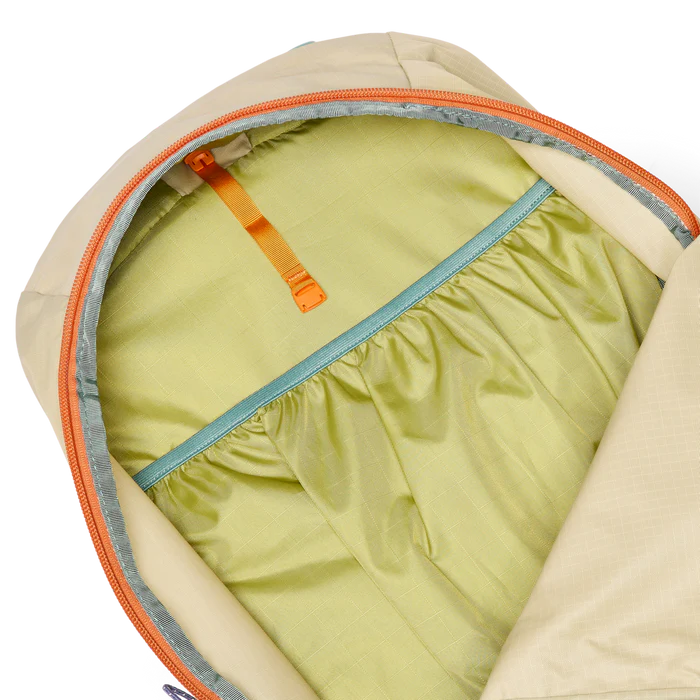
The Elqui 24L has been my go-to for day hikes in RMNP, and it’s proven itself on everything from mild meadow walks to strenuous summit pushes. With a 2L water bladder in the built-in sleeve and plenty of room left for layers, snacks, and safety gear, it strikes that sweet spot between capacity and portability.

One of my favorite aspects is the ease of access. The front panel opening is a game changer when you need to grab something quickly without rooting through the top. I’ve stashed everything from a lightweight puffy to a first aid kit in there, and the layout makes it simple to find what I need, when I need it.

The stretch mesh front pocket is my go-to spot for tossing in my Tevas or Chacos when I know there’s going to be a lake or stream worth dipping into. That dump pocket expands like a champ and doesn’t sag or bounce annoyingly while I’m moving.

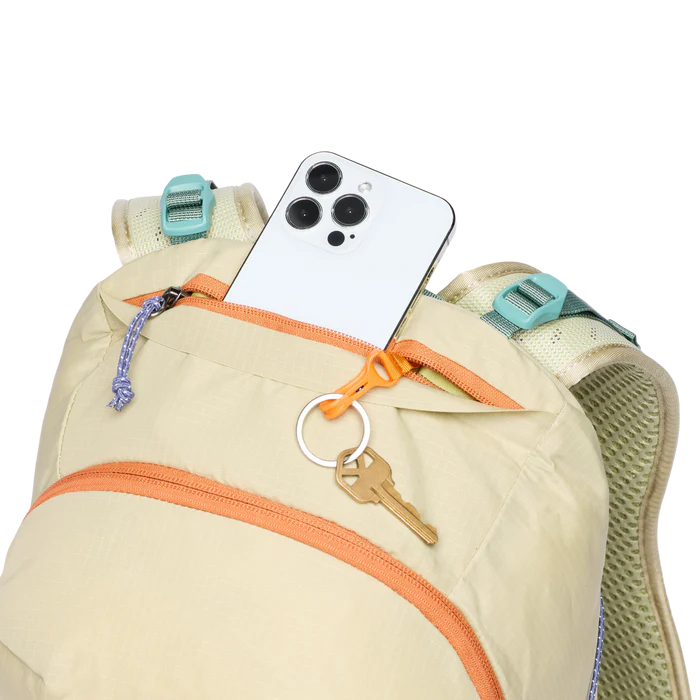
On the harness, the small stretch pockets on the shoulder straps are perfect for quick-grab items. I keep a couple of protein bars in one and my phone in the other—both stay secure and within reach. I didn’t realize how much I needed these until I had them. The hydration port is unobtrusive and works smoothly with my bladder hose setup.

Carry Comfort

Even when loaded with water, extra layers, and gear, the Elqui 24L carries like a dream. The EVA foam back panel with mesh offers solid breathability. I hike hot, so this is no small thing. The shoulder straps are padded enough to take the bite out of heavy loads without over-engineering the cushioning.

I typically hike without the waist belt on shorter outings, but it’s great to have it when I need more load stability for longer treks. The fact that it’s removable is a bonus—I can clean up the profile of the pack when I want a more streamlined fit. Same goes for the sternum strap. Cotopaxi really thought about modular comfort here.

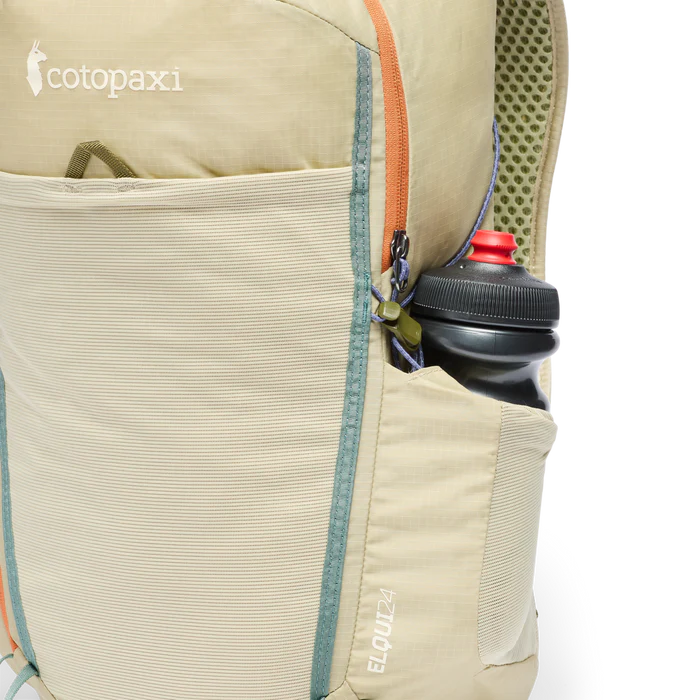
Compression straps on the sides do what they should, tightening up the load when it’s not full and giving me places to secure trekking poles or a packable camp chair. I haven’t used the ice axe loops yet, but it’s reassuring to know they’re there for winter hikes.

From Mountain to Monday: The Everyday Test

When I’m not in the mountains, this pack slides into my daily life effortlessly. The interior sleeve that cradles my hydration bladder on trail days doubles as a snug laptop compartment during the week. My MacBook fits like it was made for it, and there’s still plenty of room for chargers, notebooks, and a packed lunch.

The top grab handle makes it easy to snag the bag from the car or overhead rack, and it’s surprisingly comfortable in hand. On days when I’m heading straight from work to the trail or vice versa, I don’t have to swap bags or adjust my loadout. That kind of versatility is priceless.

I also appreciate that this backpack doesn’t scream “technical hiking pack” when I’m sitting down in a meeting or grabbing coffee with colleagues. It strikes the perfect tone between outdoor rugged and urban sleek.

Durability & Sustainability

After months of consistent use, I’ve seen no signs of wear—no fraying, no failed zippers, no torn mesh. For a backpack made entirely from recycled materials, that’s impressive. Cotopaxi has managed to prove that sustainable construction doesn’t mean sacrificing toughness.

Even the little details hold up: the zipper pulls are grippy, even with gloves on; the buckles snap solidly; and the stitching is tight and clean. It feels like a pack I’ll have for years.

Final Thoughts: Who This Pack Is For

If you’re someone who splits your time between the backcountry and the city, this bag is built for you. The Elqui 24L hits a real sweet spot for day hikers, minimalists, and weekend warriors who want one bag that can do it all.

For the committed day hiker, you get ample storage, hydration compatibility, and trail-ready features in a compact, lightweight form. For the commuter or remote worker, you get sleek aesthetics, laptop storage, and comfort-forward design.

Is it the only bag you’ll ever need? Probably not—if you’re heading out on multi-day excursions, you’ll want something larger. But for 90% of what I do in the outdoors, and 100% of my day-to-day, the Elqui 24L has been the perfect companion.

Tracksmith Fieldhouse Collection – Built for the Work Between the Miles

As a dedicated runner, I know the work that matters most often happens outside of the actual miles. It’s the strength sessions, the mobility drills, the cross-training work in my home gym that build the foundation for every run. That’s why I started training in the Tracksmith Fieldhouse Collection, a set of gear designed for precisely this purpose: the off-route grind. In this review, I’ll break down my experience with three core pieces from the collection—the Fieldhouse Tee, Fieldhouse Tank, and Fieldhouse Shorts—all tested during my home gym routines.

A New Kind of Training Uniform

Tracksmith has always had a knack for blending heritage athletic aesthetics with modern performance. The Fieldhouse Collection nails this ethos. With vintage-inspired silhouettes, durable construction, and functional tech fabrics, each piece looks and feels like it belongs both in a classic fieldhouse and a high-performance training facility. In my case, that’s the garage gym I’ve built into a personal sanctuary for sweat equity.


Fieldhouse Tee: Classic Form Meets Functional Sweat Gear

Overview
I didn’t expect a cotton-blend shirt to become my go-to for gym work, but Tracksmith’s Fieldhouse Tee has proven me wrong. It’s made from an ultra-light slub cotton blend with Dri-Release® technology, which means it pulls moisture away from the skin and dries much faster than traditional cotton.

Performance in the Gym
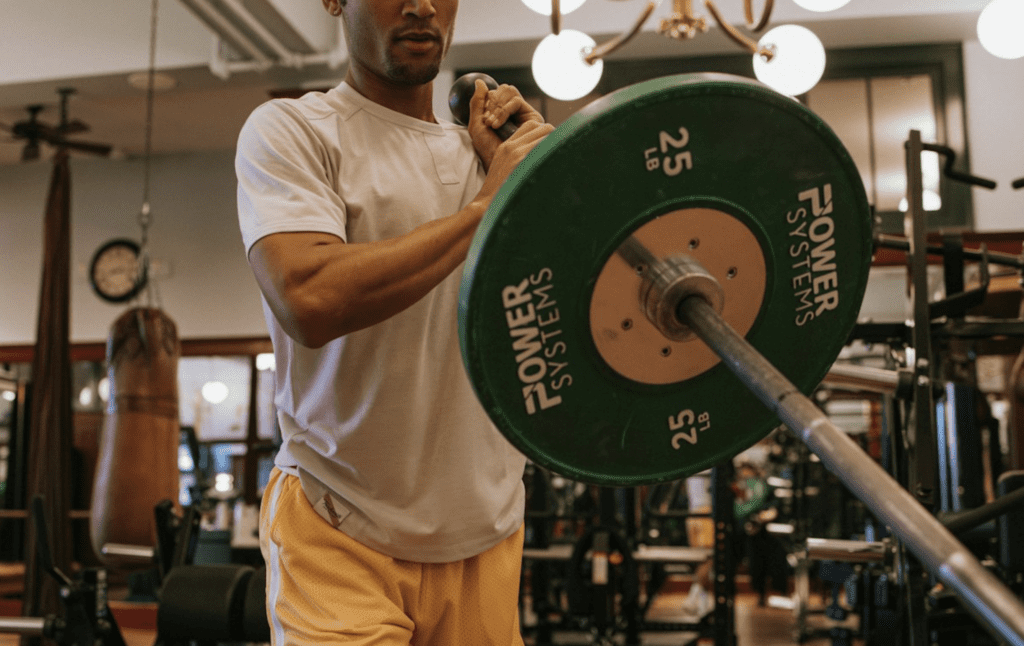
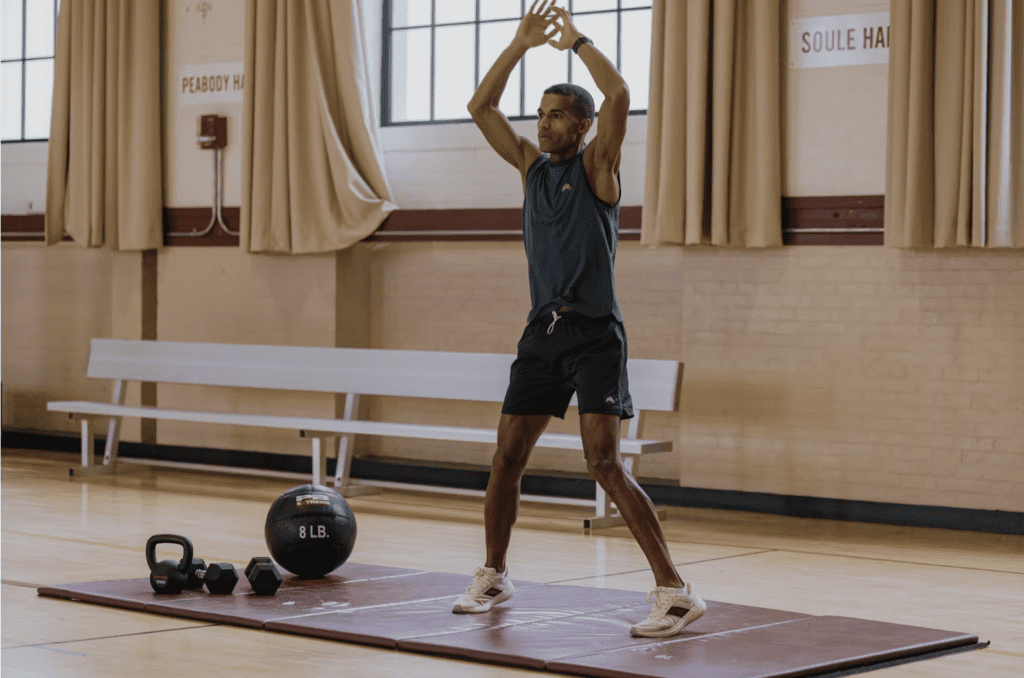
In my home workouts, which usually include kettlebell circuits, deadlifts, and treadmill intervals, the Tee holds up brilliantly. I stay dry, even during high-rep sets and longer metcons. The mesh-lined shoulder panel and back yoke offer added structure without bulk, keeping the fit just right through overhead presses or rows.

Design Details
It has a relaxed crewneck, a subtle racing stripe down the back, and a woven label that feels premium but not precious. The hare logo on the sleeve is a great nod to Tracksmith’s roots. This tee is more than a base layer—it’s an upgrade to the basic gym shirt.

Verdict: Lightweight, breathable, and understatedly sharp. It’s built for the grind but wears like a classic.


Fieldhouse Tank: Sleek, Sweat-Ready, and Uncompromising

Overview
For days when I want max airflow—think kettlebell swings, jump rope, or HIIT—I switch to the Fieldhouse Tank. It shares the same breathable slub cotton blend and Dri-Release® tech as the Tee but with added freedom of movement.

Performance in the Gym
The sleeveless cut allows for full range during lifts and mobility work. Whether I’m doing Turkish get-ups or battle ropes, the fabric doesn’t cling or sag. It stays light even after a tough sweat session. The mesh-lined shoulder and back yoke add a durability layer I didn’t expect in a cotton tank.

Design Details
It’s got the same athletic elegance of the Tee—clean lines, a classic racerback-inspired silhouette, and the subtle hare logo. The racing stripe down the back gives it a finishing touch that makes me reach for it again and again.

Verdict: An ideal top for hard, sweaty days when performance takes priority but style still matters.


Fieldhouse Shorts: Mesh Muscle with a Nod to the Greats

Overview
If there’s one piece that surprised me most, it’s the Fieldhouse Shorts. I wasn’t sure how I’d feel about unlined mesh, but these things have quickly become my default for leg day, plyos, and even casual recovery walks.

Performance in the Gym
Built from double-layered featherlight mesh, they balance airflow with durability. The 5.5″ inseam provides just enough coverage without getting in the way, and the fabric breathes like a dream. Even during sled pushes and box jumps, they stay put and don’t ride up.

Design Details
Tracksmith kept it simple: two hand pockets, a functional drawstring waist, and that subtle nod to old-school gym shorts. The hare logo on the leg and the racing stripe on the waistband round out the look. It’s a modern training short built on the bones of a classic.

Verdict: Built for gym work, inspired by running heritage. Light, tough, and timeless.


Why This Collection Works for My Home Gym Routine

The Fieldhouse Collection isn’t just for runners cross-training at the local Y. It’s for anyone who understands that strength, mobility, and endurance are built in the margins—the stuff outside the spotlight of the long run.

In my home gym, I’m chasing performance in a private space, with no distractions. I want gear that moves with me, stays dry, holds up, and still feels good enough to wear between sets when I grab a coffee or take a recovery walk.

Tracksmith delivered. These pieces do the work. They match the intensity I bring to the barbell and the mat, and they fit seamlessly into the lifestyle that surrounds my running.


Final Thoughts

Fieldhouse Tee: 9/10 – Light, breathable, sharp. The gym shirt redefined.
Fieldhouse Tank: 9.5/10 – Maximum mobility and ventilation in a sleek design.
Fieldhouse Shorts: 10/10 – The best training shorts I’ve worn in years.

This isn’t just activewear. It’s a training kit with soul—steeped in running culture, built for the work that makes us faster, stronger, and more resilient.

For anyone investing in the in-between moments, the off-route grind, or just training hard from home: the Tracksmith Fieldhouse Collection belongs in your rotation.

Shokz OpenFit 2 Review

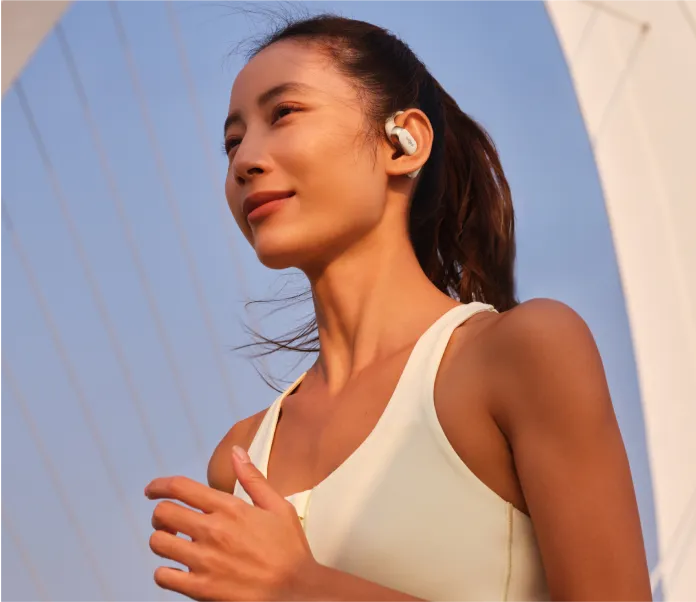
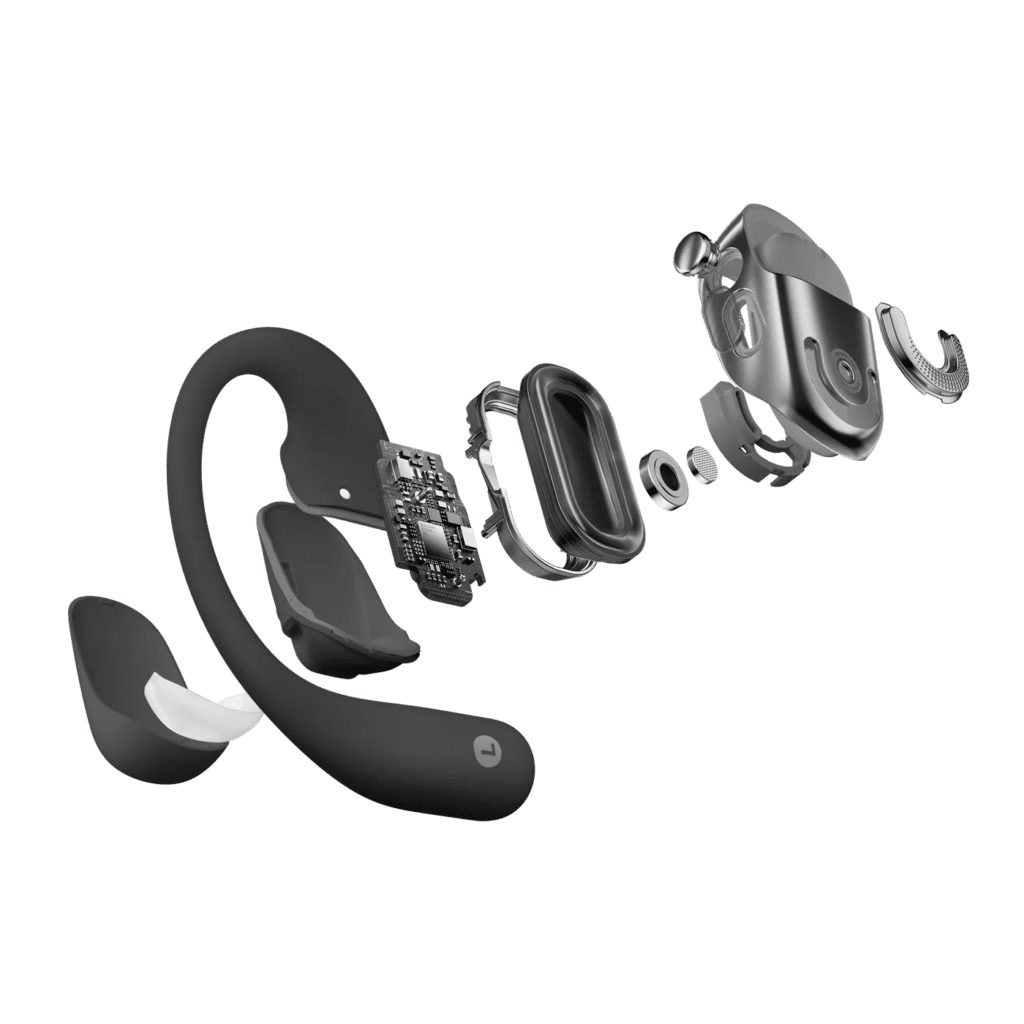
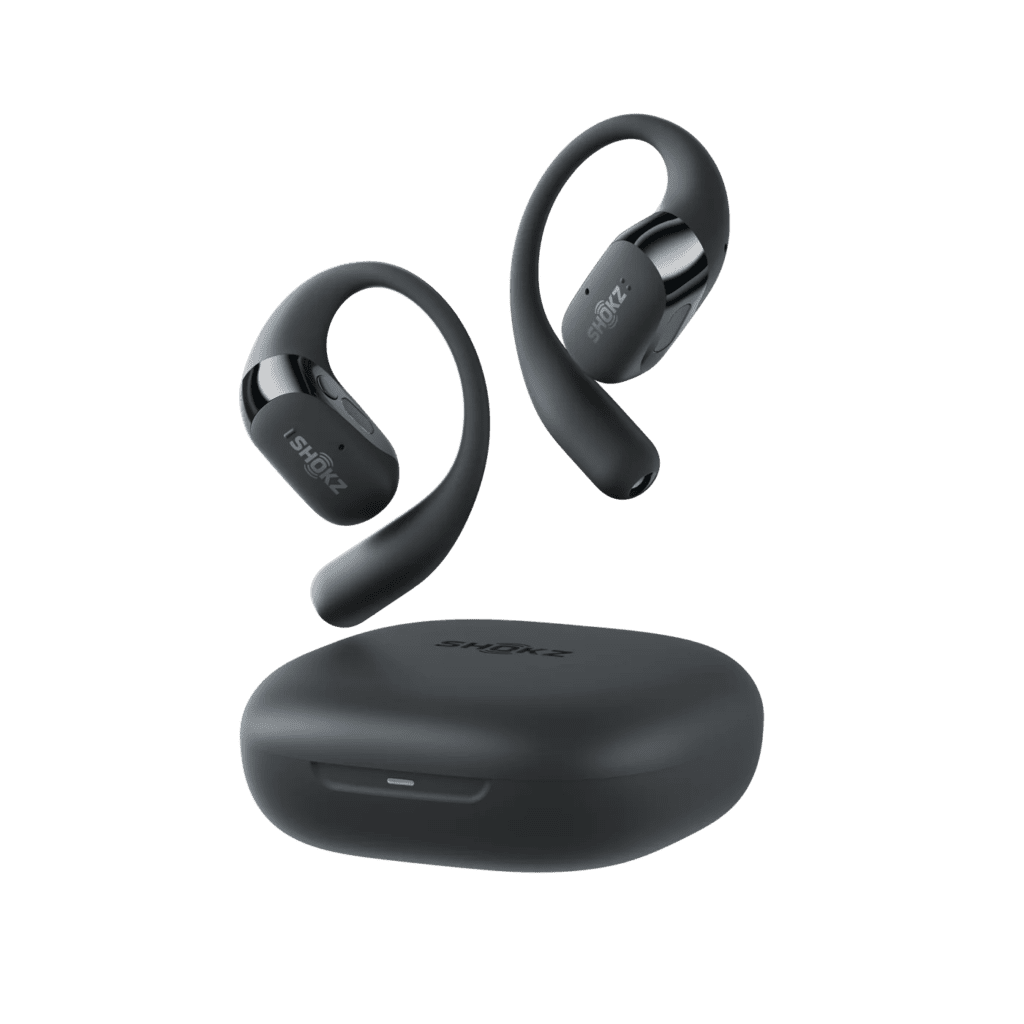
Shokz is known for its open-ear listening solutions, and the OpenFit 2 brings a twist on what “open-ear” can mean. Instead of leveraging bone conduction like the brand’s other models, these rest against your ear’s outer surface—particularly along the tragus—allowing you to hear external sounds as you enjoy music, podcasts, or calls. As an avid runner and outdoor enthusiast, I took the OpenFit 2 through a gauntlet of tests—road runs, technical trail runs, cycling, hiking, neighborhood walks, household chores, and even meditation sessions—and here’s how they measured up.


Design & First Impressions

  • Open-Ear with a Twist
    Rather than hooking over the cheekbones, the OpenFit 2 perches against the tragus and the area around your outer ear. Initially, I was a bit concerned about fit. After all, if they’re not snugly tucked into the ear canal, how would they stay put?
  • Comfort & Soreness
    At first, I felt a mild soreness on the tragus after about an hour. This was especially noticeable during my initial runs. Thankfully, the discomfort eased off as I wore them more frequently—I chalked this up to a slight “breaking-in” period for both me and the headphones.
  • Security
    Despite my worries that these might bounce out (especially during technical trail runs), they never actually did. The band that curls around your ear provides a stable fit that’s surprisingly secure. Even when I was dodging rocks and hopping over roots, the OpenFit 2 stayed exactly where they were supposed to be.

Open-Ear Benefits

  • Situational Awareness
    One of the biggest perks of any open-ear design is that you stay connected to the world around you. On busy sidewalks or when cycling, it’s crucial to hear oncoming traffic or the chatter of fellow trail users. With the OpenFit 2, I could enjoy a podcast while still catching the honk of a car horn or a friendly “on your left” from a passing runner.
  • Hearing Health & Comfort
    Because the ear canal isn’t plugged, the air circulation may help reduce moisture buildup and possible ear fatigue. I also appreciated not having that “sealed-off” feeling you get from traditional in-ear buds, especially when wearing them indoors for chores or while meditating.

Performance & Sound Quality

  • Air Conduction vs. Bone Conduction
    Unlike Shokz’s bone conduction lineup, the OpenFit 2 uses air conduction technology to project sound toward your ear. The tradeoff is a bit more direct audio experience than bone conduction, though you still won’t get the complete audio isolation of typical earbuds.
  • Shokz DualBoost™ Technology
    The OpenFit 2 is designed to deliver dynamic sound, with a bit more bass presence than early open-ear headsets. Highs and mids are clear enough for spoken content (like audiobooks or guided meditations). For music, the overall profile is warm, though it understandably lacks the fully enclosed, booming bass you’d get from sealed earbuds.
  • Volume & Ambient Noise
    To my surprise, the OpenFit 2 could get fairly loud. However, the louder you push them, the more sound can leak out for those around you. If you’re in a quiet office, keep volumes at moderate levels to avoid disturbing co-workers.

Battery Life

  • Up to 11 Hours
    Shokz advertises up to 11 hours on a single charge, which in my tests came fairly close. Daily usage included a run, a mid-day walk, plus some evening chores—totaling around 2–3 hours of playtime a day—and I only had to charge the case every few days.
  • Case Charging & Quick Top-Ups
    The case provides additional on-the-go recharges (Shokz claims up to 48 hours total, factoring in multiple recharges). Even a short 5–10 minute top-up gave me enough juice for an hour or two of listening.

Real-World Testing

  1. Road Runs
    • Fit & Comfort: Once I found the sweet spot, I barely noticed them.
    • Audio & Awareness: Hearing traffic on busy streets felt natural, and I could also keep up with my playlist or favorite running podcast.
  2. Trail Runs
    • Bouncing Concerns: No issues with them dislodging, even on rocky or root-laden trails.
    • Soreness Factor: Early on, the extra friction along the tragus was noticeable. This lessened over time.
  3. Cycling
    • Helmet Friendly: Since the buds rest on the outer ear, I had no trouble fitting a standard bike helmet over them.
    • Ambient Sound: Loved being able to hear both my music and the rush of the wind. It’s a big safety plus on the road.
  4. Hiking & Walks
    • Long Duration: Ears felt fine for the first hour or so, then a bit sensitive. By the second or third outing, I was fully comfortable.
  5. Indoors (Podcasts & Chores)
    • Household Tasks: Hearing someone call my name while vacuuming or cooking is so much simpler with open-ear designs.
    • Meditation: For guided meditations, the open feel let me stay aware of my environment but still focus on the instructions.

Potential Drawbacks

  • Not Full Noise Isolation
    If you need absolute quiet or want to block out the world (e.g., a noisy flight or shared office), open-ear might not be the best choice.
  • Initial Tragus Pressure
    You may experience mild soreness or pressure, especially if you’re new to open-ear buds that rest on the tragus. With wear and adjustment, most people should adapt.

Final Thoughts

The Shokz OpenFit 2 is a worthy evolution of open-ear audio, delivering a comfortable design (once you adjust), decent sound quality, and—most importantly—excellent situational awareness. For runners, cyclists, hikers, or even those of us who just want to hear the doorbell while streaming a podcast, the OpenFit 2 strikes an appealing balance.

While you won’t get deep, studio-quality bass and complete noise cancellation, you will get a safer, more social listening experience that’s friendly to your eardrums. If you can handle a brief adjustment period for your tragus and accept that open-ear design inevitably leaks some sound, the Shokz OpenFit 2 is a strong companion for both workouts and everyday life.

Bottom Line: For anyone who values a blend of environmental awareness, comfortable wear, and respectable audio, the OpenFit 2 is well worth a look—especially if you’re active or simply prefer not to seal off your ears.

Shokz OpenRun Pro 2 Review

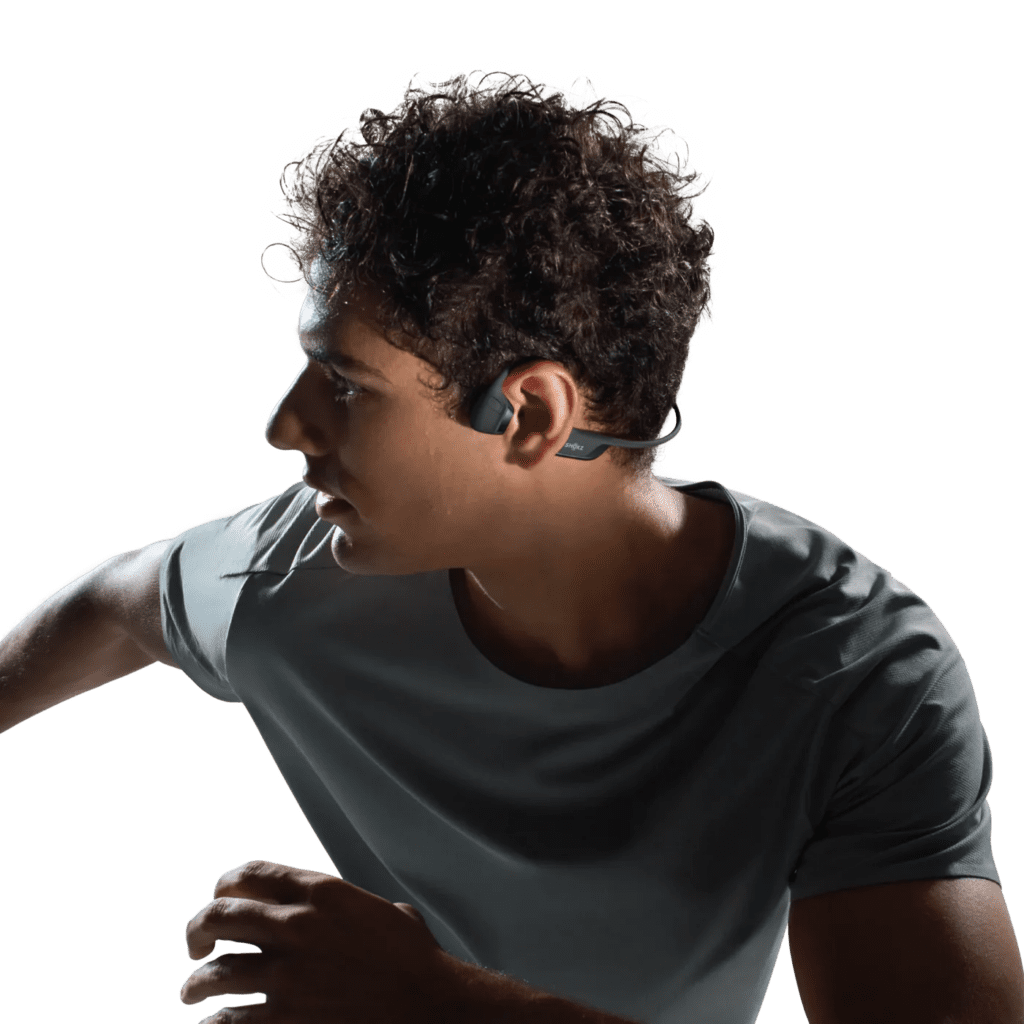
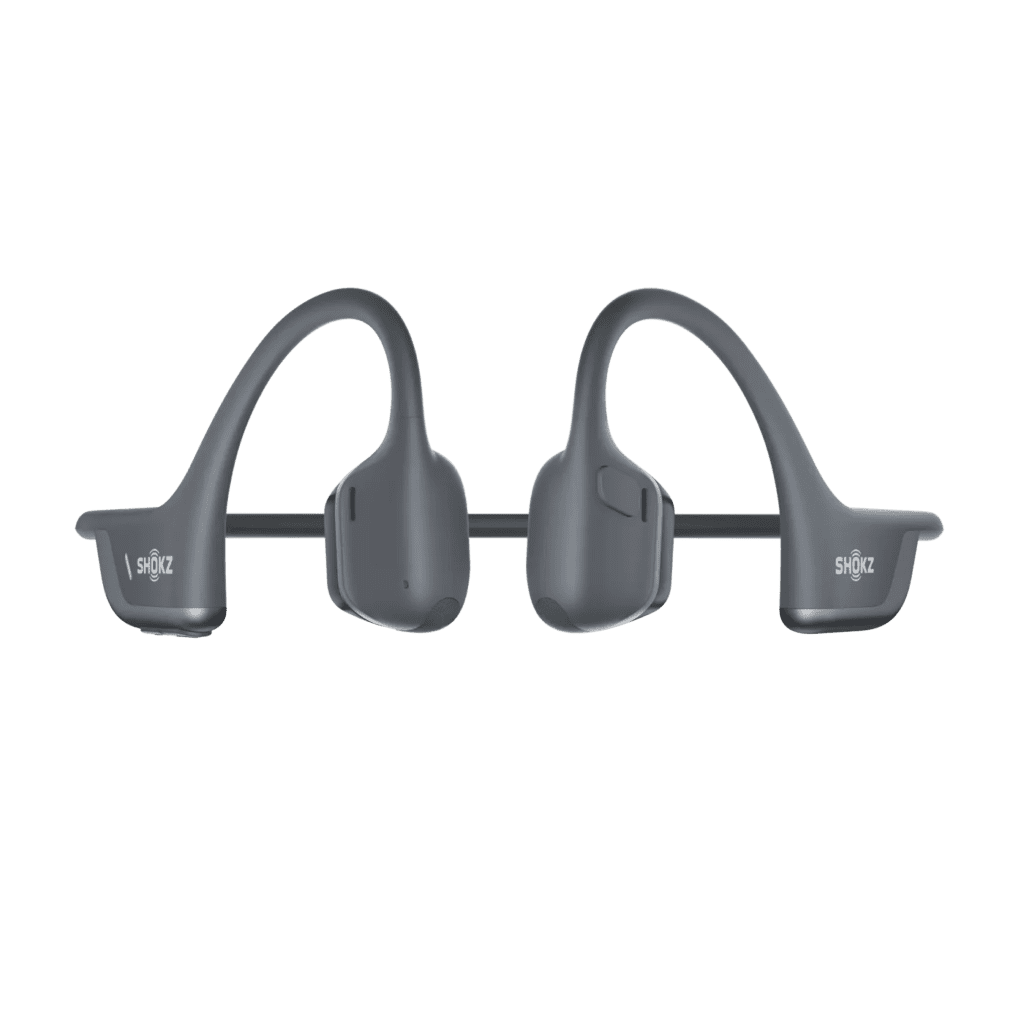
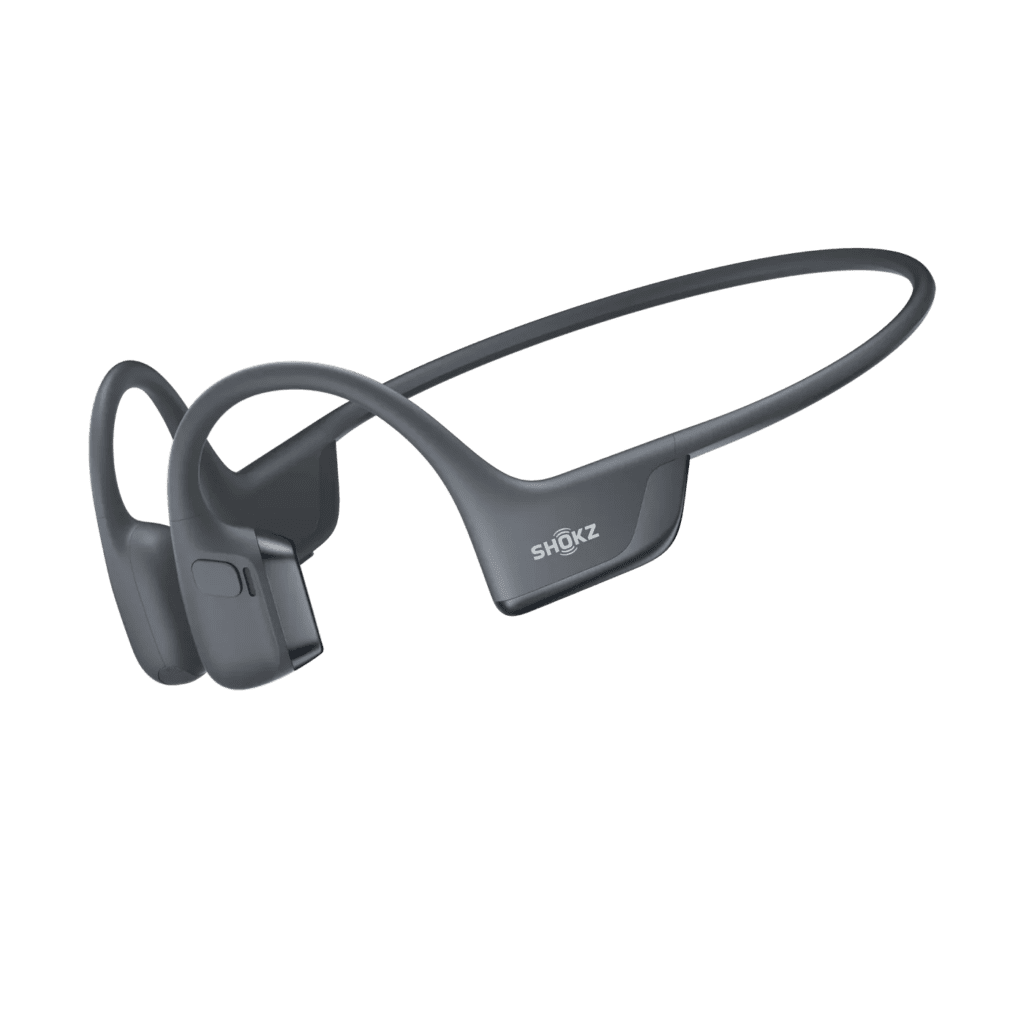
The Shokz OpenRun Pro 2 are the latest bone conduction headphones in Shokz’s lineup, and they merge innovative audio engineering with all-around practicality. From road runs to cleaning the house, I’ve tested these in a wide range of environments. What makes them truly stand out, though, is the use of bone conduction technology—a system that, in my experience, helps you stay more aware of your surroundings and can benefit your overall hearing health.


What Is Bone Conduction Technology?

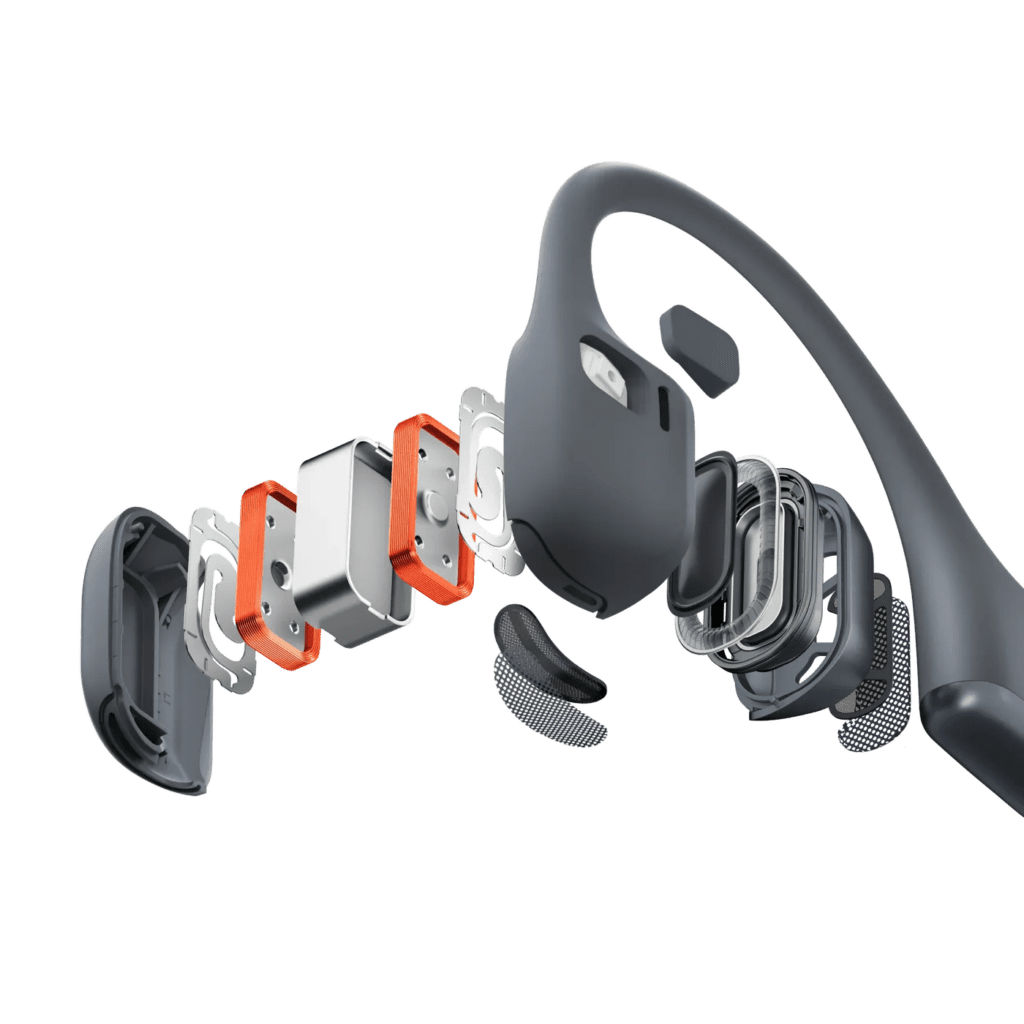
Bone conduction headphones sit just in front of your ears on your cheekbones, sending tiny vibrations through the bones in your skull (instead of traveling through your ear canal). This process bypasses the eardrums altogether to deliver sound directly to your cochlea.

Here’s why it matters:

  1. Open-Ear Awareness:
    • Because your ears aren’t plugged or covered, you remain keenly aware of ambient sounds—traffic, conversation, or even a friend calling your name from behind. As a result, bone conduction headphones are particularly appealing to cyclists, runners, or anyone who wants to enjoy audio while maintaining a sense of what’s going on around them.
    • From a safety standpoint, this open-ear design is a game-changer. When you’re zipping through busy streets on a bike or running on trails with wildlife (and the occasional rattlesnake), being able to hear what’s happening around you could literally save your life.
  2. Potential Health Perks:
    • With traditional in-ear or over-ear headphones, the ear canal is sealed or partially blocked, which can promote moisture buildup. While not everyone experiences this, that trapped moisture may lead to discomfort or increased susceptibility to ear infections. Bone conduction technology leaves your ear canals open to the air, reducing that risk.
    • Another advantage for many people is the reduced ear fatigue. When you’re not blasting music straight into your ears, you’re lowering the impact on your eardrum. Though more research is certainly needed, it’s commonly believed that this can be gentler on overall ear health, especially for prolonged listening sessions.

Design & Comfort

  • Lightweight and Stable: Despite incorporating the 10th Generation Bone Conduction Technology and Shokz’s new DualPitch™ approach (which uses both bone and air conduction components), the OpenRun Pro 2 are still comfortable over multiple hours of activity. The band wraps around the back of your head securely, while the transducers rest lightly against your cheekbones.
  • Helmet Compatibility: For cyclists, one big concern is whether headphones fit comfortably beneath a helmet—and these do so with ease. You’re not forced to adjust or remove your ear padding or straps because they sit outside the ear canal.

Sound Quality & Vibrations

  • DualPitch™ Technology: This feature blends bone conduction and specialized air conduction units. The result? Enhanced bass response compared to many older bone conduction models. You feel a subtle vibration on heavier beats, but it’s far less pronounced than with previous generations of bone conduction headphones.
  • Open-Ear, Not Open-Wind: While you’ll certainly hear wind noise if you’re running or cycling on breezy days, I found it didn’t overpower my music or podcast. In fact, it’s surprising how well the OpenRun Pro 2 balances environmental sounds without sacrificing your audio.

Safety and Situational Awareness

  • Safer Exercise: The open-ear format is ideal for urban runners and cyclists who need to hear oncoming traffic or pedestrian signals. Even on technical trail runs, you can pick up the distant crunch of another hiker’s footsteps or a rattlesnake’s telltale rattle—crucial cues you’d never want to miss.
  • Community Connection: Outside of workouts, I found these useful in everyday life—like when you’re strolling around the neighborhood or walking to work, but you still want to catch the conversation of a friend or coworker without needing to pop out an earbud.

Battery Life & Convenience

  • Up to 12 Hours: You get nearly half a day of battery life on a full charge. That’s more than enough for back-to-back workouts, extended hiking trips, or a long day’s worth of chores.
  • Quick Charge: A brief 5-minute charge yields about 2.5 hours of usage, perfect if you realize at the last minute that your headphones need a top-up.
  • USB-C Port: Shokz finally ditched their proprietary charging cable in favor of a standard USB-C port. No more hunting around for a specialized cable—just plug in, recharge, and go.

Real-World Testing

  • Trail & Road Runs: On road runs, I appreciated how seamlessly I could hear traffic and my own footsteps. When I shifted to uneven trails, I never had to worry about missing the thud of a dropped rock or an oncoming mountain biker.
  • Cycling: The back band nestles neatly under a typical bike helmet. Calls were audible, and my voice came through reasonably clearly. Even pedaling into a headwind, I was able to hear my music well.
  • Everyday Use:
    • Indoor Chores: If I was vacuuming or cooking, I could easily listen to a podcast while still hearing if someone knocked on the door.
    • Meditation & Calm: For guided meditations, I loved that my ears weren’t covered—helping me stay aware of my surroundings while still immersing myself in relaxing audio.
    • Longer Wear: No ear fatigue or soreness around my temples, even after a few hours.

Potential Downsides

  • Sound Isolation: Because they’re open-ear, you’ll never get that fully enclosed, bass-thumping experience as you would with in-ear or over-ear headphones. For most outdoor adventurers, that’s a worthwhile tradeoff for increased safety and awareness.
  • Water Resistance: They carry an IP55 rating, which is fine for sweat and light rain. If you plan to swim with them, however, they aren’t fully waterproof.

Final Thoughts

If you’re looking for headphones that protect your awareness of the world—and potentially your hearing—Shokz OpenRun Pro 2 offer an outstanding solution. The bone conduction design means you can hear critical sounds around you while still enjoying quality audio. Plus, there’s peace of mind in knowing you’re not blasting your eardrums directly.

For runners, cyclists, hikers, and even busy parents juggling chores at home, this open-ear approach delivers both safety and comfort. Add in the 12-hour battery, improved bass response, and a hassle-free USB-C charging port, and you have a well-rounded package. It’s a significant evolution of the bone conduction concept, promising audio that’s more immersive than you’d think—without cutting you off from the environment you want (and need) to hear.