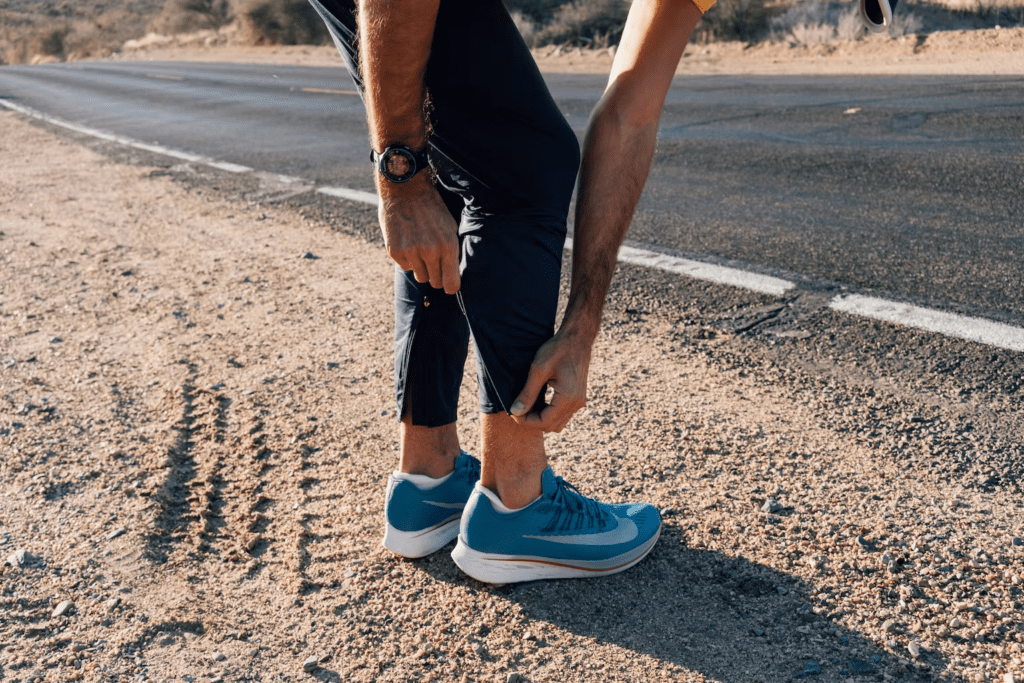
fbpx

Tracksmith Run Cannonball Run Linen Popover Review: The Running Shirt You Can Wear to Dinner

“Linen” and “running shirt” are not words I ever expected to see in the same sentence.

Linen is the fabric of beach weddings and porch naps. It wrinkles if you look at it wrong. It’s the last thing you’d grab for a sweaty summer run. So when Tracksmith built a linen popover and pitched it as something you could actually run in, my first reaction was a raised eyebrow.

My second reaction, after wearing it, was: oh.

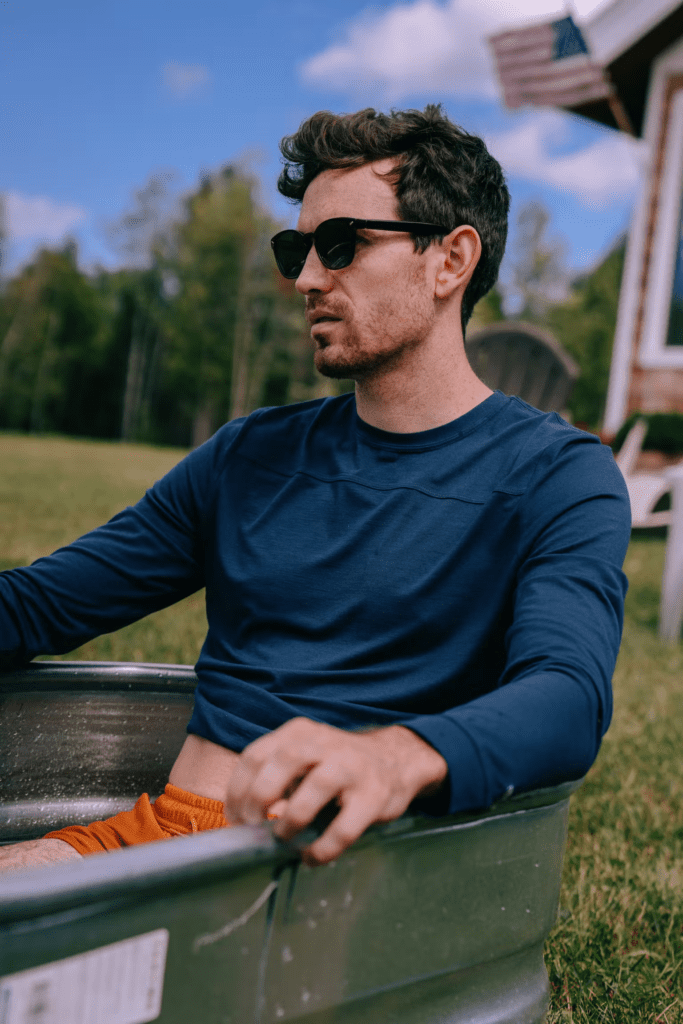
The Tracksmith Run Cannonball Run Linen Popover is part of the same Run Cannonball Run collection as their run-and-swim shorts, and it follows the same logic: gear that erases the line between a workout and the rest of your summer day. It’s a running shirt that doesn’t look or feel like one—and that turns out to be the whole point.

Linen, Reengineered

The trick is that this isn’t really your grandfather’s linen.

It’s a blend—59% polyester, 28% linen, 13% Coolmax®—built around a Japanese performance linen. That mix is what makes the magic work. The linen brings the dry, breathable handfeel and the lived-in texture that makes the shirt look good off the run. The Coolmax® fibers handle the part linen can’t: actively wicking moisture away from your skin so you stay cooler and drier when the effort ramps up.

Linen has actually been a hot-weather performance fabric for centuries—the ancient Egyptians and Victorian tennis players were onto something. Tracksmith just dragged it into the technical era. The open weave moves a genuinely surprising amount of air, and unlike traditional linen, the construction resists hard creasing. It softens and relaxes instead of crumpling.

Does It Actually Run?

This was the real question, so I ran in it.

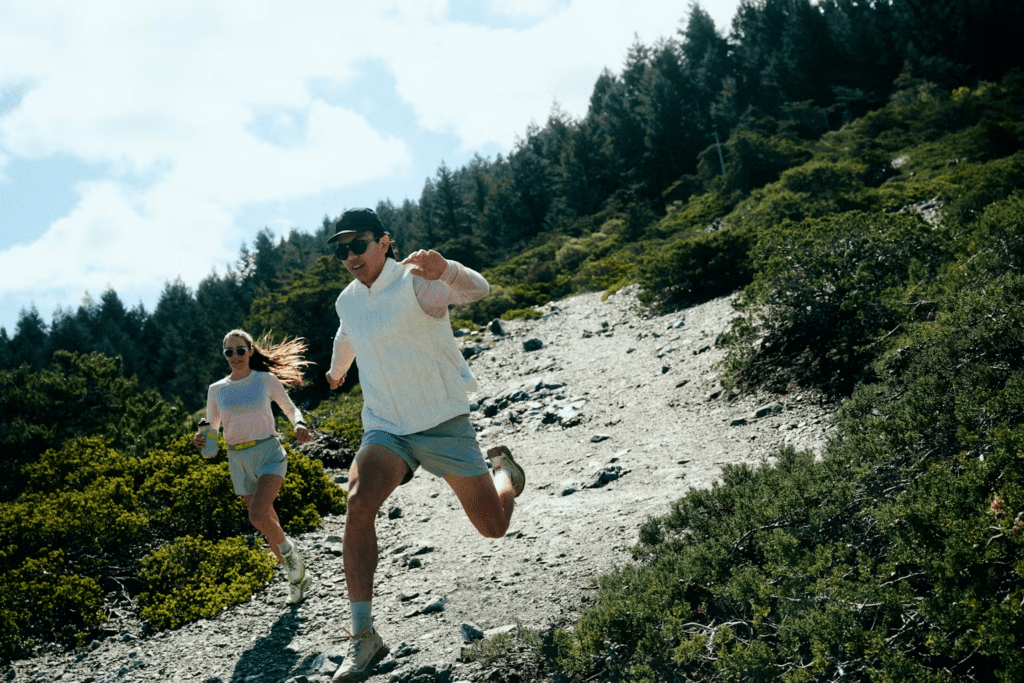
On warm Colorado mornings, the popover breathes like a proper summer running shirt. Air moves through the open weave, and the Coolmax content keeps sweat from turning the fabric into a wet rag. The relaxed fit with dropped armholes gives you full, easy range of motion—no binding at the shoulders when your arms are working—and the center-back box pleat adds a little extra freedom through the stride.

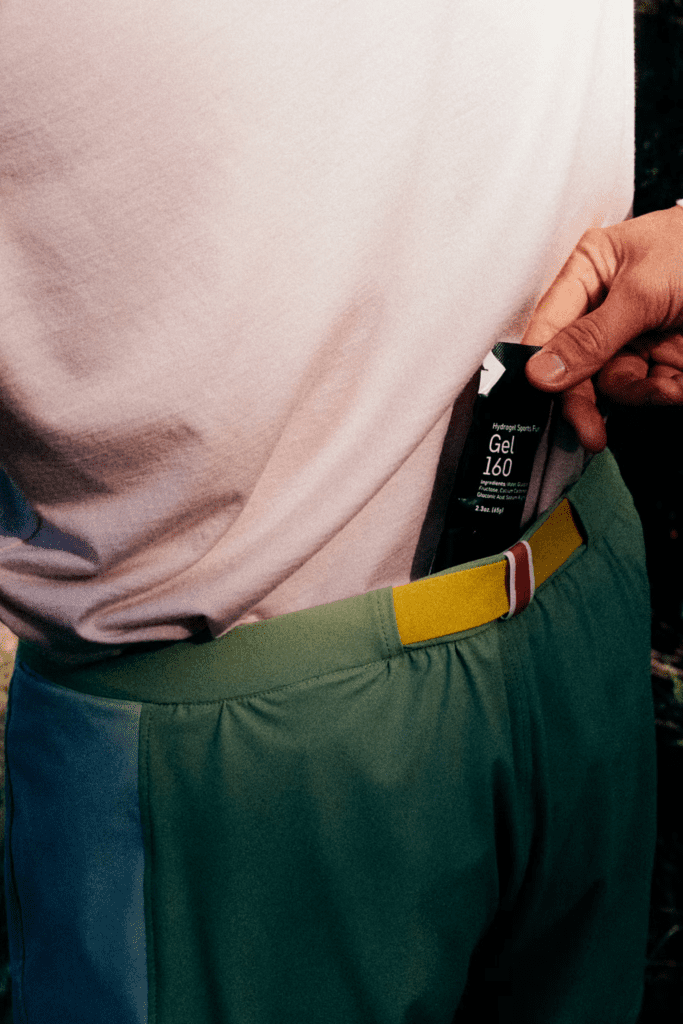
A few thoughtful running details give it away as Tracksmith and not just a nice shirt: a drop-in pocket on the left chest (finished with their signature hare embroidery) for a key or a gel, tailored barrel cuffs, and clean “sash” plackets. It’s a popover, so it pulls on easy and layers off easy when the sun gets high.

Is it a tempo-day singlet? No. This is a shirt for easy summer miles, recovery jogs, and the long, social runs where comfort matters more than aerodynamics. In that lane, it genuinely delivers.

The Real Superpower: It Goes Everywhere

Here’s where the popover earns its keep.

Most running shirts have exactly one job, and they look like it. This one moves straight from an early run to a post-swim layer to the deck at happy hour without a costume change. After a Colorado trail run that ended near water, I threw it on damp over the swim, and twenty minutes later it looked like I’d been wearing it casually all day. That’s not normal running-gear behavior.

That versatility makes it a travel weapon. The crease-resistant construction means it survives a stuffed carry-on and comes out looking intentional, not slept-in. On a summer trip where you’re trying to pack light, a single shirt that covers your morning run, your beach afternoon, and your dinner reservation is doing the work of three. Save the space.

Fit, Color, and the Price Question

The fit is relaxed and easy—dropped armholes and a clean silhouette that reads more “linen shirt” than “athletic top,” which is exactly the intent. It comes in two summer-friendly colorways, Cloud Blue and Soft Chambray Blue.

At $165, it’s the most you’ll spend on a single piece in this collection, and there’s no pretending otherwise. But the math changes when you stop thinking of it as a running shirt and start thinking of it as a running-shirt-slash-travel-shirt-slash-going-out-shirt that replaces several pieces in your bag. Judged as a one-garment summer wardrobe, the premium gets a lot easier to justify.

One care note worth knowing up front: machine wash cold, lay flat to dry, and skip the iron and the dry cleaner. Slightly more fuss than a poly tee, but standard for the fabric.

Colorado Mornings, Travel Days

Colorado gave it the running test—warm, dry, high-altitude mornings where breathability and moisture management actually matter. It passed comfortably, staying cool and non-clingy through easy efforts.

The travel test was where it pulled ahead of anything else in the rotation. Packed, unpacked, run in, swum near, and worn to dinner—all without looking like it had been through any of that. Few pieces of running apparel can survive that itinerary and still belong on the back deck at sunset.

No shirt is going to make you faster. But one that quietly does five jobs and looks good doing them? That’s a different kind of value.

The Verdict

The Tracksmith Run Cannonball Run Linen Popover answers a question nobody thought to ask: what if your summer running shirt was also the best travel shirt you own?

The performance-linen-and-Coolmax® blend makes linen genuinely run-ready—breathable, moisture-managing, and far more durable than the fabric’s reputation suggests. Pair it with smart running details and a silhouette that looks at home anywhere, and you’ve got a piece that blurs the line between training and the rest of your day.

It’s a splurge. But for the runner who wants to pack one shirt and let it do everything—run, swim, happy hour, repeat—it’s exactly the kind of gear that justifies the closet space.

Technical Specs at a Glance

Run Cannonball Run Linen Popover

  • Fabric: 59% polyester, 28% linen, 13% Coolmax® (Japanese performance linen blend)
  • Performance: Coolmax® moisture-wicking, open construction for airflow and breathability
  • Fit: Relaxed, with dropped armholes and a center-back box pleat for freedom of movement
  • Details: Left-chest drop-in pocket with hare embroidery, tailored barrel cuffs, sash plackets, popover styling
  • Colors: Cloud Blue, Soft Chambray Blue
  • Price: $165
  • Care: Machine wash cold with like colors, lay flat to dry, do not iron, do not dry clean

Tracksmith Run Cannonball Run Shorts Review: Run Hot, Plunge Cold

Some of the best summer runs don’t end at the trailhead. They end waist-deep in cold water.

In Colorado, that’s not a stretch. Half the trails I love finish near an alpine lake, a reservoir, or a creek cold enough to make you gasp. The problem is that most running shorts hate getting wet. The liner clings. The fabric stays soggy for the entire drive home. And anything that felt light at mile one feels like a wet diaper by the time you’re back at the car.

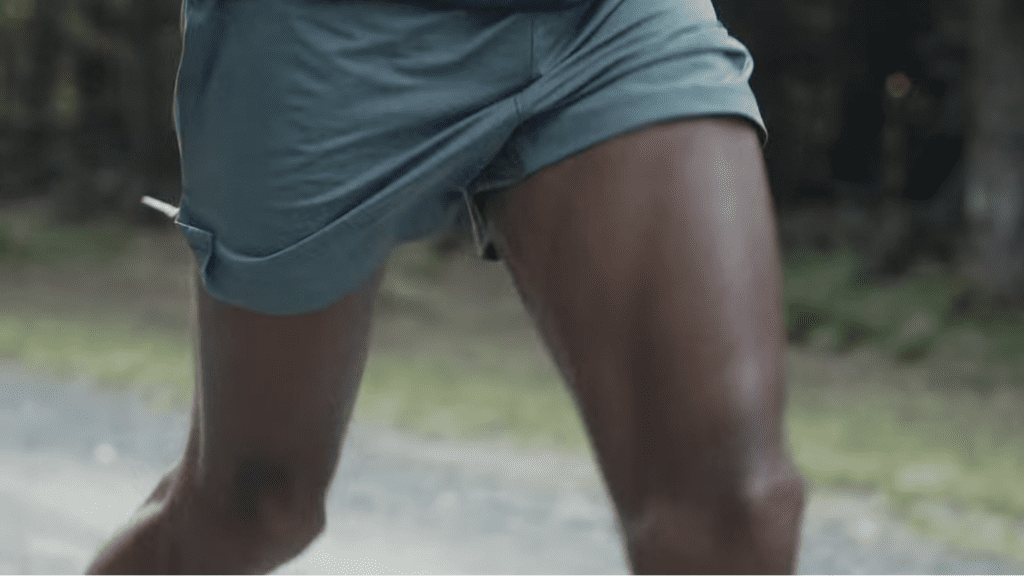
That’s the problem the Tracksmith Run Cannonball Run Shorts were built to solve. They’re a 5″ running short with board-short DNA, designed to run hot and plunge cold without skipping a beat.

We put that promise to the test.

Built to Get Wet

Most running shorts are built to manage sweat. The Cannonball Run is built to manage full submersion.

The body fabric is a lightweight, 4-way stretch woven with a PFC-free DWR (durable water repellent) finish. In plain terms: it sheds water instead of soaking it up, so it dries fast whether you’re sweating through a tempo run or climbing out of a lake. That DWR being PFC-free is also a nice touch—no “forever chemicals,” which matters when the whole point is jumping into the watersheds you’re trying to keep clean.

The other half of the equation is the liner. Tracksmith’s ultra-light VentAir liner is breathable and supportive without the compressive squeeze, and—critically—it doesn’t turn into a clingy mess after a swim. That’s the detail that separates a real run-and-swim short from a regular short you got wet by accident.

The Plunge Test

Here’s where it earned its name.

We ran a hot, exposed Colorado loop, then walked straight into an alpine lake at the turnaround. Cannonball, obviously. The shorts took the dunk without ballooning up or dragging, and the board-short details—low-profile binding, curved dolphin hems, and a drawcord waist—kept everything secure mid-plunge and on the swim back to shore.

The real surprise was the run after the swim. Soaked shorts usually mean chafing and a heavy, sloppy feel for the next mile. These didn’t. The water beaded and shed quickly, the liner kept doing its job, and within a mile or so they were closer to damp than drenched. By the time we hit the car, they were basically dry.

That’s the magic trick: a short that’s genuinely comfortable on the run, then comfortable in the water, then comfortable on the run again.

Pockets That Actually Work

Swim-friendly is great, but a running short still has to carry your stuff.

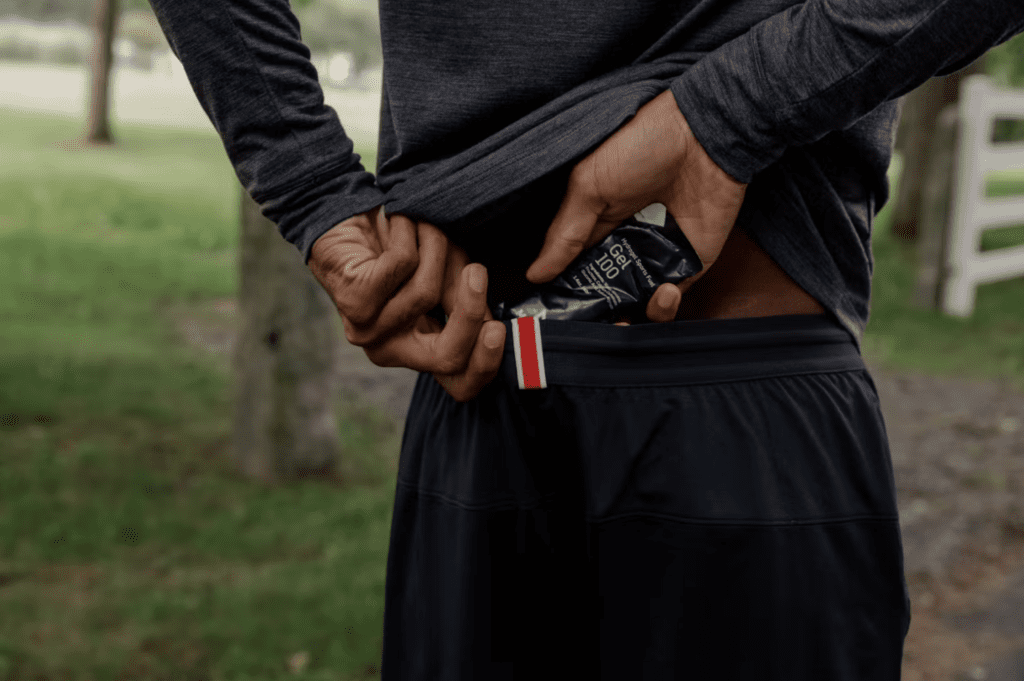
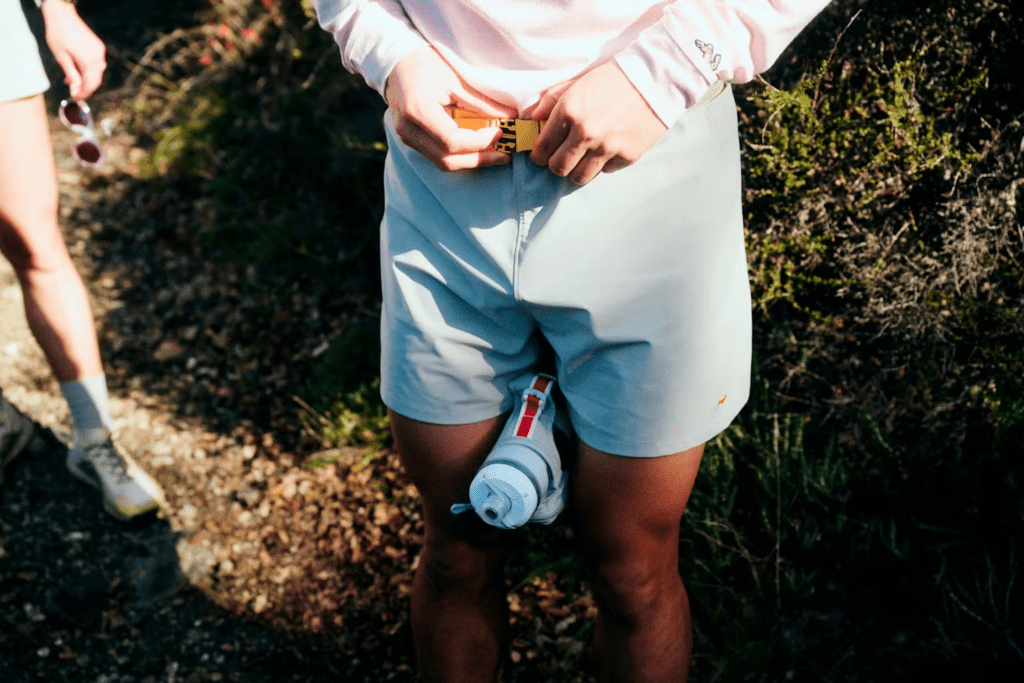
The Cannonball Run runs three pockets total. Two streamlined drop-in hand pockets handle a phone or gel, and the right one hides an internal bungee loop that locks your keys down through hard strides and a swim—no small thing when you’re about to fully submerge with your car key on board. The VentAir liner adds its own center-back drop-in pocket for anything small you want to keep close.

It’s not a cargo-style storage monster, and it isn’t trying to be. It’s just enough to leave the belt at home for short-to-medium efforts.

Fit and Feel

The 5″ inseam is the sweet spot for summer—short enough to move, long enough to feel like shorts and not a swim brief. It’s a pull-on short with a shirred, drawcord waistband that creates a skimming fit through the hip: easy to dial in, easy to forget you’re wearing.

It comes in two summer-ready colorways, Red Clay Sun Print and Rolling Hills, and at $110 it sits where you’d expect Tracksmith to sit—premium, but built to last and pull double duty as both running and swim gear, which quietly makes the price easier to swallow.

Colorado Lakes, Lower-Elevation Heat

Colorado gave us the ideal proving ground. High-country runs that dead-end at frigid alpine water are exactly the use case these shorts were drawn up for, and the cold-plunge-then-keep-moving rhythm is where they shine brightest.

Down at lower elevation, where the heat sits heavier and there’s no lake waiting, they held up as a straightforward hot-weather running short too. The woven fabric breathes, the stretch never restricts your stride, and the quick-drying finish that sheds lake water also shrugs off a sweat-soaked long run.

No short makes a 90-degree afternoon feel cool. But one that lets you cut the run in half with a swim and keep going? That changes the whole outing.

The Verdict

The Tracksmith Run Cannonball Run Shorts are for runners who don’t see water as the end of the workout—they see it as the best part.

If your summer miles tend to finish near a lake, a reservoir, or the ocean, these solve a problem most running shorts can’t: getting fully wet and staying comfortable. Fast-drying woven fabric, a non-clingy liner, smart board-short details, and key-secure pockets add up to a genuine run-and-swim short, not a compromise in either direction.

For anyone chasing the run-then-plunge summer, this is exactly the kind of gear that earns a permanent spot in the rotation.

Technical Specs at a Glance

Run Cannonball Run Shorts

  • Inseam: 5″
  • Body Fabric: 100% polyester, lightweight 4-way stretch woven
  • Lining Fabric: 86% polyester, 14% spandex (VentAir liner)
  • Finish: PFC-free DWR (durable water repellent) for quick drying in and out of water
  • Pockets: Two drop-in hand pockets (internal bungee key loop in right pocket) + center-back liner pocket
  • Details: Board-short-inspired low-profile binding, curved dolphin hems, shirred drawcord waistband
  • Colors: Red Clay Sun Print, Rolling Hills
  • Price: $110
  • Care: Machine wash cold with like colors, tumble dry low

Tracksmith Eliot Range Review: 100 Miles Later, We’re Sold

Most trail running shoes make their intentions obvious.

Some are built like tanks, prioritizing protection above all else. Others chase speed, sacrificing comfort and stability in the process. Very few manage to balance responsiveness, protection, comfort, and style in a package that feels equally at home on mountain singletrack and desert slickrock.

The Tracksmith Eliot Range is one of those rare exceptions.

After logging more than 100 miles in the Eliot Range across Colorado’s Front Range foothills, trails surrounding Rocky Mountain National Park, and the sandstone terrain of Zion National Park, we can confidently say Tracksmith’s first trail shoe is far more than a road shoe with aggressive tread.

It’s a legitimate trail runner.

A Familiar Feel, Built for Dirt

If you’ve run in the Tracksmith Eliot Runner, you’ll immediately recognize some of the DNA.

The Eliot Range uses a similar multi-part construction centered around a responsive supercritical foam midsole and an injected nylon plate. Together, they create a ride that feels energetic without becoming unstable.

On rolling terrain in the Boulder foothills, the shoe felt particularly efficient. It doesn’t have the overly soft, marshmallow feel that some max-cushion trail shoes lean toward. Instead, there’s a balanced responsiveness that encourages turnover while still protecting your legs over longer miles.

The injected nylon plate deserves credit here. It provides a noticeable layer of underfoot protection without creating a harsh or overly rigid ride. Rocky sections of trail around Rocky Mountain National Park felt manageable, even after several hours on foot.

Trail Comfort That Keeps Getting Better

One of the standout features of the Eliot Range is the built-in Merino wool bootie.

Trail conditions are rarely consistent. Temperatures change. Creek crossings happen. Dust accumulates. Long descents create friction.

The Merino liner helps smooth out all of those variables.

The seamless construction feels premium from the first run and only becomes more comfortable as the miles add up. During testing in both Colorado and Utah, we appreciated how well the liner managed temperature and moisture without creating hotspots.

Combined with the integrated heel pillows and supportive upper, the result is a shoe that feels secure without feeling restrictive.

Zion Was the Perfect Testing Ground

Colorado provided plenty of traditional trail conditions, but Zion National Park offered a completely different challenge.

The Eliot Range handled sandy washes, loose dirt, and exposed sandstone with confidence. The Vibram XS Trek Evo outsole provided dependable grip across varied surfaces, whether climbing slickrock features or navigating hard-packed desert trail.

Traction felt predictable rather than aggressive. That’s important because many runners need a shoe that can move seamlessly between dirt, rock, gravel, and occasional pavement without feeling specialized for only one environment.

The Eliot Range strikes that balance well.

Built for Long Miles

At roughly 9.9 ounces for a men’s size 9, the Eliot Range remains surprisingly light considering the amount of protection underfoot.

The 34.5 mm heel stack and 25.5 mm forefoot stack provide enough cushioning for long training runs while maintaining trail feel and control. The 9 mm drop will feel familiar to many runners coming from traditional road shoes, making the transition to trail running more natural.

We also appreciated the small details:

  • Silicone-coated laces stayed tied throughout runs.
  • The upper remained breathable during warm weather efforts.
  • The streamlined design avoided unnecessary overlays and bulk.
  • The understated styling feels distinctly Tracksmith without screaming for attention.

The Verdict

The Tracksmith Eliot Range succeeds because it doesn’t try to be the most aggressive trail shoe on the market.

Instead, it focuses on what many runners actually need: comfort over long distances, reliable traction, responsive cushioning, and a ride that feels equally capable on mountain trails and mixed-surface adventures.

After 100 miles across Colorado and Utah, the Eliot Range never gave us a reason to doubt it.

For trail runners looking for a premium daily trainer that blends protection, propulsion, and all-day comfort, this shoe is well worth a look.

Technical Specifications

  • Weight: Approximately 9.9 oz (281g) in a Men’s US 9
  • Stack Height: 34.5 mm heel / 25.5 mm forefoot
  • Heel-to-Toe Drop: 9 mm
  • Midsole: Supercritical Foam
  • Plate: Injected Nylon
  • Outsole: Vibram XS Trek Evo Rubber
  • Liner: Integrated Merino Wool Bootie
  • Upper: Lightweight Woven Construction

Tracksmith Meridian Collection Review: Built for Summer, Built for Runners

Summer running has a way of exposing weak gear fast.

When temperatures climb in Colorado, the easy miles stop feeling easy. Trail climbs feel steeper. Road workouts feel hotter. And anything that traps sweat, clings to your skin, or adds unnecessary weight becomes a problem by mile two.

That’s where the Tracksmith Meridian Collection comes in.

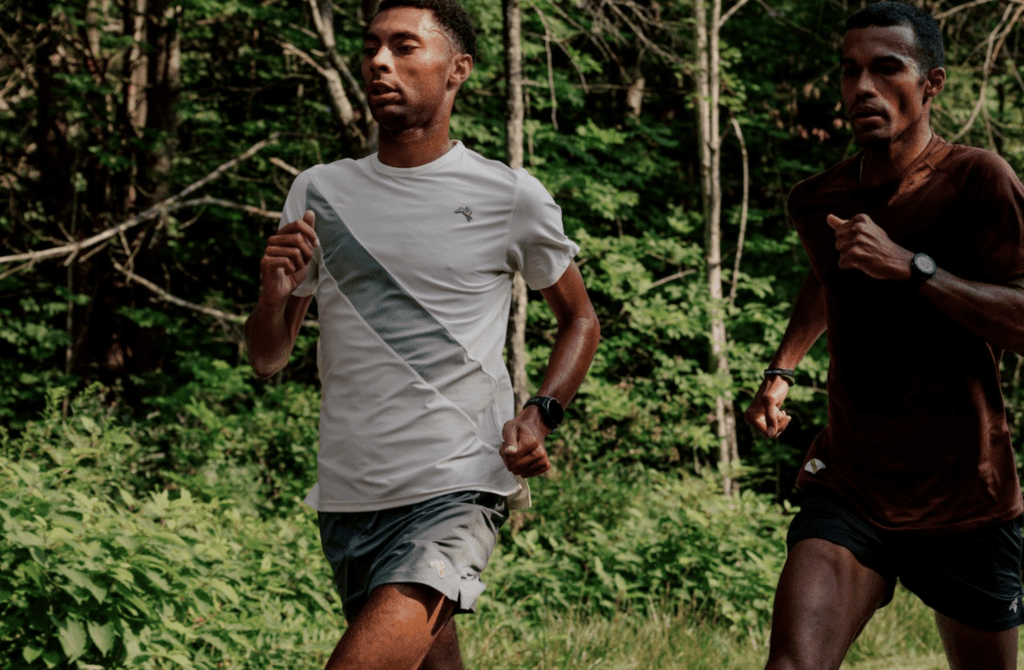
We tested the Meridian Shorts and Meridian Tee through hot summer runs in Colorado and dry desert miles in Utah. The goal was simple: see whether this lightweight kit could keep us comfortable when the weather was working against us.

It did.

Made for the Heat

The Meridian Collection is clearly built around one idea: keep air moving and moisture moving out.

Both the tee and shorts use an ultralight 83% nylon, 17% spandex fabric with four-way stretch, moisture-wicking performance, and Tracksmith’s VentAir® technology. In real-world terms, that means the fabric feels airy, soft, and noticeably resistant to that sticky, heavy feeling that can happen when sweat starts building.

On exposed Colorado trails, the Meridian Tee stayed light and comfortable even as the sun got higher. In the Utah desert, where shade can be hard to come by and the heat feels immediate, the shirt’s UPF 50+ protection was a major plus.

It’s not just breathable. It feels built for the kind of summer running where the forecast says “probably too hot,” but you lace up anyway.

The Meridian Tee: Light, Soft, and Non-Clingy

A good summer running shirt should almost disappear once you start moving. The Meridian Tee gets close.

The fabric is buttery soft without feeling delicate, and the bonded hem and merrow stitching give it a clean, low-profile feel. It moves well on road runs and trail runs alike, with enough stretch that it never feels restrictive when climbing, descending, or reaching for bottles and snacks.

The biggest win is how it handles sweat. Instead of sticking to your torso, the fabric continues to breathe and move moisture away from the skin. That matters when you’re trying to keep your rhythm in hot conditions.

The Meridian Shorts: Minimal Feel, Maximum Storage

Split shorts are usually built for speed, not storage. The Meridian Shorts manage to do both.

They’re ultralight, breathable, and cut for high-output efforts, but the surprise is the pocket system. With eight discreet pockets and a shirt loop, they carry more than you’d expect without feeling bulky.

For road runners, that means gels, keys, and a phone can stay secure without needing a belt. For trail runners, the pockets are great for small essentials on shorter efforts when a vest feels like overkill.

The liner is another highlight. It’s soft, light, and supportive without feeling compressive. Bonded hems and liner stitching help reduce chafing, which becomes especially important when sweat, dust, and heat start piling up.

Colorado Heat, Utah Desert Testing

Colorado summers can be deceptive. Morning miles start cool, then quickly turn hot once the sun hits the trail. The Meridian kit handled those temperature swings well, especially on runs where effort levels changed between climbs, flats, and descents.

Utah was the more demanding test. Desert running brings dry heat, direct sun, and very little margin for uncomfortable gear. The Meridian Collection felt purpose-built for that environment. Light fabric, UPF 50+ coverage, and moisture management all worked together to make hot miles feel more manageable.

No kit makes summer heat easy. But the right kit helps you keep moving.

The Verdict

The Tracksmith Meridian Tee and Meridian Shorts are built for runners who don’t wait for perfect weather.

If you’re training through hot Colorado afternoons, logging desert miles in Utah, or simply trying to stay consistent when summer temps rise, the Meridian Collection is a strong choice. It’s lightweight, breathable, sun-protective, and comfortable enough to keep the miles turning when everything else is telling you to stop.

For trail runners and road runners chasing summer fitness, this is exactly the kind of gear that earns repeat use.

Technical Specs at a Glance

Meridian Tee

  • Fabric: 83% Nylon, 17% Spandex
  • Weight: 125 gsm
  • UPF: 50+
  • Features: Four-way stretch, moisture-wicking fabric, VentAir® technology, bonded hem, merrow stitching

Meridian Shorts

  • Body Fabric: 83% Nylon, 17% Spandex, 125 gsm
  • Lining Fabric: 70% Nylon, 30% Elastane, 55 gsm
  • UPF: 50+
  • Features: Four-way stretch, moisture-wicking fabric, VentAir® technology, soft liner, bonded hems, 8 pockets, shirt loop

Gnarly Nutrition Review: Clean Performance Fuel for Outdoor Athletes

When you spend your time chasing trail miles, long climbs, and big days outside, what you put in your body matters. Gnarly Nutrition is built for exactly that kind of athlete. Not the “mirror muscle” crowd, but people who actually use their bodies for something.

At its core, Gnarly Nutrition is about accessibility, transparency, and performance. Their products avoid GMOs, artificial colors and flavors, soy, and gluten, and most of their lineup is vegan-friendly. That’s not marketing fluff. It’s a deliberate choice to reduce allergens and make their supplements usable by as many athletes as possible.

Where Gnarly really separates itself is label transparency. No proprietary blends. No hiding cheap fillers behind clever branding. Every ingredient is listed clearly, in science-backed doses that actually do something. Add to that NSF Certification, the gold standard in third-party testing recognized by the World Anti-Doping Agency, and you’re looking at supplements that are clean, verified, and trustworthy.

They’re also pushing hard on sustainability. Gnarly has already moved tubbed products to steel cans, which are recycled at dramatically higher rates than plastic and can be recycled indefinitely. Their goal is full plastic elimination, and they’re actively working with industry partners to get there. For anyone who spends time outdoors and cares about protecting the places we play, that matters.

But products still have to work. Here’s how two of their staples perform in real life.


Gnarly Pre-Workout: Focused Energy Without the Crash

Gnarly Pre-Workout is refreshingly simple. Six ingredients, all there for a reason, and all dosed effectively. No mystery blends. No overstimulation.

For someone who loves the outdoors but trains primarily in a home gym during the week, this pre-workout hits a sweet spot. Taken about 30 minutes before training, it delivers clean, steady energy without the jittery edge or hard crash you get from many pre-workouts.

The 180mg of caffeine from green tea leaf provides alertness without feeling wired, and the inclusion of Asian Ginseng adds a natural lift that feels more sustained than synthetic stimulants. During early morning lifts or quick lunchtime workouts, the energy feels controlled and purposeful, not frantic.

Performance-wise, the combination of Citrulline Malate, Beta Alanine, and Vegan BCAAs shows up most in endurance and output. Sets last longer. Rest periods feel more productive. There’s a noticeable ability to push through that mental wall when the workout starts getting uncomfortable.

What stands out most is how usable it is. You don’t have to plan your whole day around it. Whether you’re training legs for a long hike, prepping for ski season, or just trying to stay strong between adventures, Gnarly Pre supports the work without hijacking your nervous system.


Gnarly BCAAs: Recovery You Actually Notice

Gnarly BCAAs are straightforward, effective, and surprisingly good tasting for a natural product. Each serving delivers 5g of free-form BCAAs in a 2:1:1 ratio of leucine, isoleucine, and valine. These aren’t derived from animal sources, making them fully vegan.

Used during or after training, especially on days that stack a home workout with outdoor activity, recovery is where these really shine. Soreness fades faster. Muscles feel less beat up the next morning. There’s a noticeable reduction in that heavy, depleted feeling after long or intense sessions.

For someone who might lift during the week and spend weekends hiking, climbing, or biking, that quicker recovery window is huge. You’re not just training harder. You’re staying ready for the next adventure.

Another underrated benefit is hydration support. Mixed into 12 to 16 ounces of water, Gnarly BCAAs make it easier to stay on top of fluid intake during long sessions or warm days outside, without loading up on sugar or artificial junk.


Final Take

Gnarly Nutrition feels like it was built by people who actually live an active, outdoor-centered life. The products are clean, thoughtfully formulated, and backed by real science, not marketing tricks.

If your goal is to train consistently, perform better outside, and recover well enough to do it all again tomorrow, Gnarly delivers. Whether you’re grinding it out in a home gym or gearing up for your next trail day, these are supplements that support the work, not distract from it.

Simple. Honest. Effective. Exactly what performance nutrition should be.

Tracksmith Fieldhouse Collection – Built for the Work Between the Miles

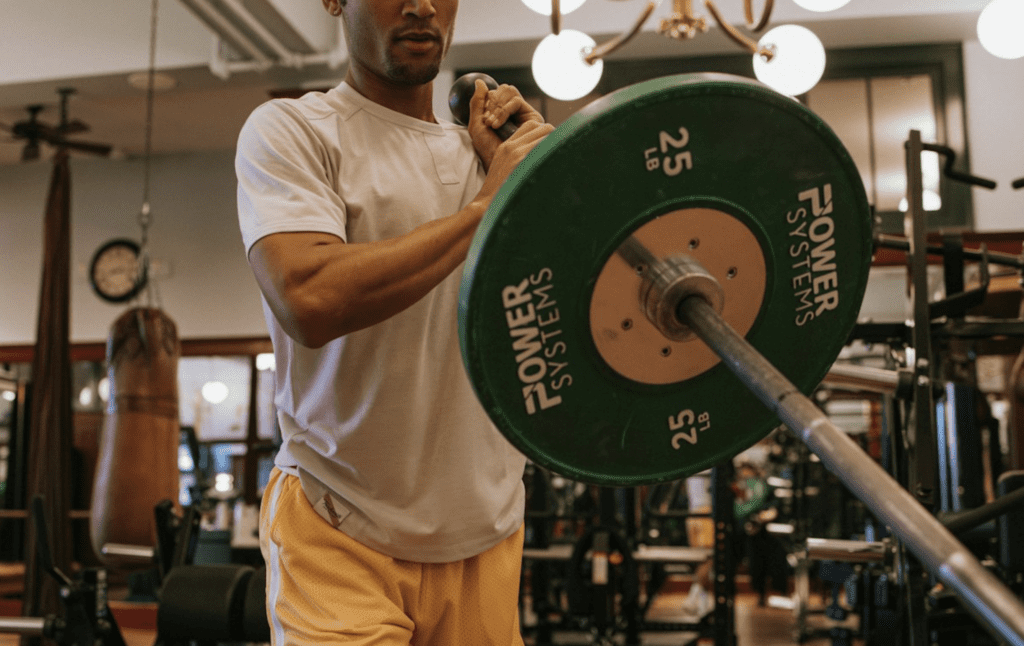
As a dedicated runner, I know the work that matters most often happens outside of the actual miles. It’s the strength sessions, the mobility drills, the cross-training work in my home gym that build the foundation for every run. That’s why I started training in the Tracksmith Fieldhouse Collection, a set of gear designed for precisely this purpose: the off-route grind. In this review, I’ll break down my experience with three core pieces from the collection—the Fieldhouse Tee, Fieldhouse Tank, and Fieldhouse Shorts—all tested during my home gym routines.
A New Kind of Training Uniform

Tracksmith has always had a knack for blending heritage athletic aesthetics with modern performance. The Fieldhouse Collection nails this ethos. With vintage-inspired silhouettes, durable construction, and functional tech fabrics, each piece looks and feels like it belongs both in a classic fieldhouse and a high-performance training facility. In my case, that’s the garage gym I’ve built into a personal sanctuary for sweat equity.


Fieldhouse Tee: Classic Form Meets Functional Sweat Gear
Overview
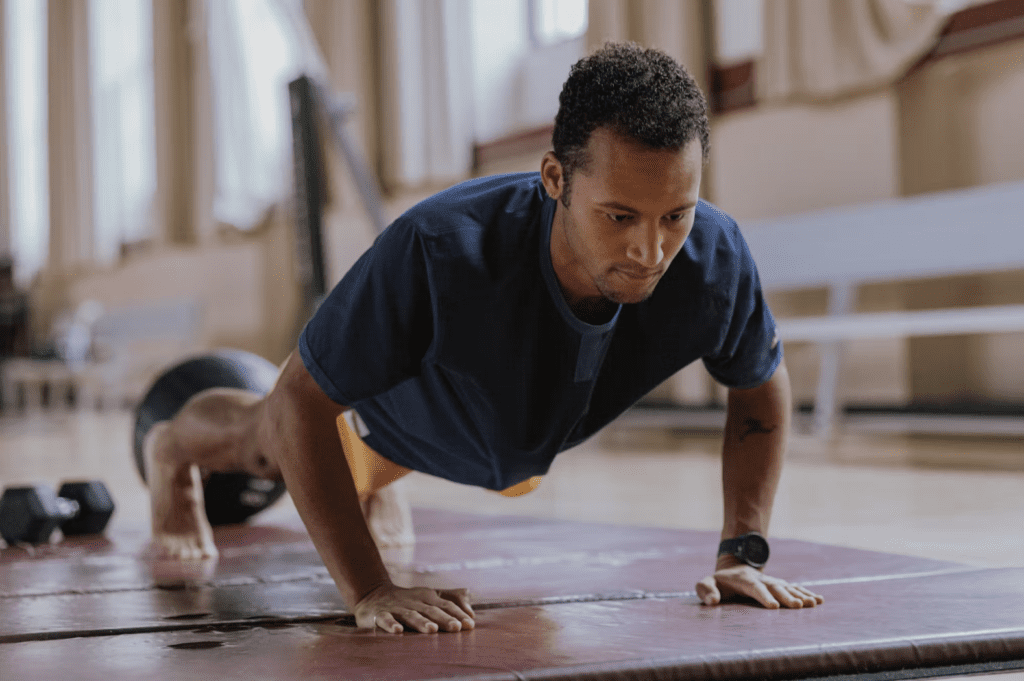
I didn’t expect a cotton-blend shirt to become my go-to for gym work, but Tracksmith’s Fieldhouse Tee has proven me wrong. It’s made from an ultra-light slub cotton blend with Dri-Release® technology, which means it pulls moisture away from the skin and dries much faster than traditional cotton.

Performance in the Gym
In my home workouts, which usually include kettlebell circuits, deadlifts, and treadmill intervals, the Tee holds up brilliantly. I stay dry, even during high-rep sets and longer metcons. The mesh-lined shoulder panel and back yoke offer added structure without bulk, keeping the fit just right through overhead presses or rows.

Design Details
It has a relaxed crewneck, a subtle racing stripe down the back, and a woven label that feels premium but not precious. The hare logo on the sleeve is a great nod to Tracksmith’s roots. This tee is more than a base layer—it’s an upgrade to the basic gym shirt.

Verdict: Lightweight, breathable, and understatedly sharp. It’s built for the grind but wears like a classic.


Fieldhouse Tank: Sleek, Sweat-Ready, and Uncompromising
Overview
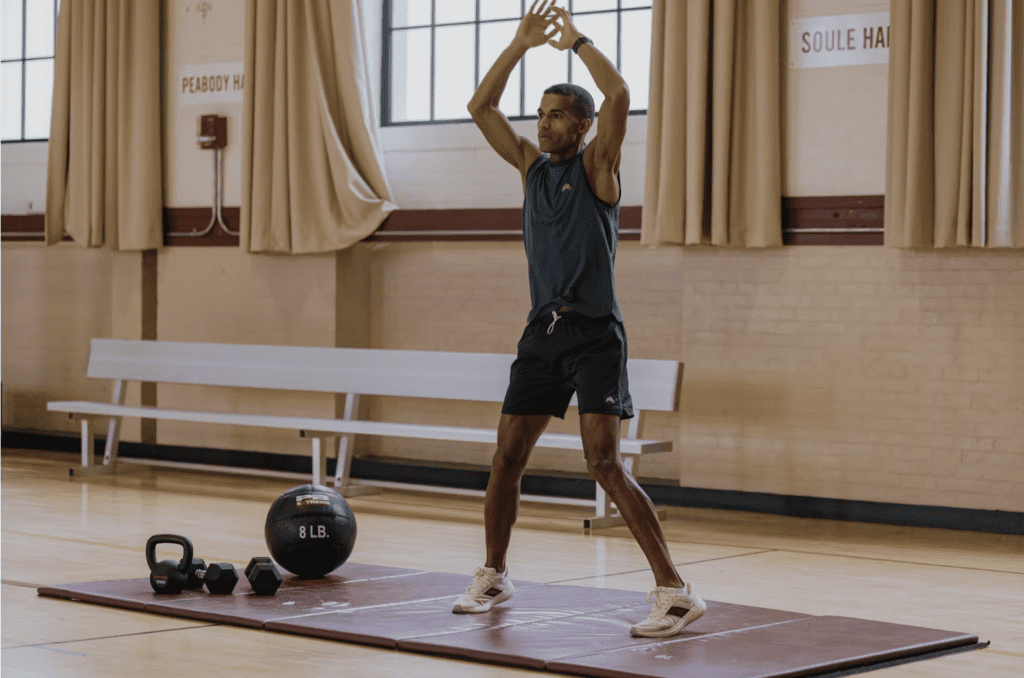
For days when I want max airflow—think kettlebell swings, jump rope, or HIIT—I switch to the Fieldhouse Tank. It shares the same breathable slub cotton blend and Dri-Release® tech as the Tee but with added freedom of movement.

Performance in the Gym
The sleeveless cut allows for full range during lifts and mobility work. Whether I’m doing Turkish get-ups or battle ropes, the fabric doesn’t cling or sag. It stays light even after a tough sweat session. The mesh-lined shoulder and back yoke add a durability layer I didn’t expect in a cotton tank.

Design Details
It’s got the same athletic elegance of the Tee—clean lines, a classic racerback-inspired silhouette, and the subtle hare logo. The racing stripe down the back gives it a finishing touch that makes me reach for it again and again.

Verdict: An ideal top for hard, sweaty days when performance takes priority but style still matters.


Fieldhouse Shorts: Mesh Muscle with a Nod to the Greats
Overview
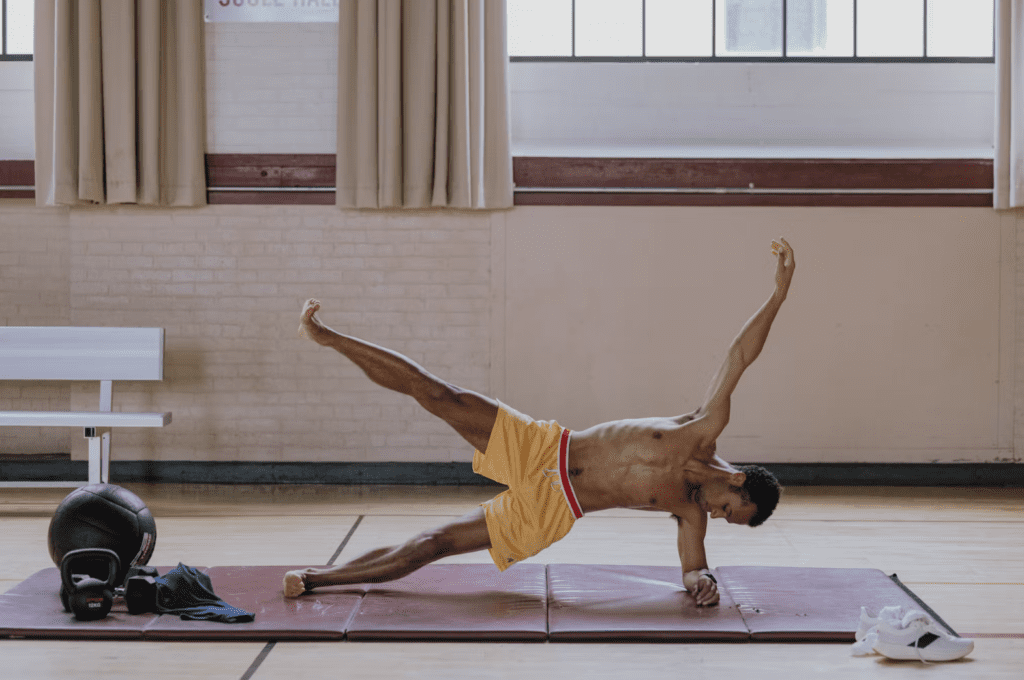
If there’s one piece that surprised me most, it’s the Fieldhouse Shorts. I wasn’t sure how I’d feel about unlined mesh, but these things have quickly become my default for leg day, plyos, and even casual recovery walks.

Performance in the Gym
Built from double-layered featherlight mesh, they balance airflow with durability. The 5.5″ inseam provides just enough coverage without getting in the way, and the fabric breathes like a dream. Even during sled pushes and box jumps, they stay put and don’t ride up.

Design Details
Tracksmith kept it simple: two hand pockets, a functional drawstring waist, and that subtle nod to old-school gym shorts. The hare logo on the leg and the racing stripe on the waistband round out the look. It’s a modern training short built on the bones of a classic.

Verdict: Built for gym work, inspired by running heritage. Light, tough, and timeless.


Why This Collection Works for My Home Gym Routine

The Fieldhouse Collection isn’t just for runners cross-training at the local Y. It’s for anyone who understands that strength, mobility, and endurance are built in the margins—the stuff outside the spotlight of the long run.

In my home gym, I’m chasing performance in a private space, with no distractions. I want gear that moves with me, stays dry, holds up, and still feels good enough to wear between sets when I grab a coffee or take a recovery walk.

Tracksmith delivered. These pieces do the work. They match the intensity I bring to the barbell and the mat, and they fit seamlessly into the lifestyle that surrounds my running.


Final Thoughts

Fieldhouse Tee: 9/10 – Light, breathable, sharp. The gym shirt redefined.
Fieldhouse Tank: 9.5/10 – Maximum mobility and ventilation in a sleek design.
Fieldhouse Shorts: 10/10 – The best training shorts I’ve worn in years.

This isn’t just activewear. It’s a training kit with soul—steeped in running culture, built for the work that makes us faster, stronger, and more resilient.

For anyone investing in the in-between moments, the off-route grind, or just training hard from home: the Tracksmith Fieldhouse Collection belongs in your rotation.
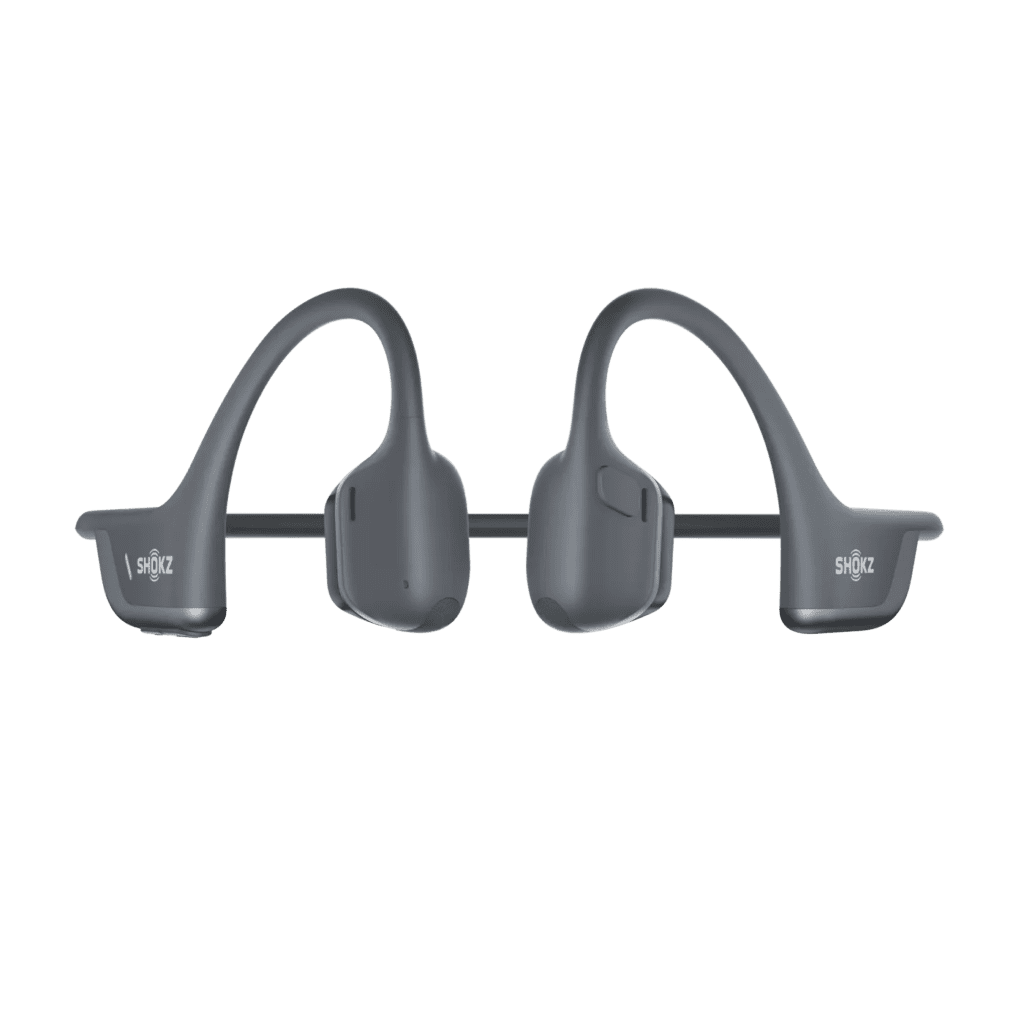
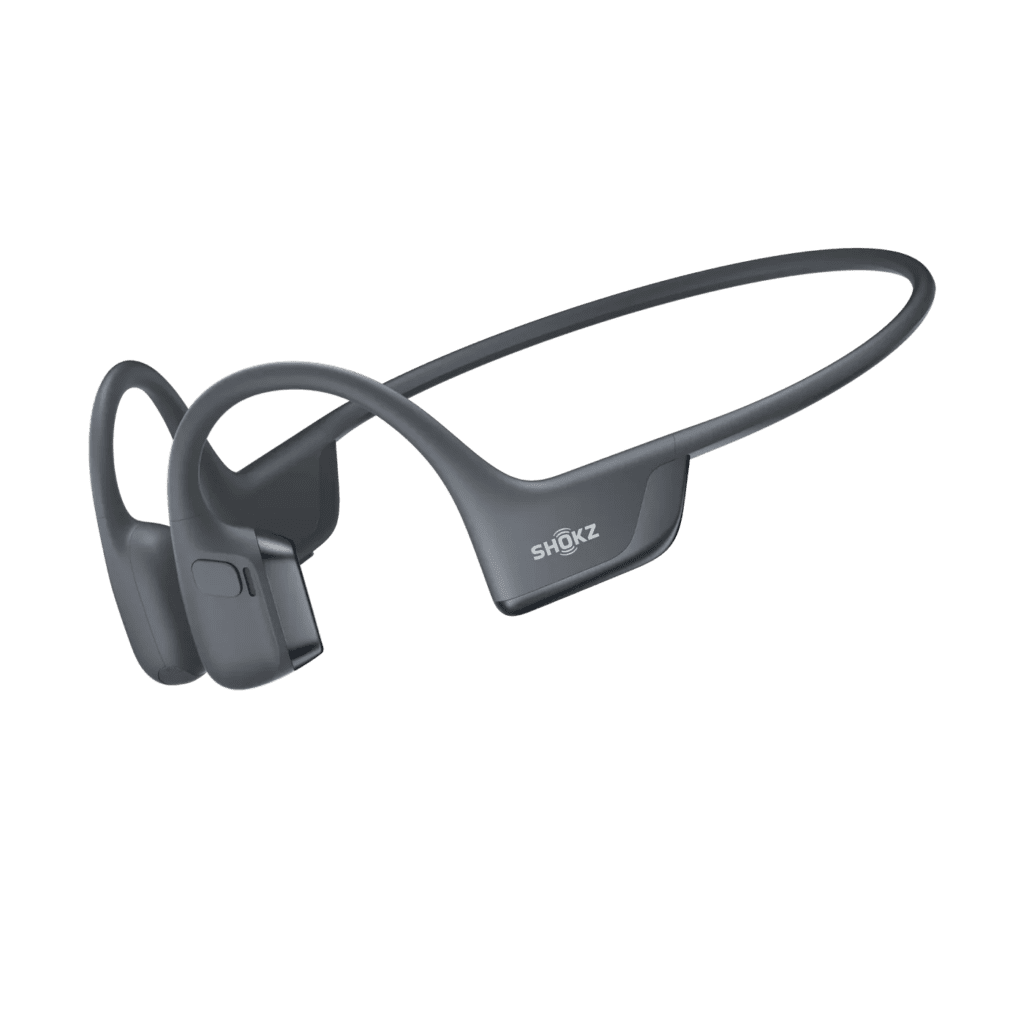
Shokz OpenRun Pro 2 Review

The Shokz OpenRun Pro 2 are the latest bone conduction headphones in Shokz’s lineup, and they merge innovative audio engineering with all-around practicality. From road runs to cleaning the house, I’ve tested these in a wide range of environments. What makes them truly stand out, though, is the use of bone conduction technology—a system that, in my experience, helps you stay more aware of your surroundings and can benefit your overall hearing health.


What Is Bone Conduction Technology?

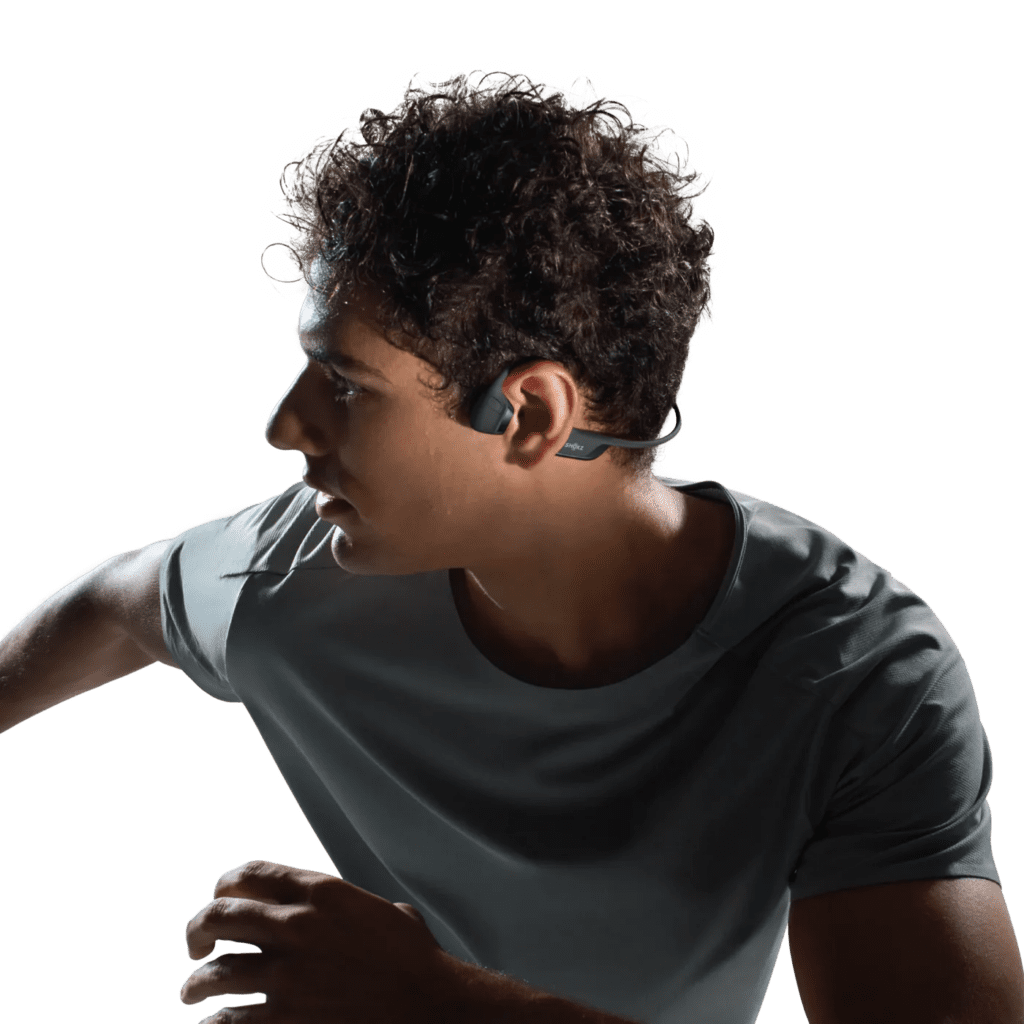
Bone conduction headphones sit just in front of your ears on your cheekbones, sending tiny vibrations through the bones in your skull (instead of traveling through your ear canal). This process bypasses the eardrums altogether to deliver sound directly to your cochlea.

Here’s why it matters:

  1. Open-Ear Awareness:
    • Because your ears aren’t plugged or covered, you remain keenly aware of ambient sounds—traffic, conversation, or even a friend calling your name from behind. As a result, bone conduction headphones are particularly appealing to cyclists, runners, or anyone who wants to enjoy audio while maintaining a sense of what’s going on around them.
    • From a safety standpoint, this open-ear design is a game-changer. When you’re zipping through busy streets on a bike or running on trails with wildlife (and the occasional rattlesnake), being able to hear what’s happening around you could literally save your life.
  2. Potential Health Perks:
    • With traditional in-ear or over-ear headphones, the ear canal is sealed or partially blocked, which can promote moisture buildup. While not everyone experiences this, that trapped moisture may lead to discomfort or increased susceptibility to ear infections. Bone conduction technology leaves your ear canals open to the air, reducing that risk.
    • Another advantage for many people is the reduced ear fatigue. When you’re not blasting music straight into your ears, you’re lowering the impact on your eardrum. Though more research is certainly needed, it’s commonly believed that this can be gentler on overall ear health, especially for prolonged listening sessions.

Design & Comfort

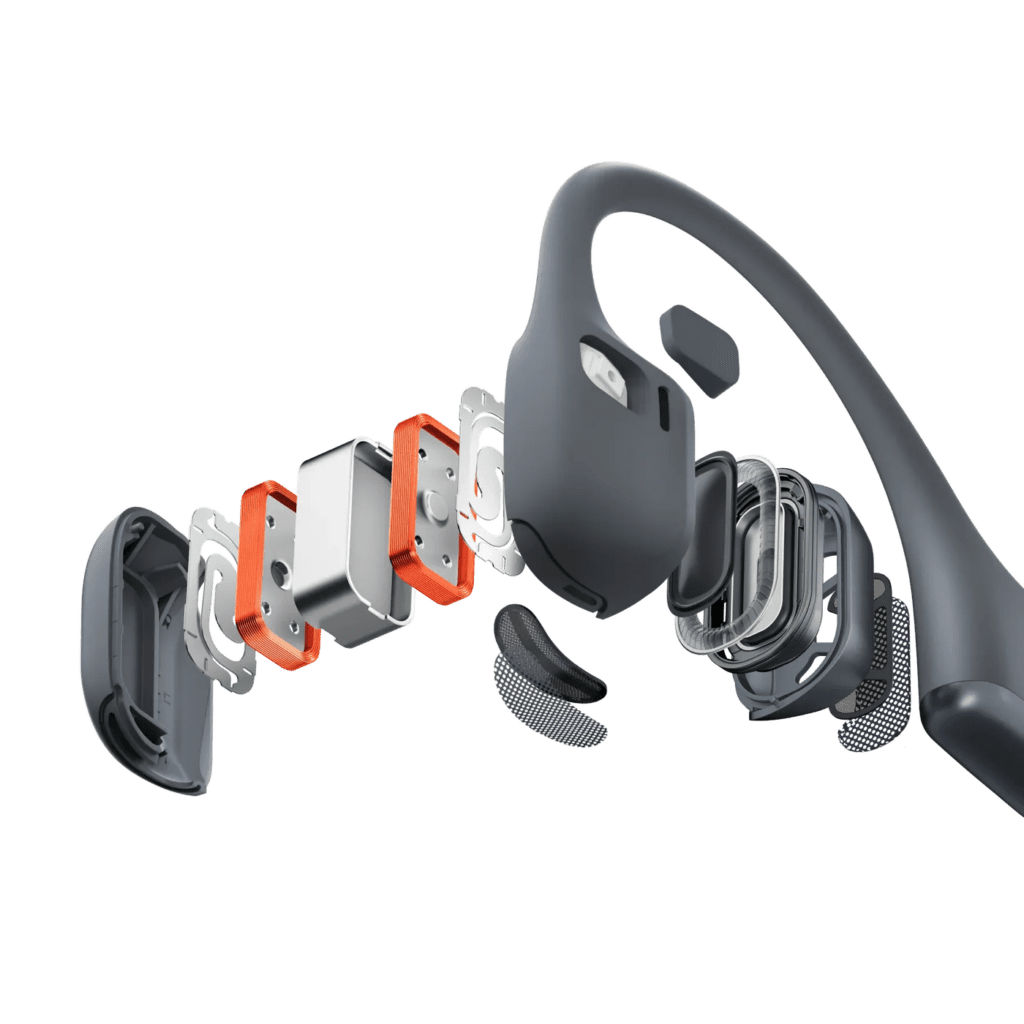
  • Lightweight and Stable: Despite incorporating the 10th Generation Bone Conduction Technology and Shokz’s new DualPitch™ approach (which uses both bone and air conduction components), the OpenRun Pro 2 are still comfortable over multiple hours of activity. The band wraps around the back of your head securely, while the transducers rest lightly against your cheekbones.
  • Helmet Compatibility: For cyclists, one big concern is whether headphones fit comfortably beneath a helmet—and these do so with ease. You’re not forced to adjust or remove your ear padding or straps because they sit outside the ear canal.

Sound Quality & Vibrations

  • DualPitch™ Technology: This feature blends bone conduction and specialized air conduction units. The result? Enhanced bass response compared to many older bone conduction models. You feel a subtle vibration on heavier beats, but it’s far less pronounced than with previous generations of bone conduction headphones.
  • Open-Ear, Not Open-Wind: While you’ll certainly hear wind noise if you’re running or cycling on breezy days, I found it didn’t overpower my music or podcast. In fact, it’s surprising how well the OpenRun Pro 2 balances environmental sounds without sacrificing your audio.

Safety and Situational Awareness

  • Safer Exercise: The open-ear format is ideal for urban runners and cyclists who need to hear oncoming traffic or pedestrian signals. Even on technical trail runs, you can pick up the distant crunch of another hiker’s footsteps or a rattlesnake’s telltale rattle—crucial cues you’d never want to miss.
  • Community Connection: Outside of workouts, I found these useful in everyday life—like when you’re strolling around the neighborhood or walking to work, but you still want to catch the conversation of a friend or coworker without needing to pop out an earbud.

Battery Life & Convenience

  • Up to 12 Hours: You get nearly half a day of battery life on a full charge. That’s more than enough for back-to-back workouts, extended hiking trips, or a long day’s worth of chores.
  • Quick Charge: A brief 5-minute charge yields about 2.5 hours of usage, perfect if you realize at the last minute that your headphones need a top-up.
  • USB-C Port: Shokz finally ditched their proprietary charging cable in favor of a standard USB-C port. No more hunting around for a specialized cable—just plug in, recharge, and go.

Real-World Testing

  • Trail & Road Runs: On road runs, I appreciated how seamlessly I could hear traffic and my own footsteps. When I shifted to uneven trails, I never had to worry about missing the thud of a dropped rock or an oncoming mountain biker.
  • Cycling: The back band nestles neatly under a typical bike helmet. Calls were audible, and my voice came through reasonably clearly. Even pedaling into a headwind, I was able to hear my music well.
  • Everyday Use:
    • Indoor Chores: If I was vacuuming or cooking, I could easily listen to a podcast while still hearing if someone knocked on the door.
    • Meditation & Calm: For guided meditations, I loved that my ears weren’t covered—helping me stay aware of my surroundings while still immersing myself in relaxing audio.
    • Longer Wear: No ear fatigue or soreness around my temples, even after a few hours.

Potential Downsides

  • Sound Isolation: Because they’re open-ear, you’ll never get that fully enclosed, bass-thumping experience as you would with in-ear or over-ear headphones. For most outdoor adventurers, that’s a worthwhile tradeoff for increased safety and awareness.
  • Water Resistance: They carry an IP55 rating, which is fine for sweat and light rain. If you plan to swim with them, however, they aren’t fully waterproof.

Final Thoughts

If you’re looking for headphones that protect your awareness of the world—and potentially your hearing—Shokz OpenRun Pro 2 offer an outstanding solution. The bone conduction design means you can hear critical sounds around you while still enjoying quality audio. Plus, there’s peace of mind in knowing you’re not blasting your eardrums directly.

For runners, cyclists, hikers, and even busy parents juggling chores at home, this open-ear approach delivers both safety and comfort. Add in the 12-hour battery, improved bass response, and a hassle-free USB-C charging port, and you have a well-rounded package. It’s a significant evolution of the bone conduction concept, promising audio that’s more immersive than you’d think—without cutting you off from the environment you want (and need) to hear.

Tracksmith Harbor Jacket Review: Cold Weather Running Reinvented

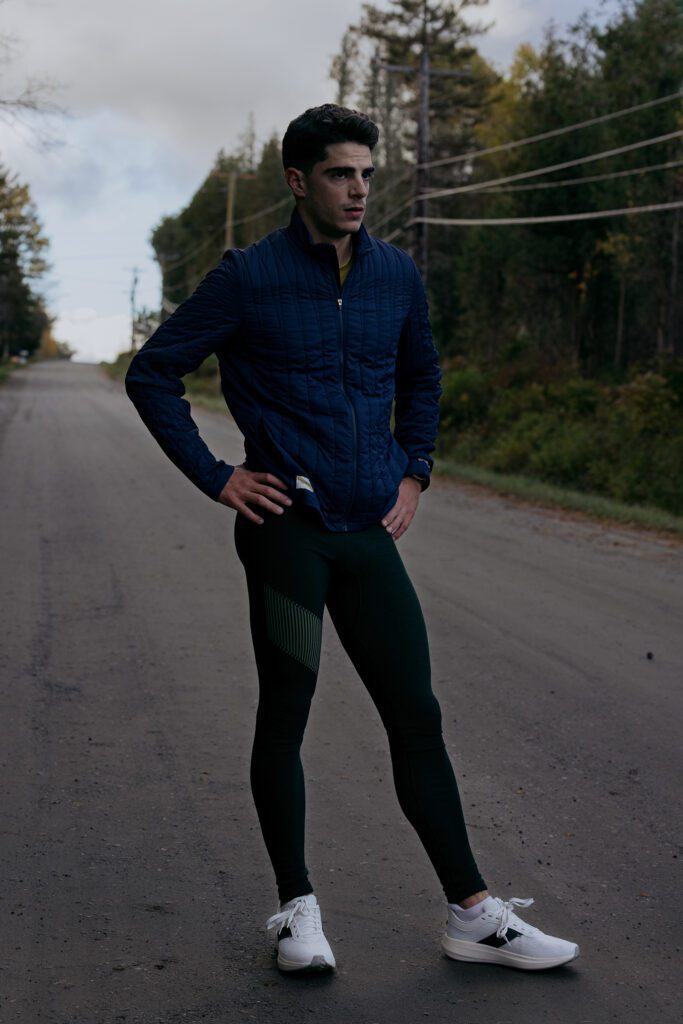
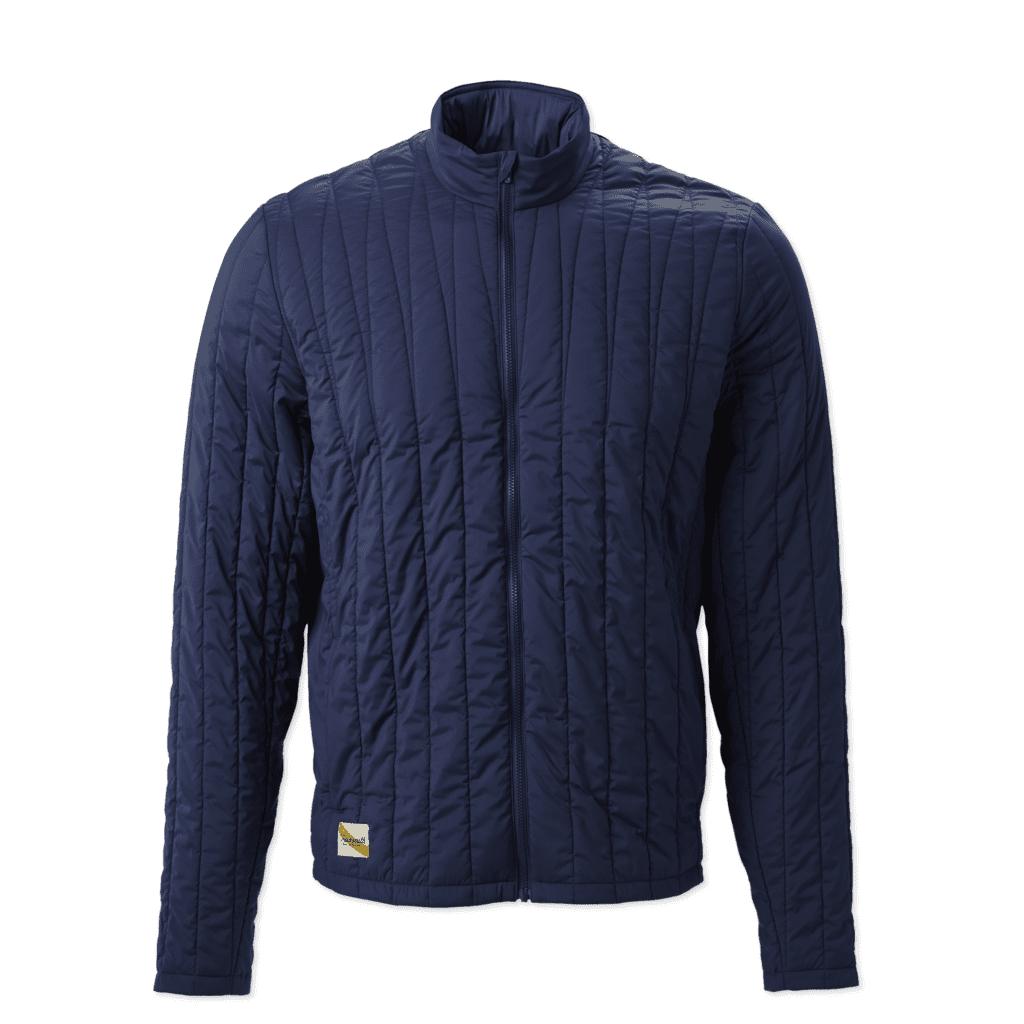
When winter tightens its grip and fair-weather runners retreat indoors, the Tracksmith Harbor Jacket emerges as a game-changing piece of cold-weather running gear that keeps you firmly on the roads and trails.

Tracksmith Harbor Jacket

Field Testing

After countless pre-dawn miles and late evening runs in temperatures ranging from crisp to downright cold, the Harbor Jacket has proven itself as an exceptional piece of running gear. The jacket’s ability to maintain warmth without overheating during high-output sessions is particularly impressive. Whether picking up the pace for tempo work or settling into a steady long run rhythm, the Harbor Jacket moves harmoniously with your body while maintaining optimal temperature regulation.

Tracksmith Harbor Jacket

Technical Excellence

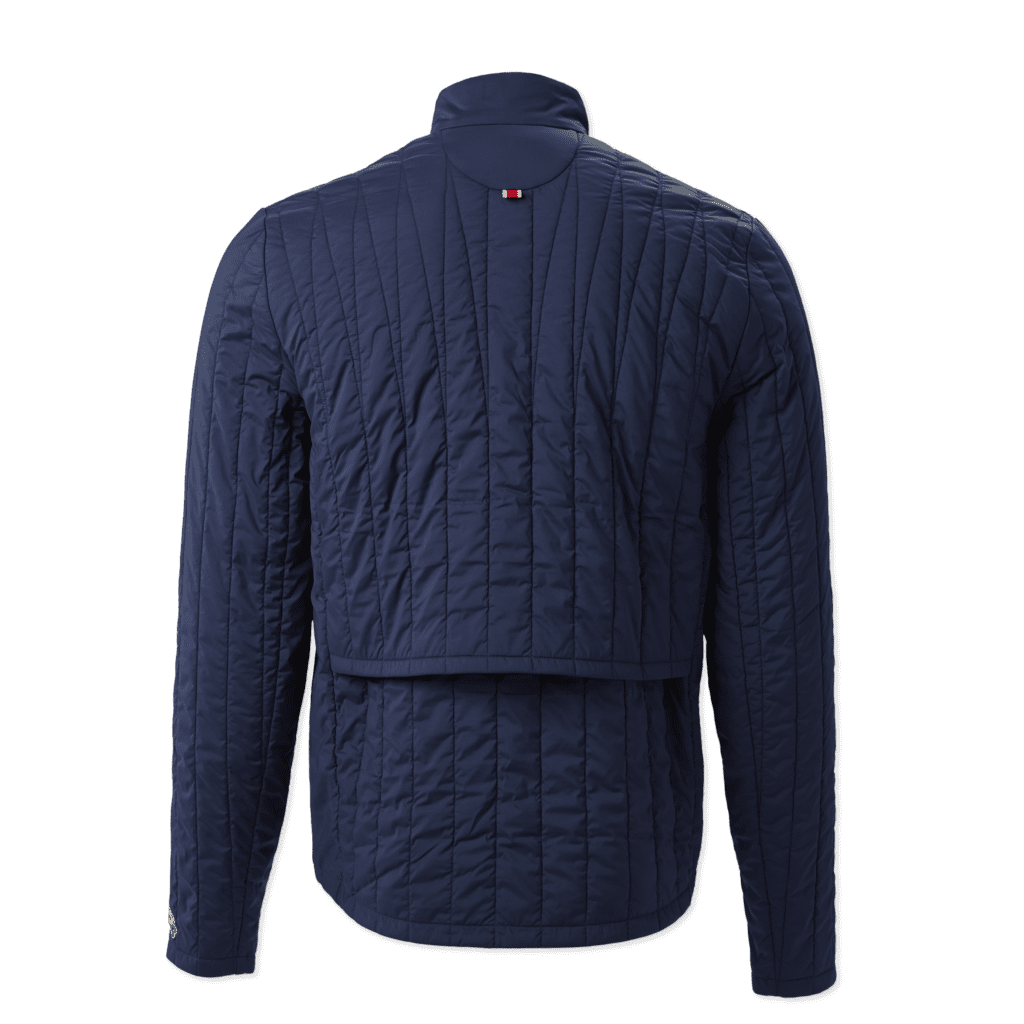
  • PrimaLoft® Gold insulation strategically placed for core warmth
  • Innovative back vent with 2:09 Mesh for superior breathability
  • Weather-resistant shell with DWR finish
  • Thoughtfully designed quilting pattern for mobility
  • Multiple storage options with lined hand pockets
  • Protective stand collar design

Temperature Management

The Harbor Jacket’s most impressive feature is its sophisticated approach to thermoregulation. The combination of PrimaLoft® Gold insulation and the mesh-lined back vent creates a microclimate that adapts to your effort level. As you warm up during your run, the ventilation system efficiently manages moisture and heat, preventing the clammy feeling often associated with insulated running gear.

Tracksmith Harbor Jacket

Movement & Fit

Tracksmith has achieved something remarkable with the fit of the Harbor Jacket. The tailored silhouette looks sharp but never restricts movement. The quilting pattern works in concert with your running motion, eliminating the stiff, crinkly feeling common in many insulated jackets. The jacket accommodates base layers comfortably while maintaining a clean, athletic profile.

Weather Protection

The ultralight shell with its water-repellent finish proves highly effective at blocking wind and light precipitation. While not designed as a rain jacket, it provides enough protection to keep you comfortable through unexpected weather changes during your run.

Tracksmith Harbor Jacket

Storage Solutions

The thoughtfully placed pockets offer practical storage options for running essentials. The lined hand pockets provide welcome warmth during warm-ups or cool-downs without interfering with arm swing during running.

Versatility

While designed primarily for running, the Harbor Jacket’s sophisticated aesthetic and practical functionality make it versatile enough for general cold-weather activities. It transitions seamlessly from early morning runs to coffee shop stops or casual wear.

Value Proposition

The Harbor Jacket represents a premium investment in your winter running comfort. While the price point is significant, the technical features, build quality, and versatility justify the cost for dedicated runners who refuse to let cold weather compromise their training.

Bottom Line

The Tracksmith Harbor Jacket successfully bridges the gap between performance and comfort in cold-weather running gear. It’s a thoughtfully engineered piece that delivers on its promises, keeping you warm without overheating, protected without restriction, and comfortable through the coldest miles.

For runners committed to training through winter’s challenges, the Harbor Jacket isn’t just another layer – it’s an essential training partner that makes those dark, cold miles not just bearable, but enjoyable.

My Experience with Osmo Nutrition as a Long-Distance Runner

Running with Osmo Nutrition

As an avid long-distance runner, I’ve always known that proper hydration, fueling, and recovery are crucial for my performance and overall health. Recently, I discovered Osmo Nutrition, and it’s completely transformed my running routine. I want to share my experience with three key Osmo products that have become essential to my training and racing.

Osmo Active Hydration Tub

Osmo Active Hydration has become the cornerstone of my hydration strategy. When I first tried it, I was impressed by how quickly it seemed to work. The science behind it claims to replace body water three times faster than water alone, and I can honestly say I feel the difference.

During my long runs, I used to struggle with cramps and fatigue, especially in the later miles. Since incorporating Osmo Active Hydration, I’ve noticed a significant reduction in cramping, and I’m able to maintain my energy levels for longer. The improved endurance and power are noticeable, particularly on those challenging uphill sections of my favorite trails.

I typically start my day by preparing a bottle of Osmo Active Hydration. I aim to drink about 20 oz. per hour during my runs, adjusting based on the weather and how I’m feeling. On particularly hot days, I might increase my intake slightly. The real fruit flavors are refreshing and easy to drink, which makes staying hydrated during long runs much more enjoyable.

Osmo Power Fuel

For my longer training runs and races, Osmo Power Fuel has been a game-changer. Before discovering this product, I often struggled with GI issues when trying to fuel during runs lasting over 90 minutes. The easily digestible carbohydrates in Osmo Power Fuel have solved this problem for me.

What I love most about Power Fuel is its versatility. I can mix it with my Active Hydration for a perfect balance of hydration and fuel, or with plain water if I need a quick energy boost. The neutral flavor doesn’t interfere with the taste of my hydration mix, which is a huge plus for me.

During my last marathon, I used Power Fuel throughout the race, and it was the first time I didn’t hit the dreaded wall around mile 20. I felt energized and strong right through to the finish line. Being able to customize my fueling based on the intensity and duration of my runs has really helped me dial in my nutrition strategy.

Osmo Rapid Recovery

Post-run recovery used to be a weak point in my training routine, but Osmo Rapid Recovery has changed that. Now, within 30 minutes of finishing a tough run, I mix up a serving of Rapid Recovery. The combination of proteins, carbs, and a bit of caffeine seems to jumpstart my recovery process.

I’ve noticed that my muscles feel less sore the day after long runs since I started using this product. The dual-action protein blend (whey isolate and micellar casein) appears to support my muscle repair effectively. Plus, I feel like I’m able to bounce back faster between training sessions.

As a coffee lover, I appreciate the small amount of caffeine in the mix. It gives me a little post-run boost without interfering with my sleep if I run later in the day. And I have to say, the chocolate flavor is delicious – it feels like a treat after a hard workout!

My Typical Day with Osmo Hydration

Here’s how I integrate these Osmo products into my daily routine:

  1. Morning: I start my day by preparing a bottle of Osmo Active Hydration to sip on before my run.
  2. Pre-Run: About 30 minutes before heading out, I finish my Active Hydration to ensure I’m properly hydrated.
  3. During Run:
    • For runs under 90 minutes: I carry Osmo Active Hydration, aiming for about 20 oz. per hour.
    • For longer runs: I mix Osmo Power Fuel with my Active Hydration. I adjust the concentration based on the intensity and duration of my run.
  4. Immediate Post-Run: Within 30 minutes of finishing, I drink a serving of Osmo Rapid Recovery to kickstart my recovery.
  5. Throughout the Day: I continue to hydrate with water or additional Osmo Active Hydration, especially on hot days or after particularly intense sessions.

Since incorporating these Osmo Nutrition products into my daily routine, I’ve seen noticeable improvements in my running performance. I feel more energized during my runs, experience less fatigue, and recover faster between sessions. For any long-distance runner looking to optimize their hydration, fueling, and recovery, I can’t recommend Osmo products enough. They’ve truly elevated my running game and helped me reach new personal bests.

Best Running Shorts for Fall: Tracksmith Session Shorts Review

Tracksmith Session Shorts

As the leaves start to turn and the air gets crisp, finding the best running shorts for fall becomes crucial for any serious runner. After extensive testing in the picturesque foothills of Boulder County, I can confidently say that the Tracksmith Session Shorts are a top contender for the title of best running shorts for fall.

Why These Are the Best Running Shorts for Fall Adventures

When searching for the best running shorts for fall, comfort and versatility are key. The Tracksmith Session Shorts excel in both areas, making them ideal for the unpredictable autumn weather in Colorado’s Front Range.

Unmatched Comfort for Cooler Runs

The recently upgraded 5″ Session Shorts feature a new silky-smooth Italian liner that’s a game-changer for fall running comfort. On those brisk morning runs along the Mesa Trail, the liner provides just the right amount of warmth without overheating. The streamlined waistband with an integrated drawcord adds to the comfort, reducing weight and preventing any chafing during longer autumn trail runs.

Performance That Makes Them the Best Running Shorts for Fall

What sets these apart as potentially the best running shorts for fall is their adaptability to changing conditions. The high-stretch jersey fabric moves effortlessly with you, whether you’re tackling the steep inclines of Mount Sanitas or enjoying a leisurely jog through the golden aspen groves. The breathable, moisture-wicking material keeps you dry during those unexpectedly warm fall afternoons but also provides enough protection when the temperature drops as the sun sets behind the Flatirons.

Practical Features for Autumn Trail Running

Tracksmith Session Shorts

When considering the best running shorts for fall, storage is often overlooked. The Session Shorts shine in this area with their thoughtful pocket design. The external zip pocket on the back right side securely holds keys or energy gels, while three internal drop-in pockets offer additional storage. This carrying capacity is perfect for fall runs when you might need to stash an extra layer or gloves.

Durability for Fall and Beyond

The best running shorts for fall need to stand up to rugged trails and varying weather conditions. After putting these shorts through their paces on numerous autumn runs – from quick jaunts up Flagstaff Mountain to longer excursions towards Nederland – I’m impressed by their durability. The fabric shows no signs of wear, even after encounters with rough trail surfaces and fall underbrush.

Why They’re the Best Running Shorts for Fall in Boulder County

As summer transitions to fall in Boulder, these shorts really prove why they’re among the best running shorts for fall. They’re light enough for those lingering warm days in September but substantial enough to keep you comfortable when October brings cooler temperatures. Whether you’re watching the aspen leaves turn golden along the trails or enjoying the last rays of summer sun, these shorts have the versatility to handle it all.

Tracksmith Session Shorts

Conclusion: The Best Running Shorts for Fall, Hands Down

After extensive testing in various fall conditions, the Tracksmith Session Shorts have earned their place as some of the best running shorts for fall. They effortlessly balance comfort, performance, and practicality – exactly what you need for tackling Boulder’s diverse and challenging autumn terrain.

If you’re in search of the best running shorts for fall that can handle everything from casual neighborhood jogs to ambitious mountain adventures in cooling temperatures, look no further. The Tracksmith Session Shorts are built to go the distance through the fall season and beyond, proving themselves mile after scenic mile as a top choice for autumn running gear.